
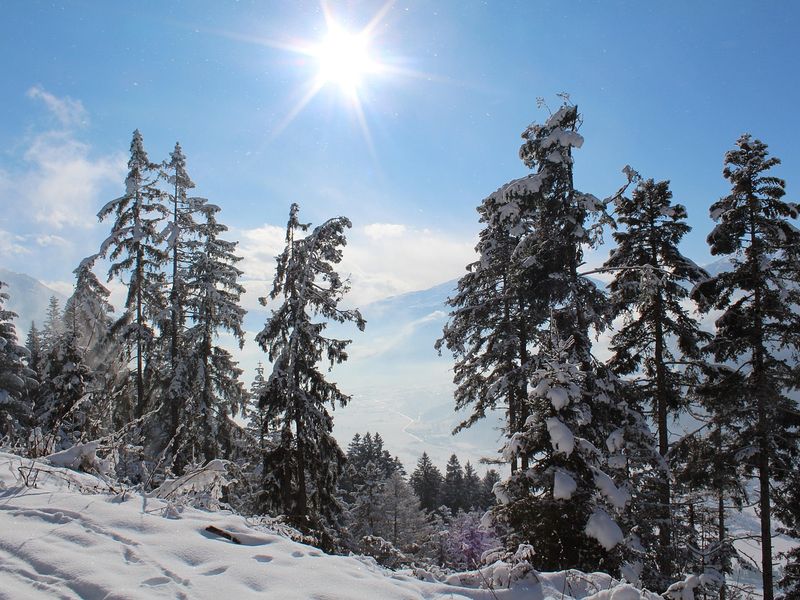
Hotels around Alpbach
Tap the map for prices and availability.
About Alpbach Pride
Alpbach Pride takes place in Alpbach, a small village in the Tyrolean Alps, timed to coincide with the European Forum Alpbach, an international conference that draws politicians, scientists, and students to the village each year. The march itself is organized jointly by IG Wien, a Vienna-based initiative connected to the Forum, together with Club Alpbach Salzburg and the association Heublumen.
IG Wien describes its own outlook as colorful, critical, and European; alongside its role in the Forum, including awarding scholarships to participants, it has used the Pride march to bring queer visibility into a setting otherwise dominated by policy panels and keynote speeches. Each edition has carried its own campaign theme, generally addressing the pressure LGBTQIA+ rights face across Europe, from rising far-right movements to legislative setbacks in individual countries.
What sets Alpbach Pride apart from marches in larger cities is its setting: a walk through a village of a few hundred residents, drawing together Forum delegates, invited speakers, and local people for an afternoon. It has featured guests ranging from government ministers to activists from countries where queer organizing carries real personal risk, turning a mountain village briefly into a stage for a conversation that the rest of the Forum's agenda rarely makes room for.
About Alpbach
Alpbach does not have a Pride of its own in the usual sense. The village does, however, have a Pride tradition that is closely tied to the European Forum Alpbach. Every year in late summer, experts from politics, science and business gather there along with many scholarship holders from all over Europe. During the Forum, the Alpbach Pride takes place, hosted by the Forum Alpbach Network and run by the Vienna initiative group IG Wien.
The Alpbach Pride is a short parade through the village that stands against the exclusion of LGBTQIA+ people and celebrates the diversity of the Forum community. Anyone who turns up can join, and Pride outfits are explicitly welcome. Over several editions the parade has become a fixed date in the Forum programme. The Forum also supports visibility in other ways: participants can add their pronouns to the name badges worn throughout the event.
The region's big Pride takes place in Innsbruck. What used to be known as Christopher Street Day is called Pride Tirol and is organised by the association of the same name, in close cooperation with the Homosexual Initiative Tyrol (HOSI Tirol). The parade is held on a Saturday in summer, starts at the Innsbruck exhibition centre and runs through the city centre. It is part of a whole Pride weekend with a drag reading and drag bingo at the HOSI community centre, a Pride Village at the exhibition centre and an afterparty in the Innsbruck Bögen. Pride Tirol publishes the exact dates on its own website every year.
From the Alpbach valley, Innsbruck can be reached through the Inn valley by train or car. For queer people from the rural communities of the Kufstein district, the Innsbruck Pride is the most important occasion to take to the streets together, visibly and in large numbers.
All year round, HOSI Tirol in Innsbruck is there to help. It offers counselling, transgender counselling, legal advice, a youth group and talks at schools, and it is also the first place to ask about anything related to Pride.
Alpbach Pride – frequently asked questions
From the magazine
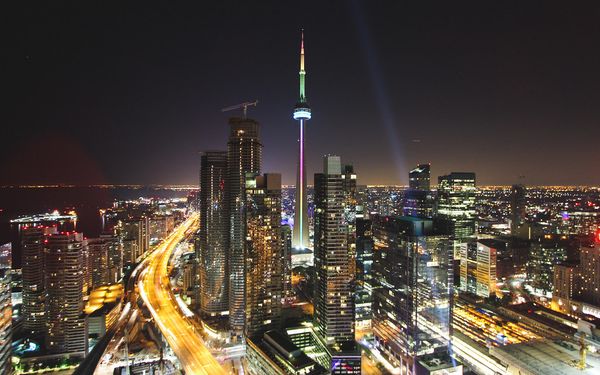
Toronto 1981: The Bathhouse Raids and the Protests Behind Toronto Pride
On 5 February 1981 Toronto police raided four gay bathhouses and arrested close to 300 men. What happened, how the sources count it, and how the protests connect to Toronto Pride.
Reading the ILGA-Europe Rainbow Map: What the Ranking Measures and What It Does Not
Every May ILGA-Europe colours in Europe. How the Rainbow Map is built, what the 2026 edition shows and why it is not a travel guide.
Section 28: Britain's Law Against "Promoting Homosexuality" (1988 to 2003)
Section 28 barred British local authorities from "promoting" homosexuality. What the law said, how it shaped schools, how people protested it and when it was repealed.