
March 2026

April 2026

May 2026

June 2026

Albuquerque Pride 2026

Fresno Pride 2026 / Fresno Rainbow Pride 2026

Memphis Pride 2026 / Midsouth Pride 2026
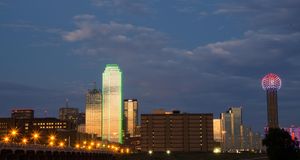
Dallas Pride 2026

Milwaukee Pride 2026 / Milwaukee Pride Parade 2026
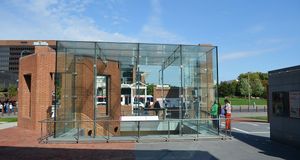
Philadelphia Pride 2026
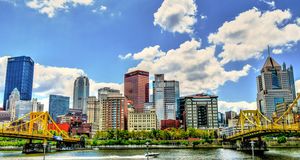
Pittsburgh Pride 2026

Puerto Rico Pride 2026
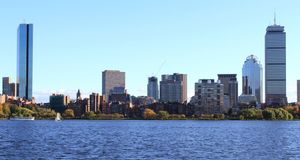
Boston Pride 2026
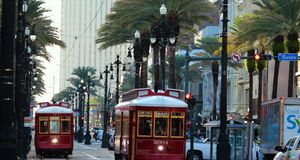
New Orleans Pride 2026

Washington Pride 2026
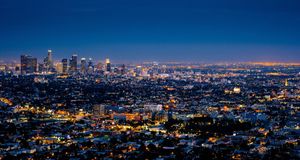
Los Angeles Pride 2026

Sacramento Pride 2026
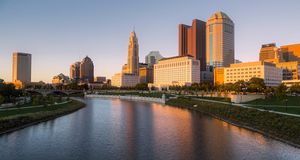
Columbus Pride 2026

Houston Pride 2026
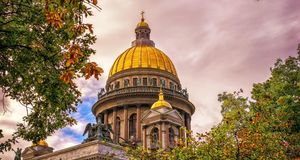
Saint Petersburg Pride 2026 / St Pete Pride 2026
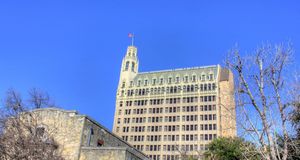
San Antonio Pride 2026
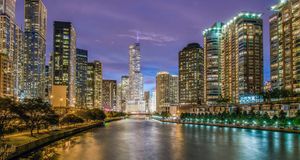
Chicago Pride 2026
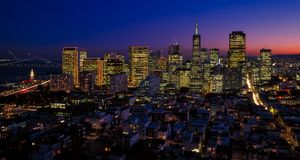
San Francisco Pride 2026
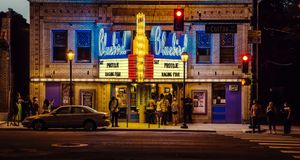
Denver Pride 2026
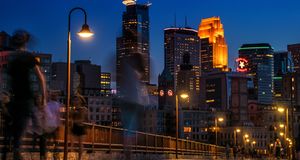
Minneapolis Pride 2026 / The Twin Cities Pride 2026
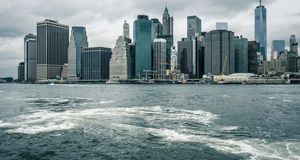
Oklahoma City Pride 2026 / OKC Pride 2026
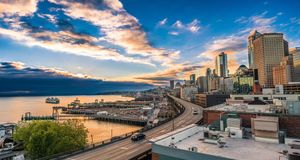
Seattle Pride 2026
July 2026

San Diego Pride 2026

Portland Pride 2026 / Pride Portland 2026
October 2026
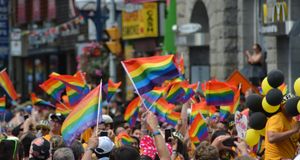
Corpus Christi Pride 2026
Durham Pride 2026

Fort Worth Pride 2026
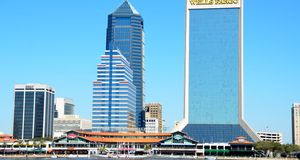
Jacksonville Pride 2026
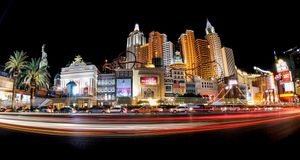
Las Vegas Pride 2026

Santa Ana Pride 2026
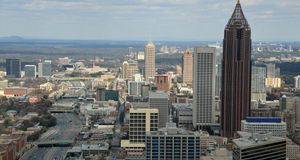
Atlanta Pride 2026

Phoenix Pride 2026 / phxPRIDE 2026

Honolulu Pride 2026

Orlando Pride 2026
Tulsa Pride 2026
November 2026

The Pride movement in the United States traces its roots to pivotal moments of resistance and advocacy for LGBTQ+ rights. The Stonewall Riots of 1969 in New York City ignited the contemporary fight, when patrons of the Stonewall Inn rebelled against a police raid, sparking days of protests that birthed modern Pride celebrations. This event led to the first Pride marches in 1970 in cities like New York, Chicago, Los Angeles, and San Francisco, marking the start of annual commemorations worldwide.
Major Pride events draw millions today. New York City's Pride March, the world's largest, features over 50,000 participants marching through Manhattan, culminating in festive block parties. San Francisco Pride, held in the historic Castro District, boasts massive parades, live music, and community fairs honoring icons like Harvey Milk, the first openly gay elected official in California, assassinated in 1978. Los Angeles Pride and Chicago's event highlight diverse performances, political activism, and corporate sponsorships, blending celebration with calls for equality.
Legal milestones define progress: Massachusetts legalized same-sex marriage in 2004, paving the way for the 2015 Supreme Court ruling in Obergefell v. Hodges, which mandated nationwide marriage equality. The repeal of 'Don't Ask, Don't Tell' in 2010 allowed open military service, and earlier wins included decriminalizing sodomy in 2003 via Lawrence v. Texas. Yet challenges persist, including anti-trans legislation in several states, rising hate crimes, and debates over religious freedoms versus protections.
These events foster visibility and resilience, attracting global visitors. From the rainbow flag's debut in 1978 to ongoing fights for trans rights and against discrimination, U.S. Pride embodies unyielding spirit amid evolving landscapes.