
We also collect information for Pride organisers. Planning a parade truck, a closing party or another Pride event often means dealing with permits, route planning and local requirements.
Articles about Pride events around the world, from the origins of the movement to practical guides for your first Pride. You will find background on the Stonewall Riots, an overview of where the biggest parades take place, and tips for attending with your family.
Pride is often festive, but it is also a way to gather publicly and demand equality. What that means for organisers and visitors.
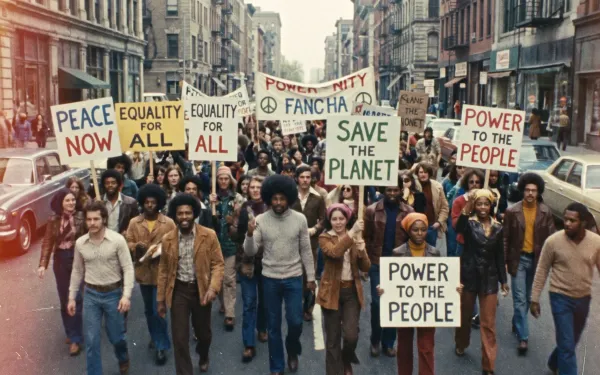
One year after Stonewall, on June 28, 1970, a few thousand people walked up Sixth Avenue in New York behind a banner reading CHRISTOPHER STREET GAY LIBERATION DAY 1970. Here is how that first march became Pride.
On June 30, 1979, about 450 people marched in Berlin for the first time on the anniversary of Stonewall. A look back at the start of Germany's Pride tradition, the fight against Paragraph 175 and the road to a mass demonstration.
A year after Stonewall, homeless trans teenagers in New York had almost nowhere to turn. Marsha P. Johnson and Sylvia Rivera built a shelter for them themselves. This is the story of STAR, and of a fight for a place on the Pride stage that the movement's own organizers tried to deny them.
Since 1993, Dyke Marches have run in cities worldwide without permits, sponsors, or floats. Here's how a march built by and for lesbians became one of Pride season's most enduring traditions.
For more than fifty years, queer Christians, Muslims, and members of other faiths have built their own organizations and marched in their own blocs at Pride. A look at the history, from the first LGBTQ+-affirming church to a stall at Berlin Pride today.
A badge designed to mark and humiliate concentration camp prisoners now shows up on flags, posters, and a San Francisco hillside every Pride weekend. Here's how the pink triangle went from persecution symbol to a symbol of resistance.
A Pride march is usually a legally protected assembly, not just a parade. Here is what that means in practice, from Germany's notification rules to Moscow's hundred-year ban.
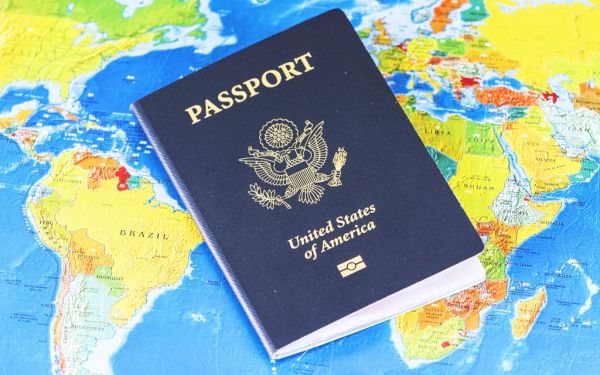
65 UN member states still criminalize consensual same-sex relations, with very different risk levels behind that one number. Here's what changed in the last three years, where the death penalty still applies, and which sources are worth checking before you book.
From full marriage equality to the death penalty, LGBTQ+ rights vary enormously by country. A region-by-region look at where the world stands and what it means for travel.
From the Netherlands in 2001 to Thailand and Liechtenstein in 2025, marriage equality now exists in 38 countries. A look at how it spread and where it stalls.
How a routine 1969 police raid on a Greenwich Village bar sparked six days of resistance and gave birth to the modern LGBTQ+ rights movement and Pride.
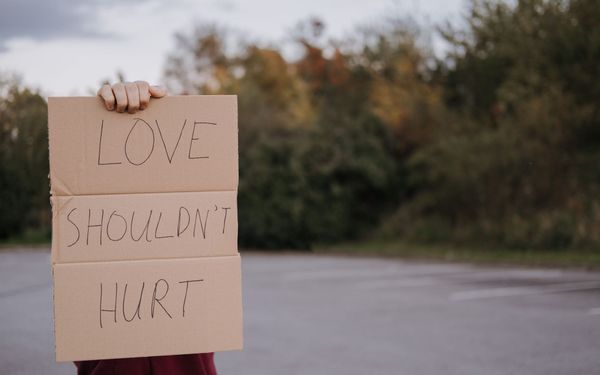
A Pride sign can make a demand visible without blocking other people out. Practical choices about wording, size, photography and shared space make it work better.
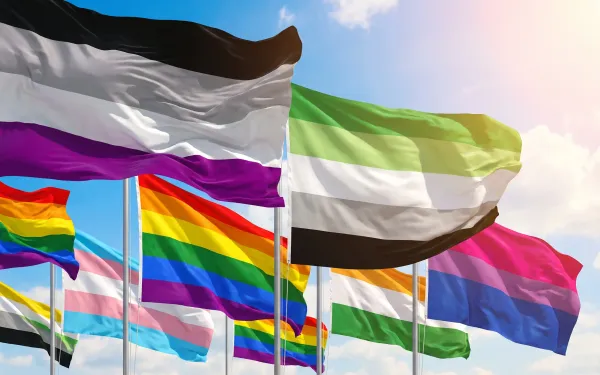
The A in LGBTQIA+ stands for asexual, aromantic and agender, not ally. What these orientations mean, where they differ, and why their visibility at Pride matters.
"I Will Survive," "I'm Coming Out," "Born This Way" turn up at nearly every Pride event. The stories behind how these songs became anthems say a lot about the community that adopted them.
June didn't become Pride Month by consensus. It became Pride Month because one president signed a piece of paper in 1999, another let eight years pass without one, and the ones who came after kept making, or refusing to make, the same choice. Here's how the federal recognition actually happened, administration by administration.
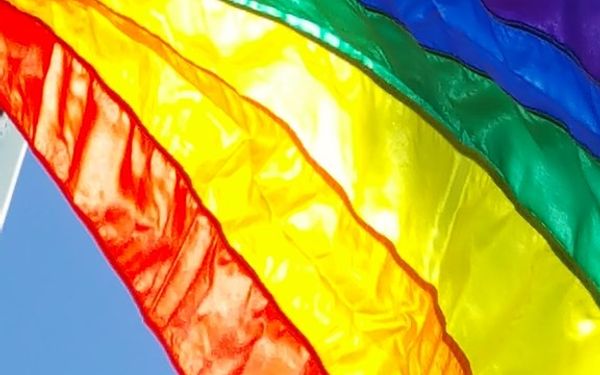
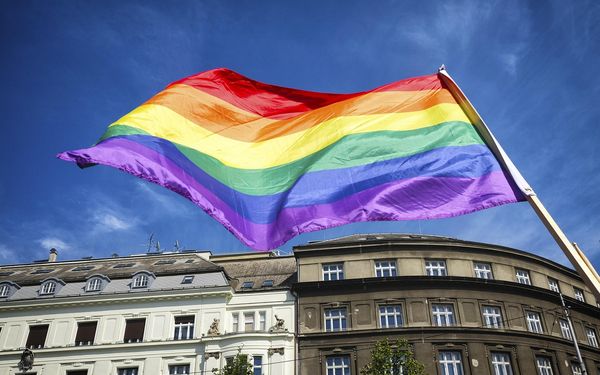
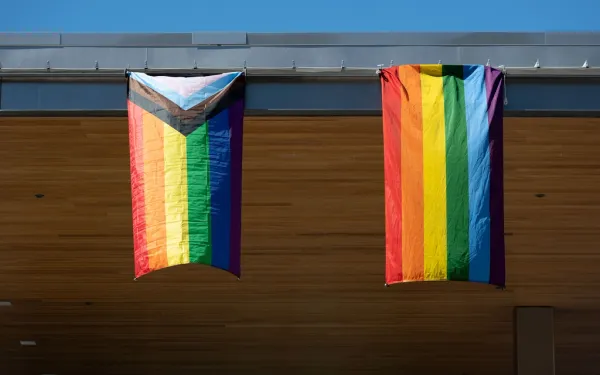
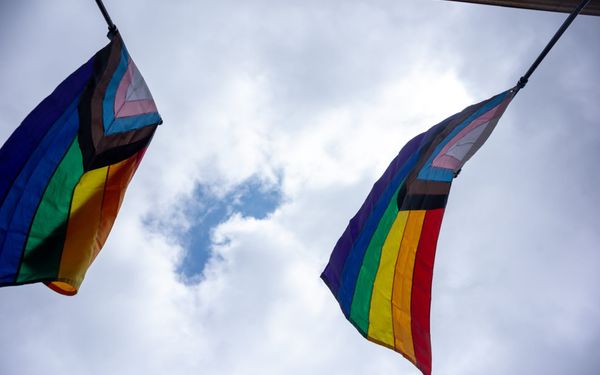
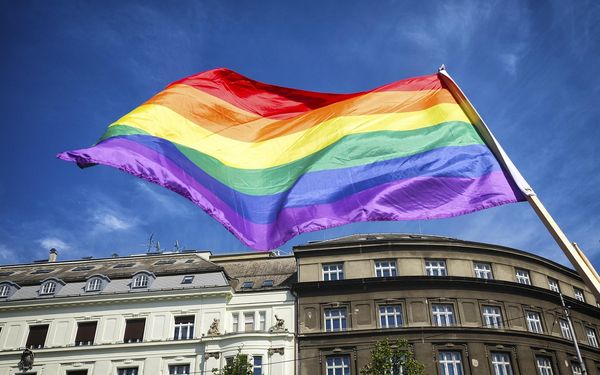
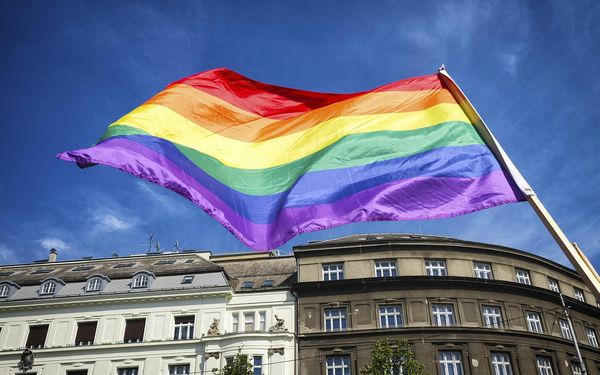
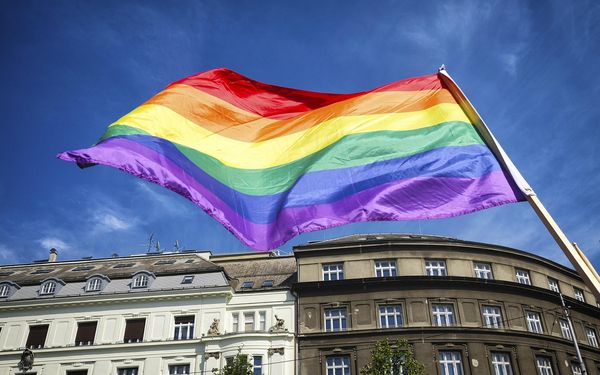
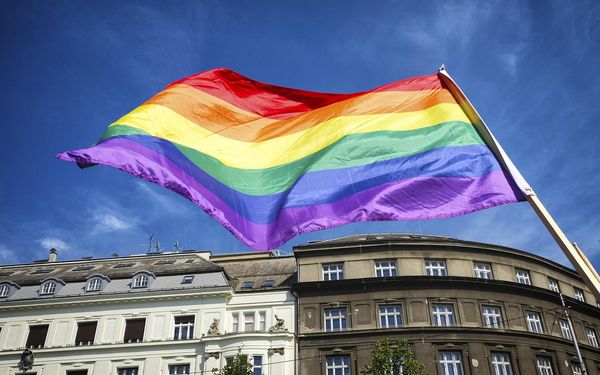
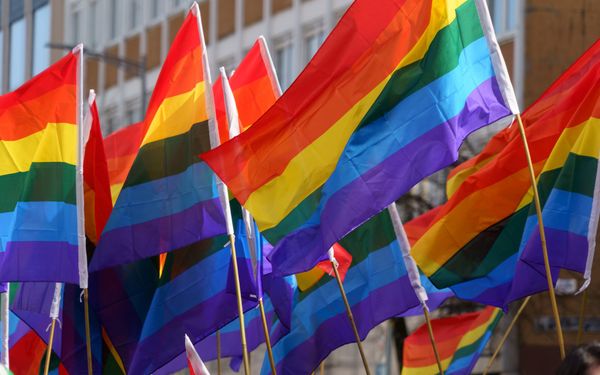
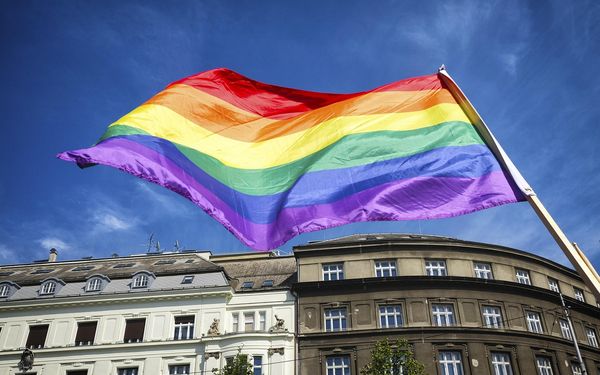
Every Pride parade today flies more than rainbow fabric. Here's the history behind the rainbow flag, the Progress flag, and the identity flags for trans, bi, non-binary, asexual and lesbian communities.
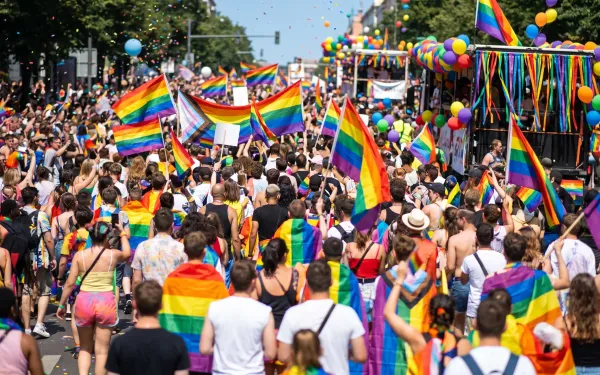
From São Paulo's record-breaking millions to Amsterdam's floating Canal Parade, here are the largest Pride parades in the world – and how those huge crowd figures are actually counted.
There is no WorldPride in 2027 – the next edition is Cape Town 2028. EuroPride goes to Turin instead. Every host city since 2000.
EuroPride 2027 takes place in Turin, after Amsterdam in 2026. Every host city of the EPOA edition at a glance.
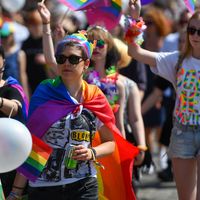
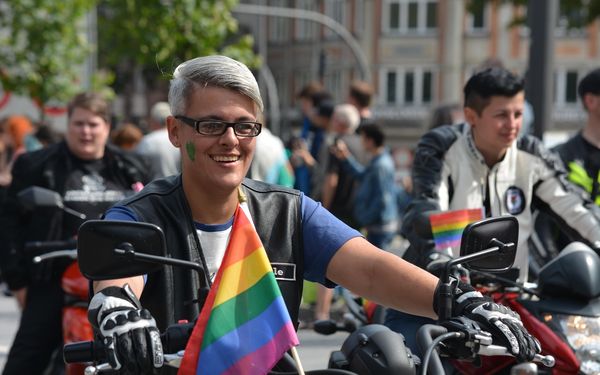
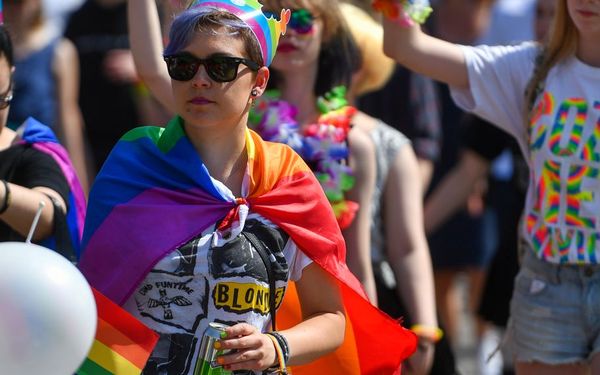
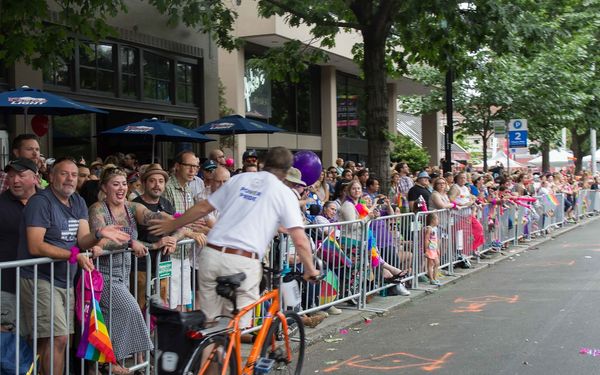
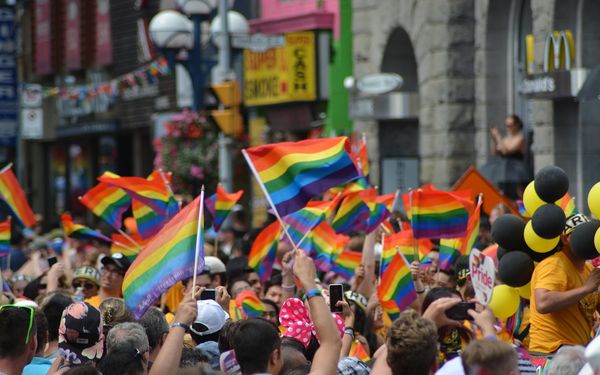
A Pride parade is a public celebration of LGBTQ+ identity and a demonstration for equal rights, born from the 1969 Stonewall uprising. Here's what it is, what happens on the day, and why it still matters.
For people who fled persecution because of who they are, Pride can be the first place where living openly feels safe. This guide covers the background, the support landscape and what organizers and fellow marchers can do to make the welcome real.
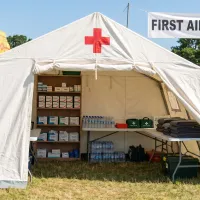
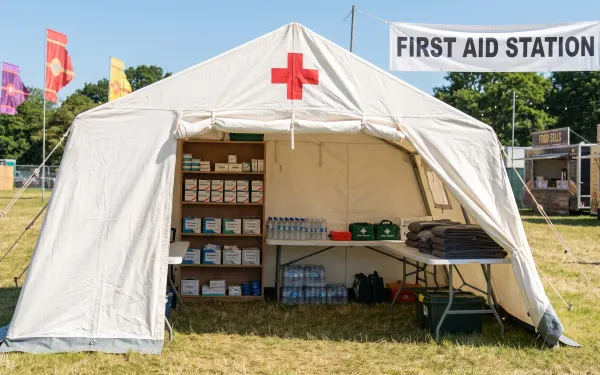
Pride is a long, hot, crowded day. Most incidents stay minor — if organizers provide proper medical cover and attendees know when to ask for help. A practical guide to preparation, heat illness and dense crowds.
A rainbow logo in June says little about what a company does the other eleven months. Here's how to read corporate Pride sponsorship with a critical eye, and why that skill matters more since 2025.
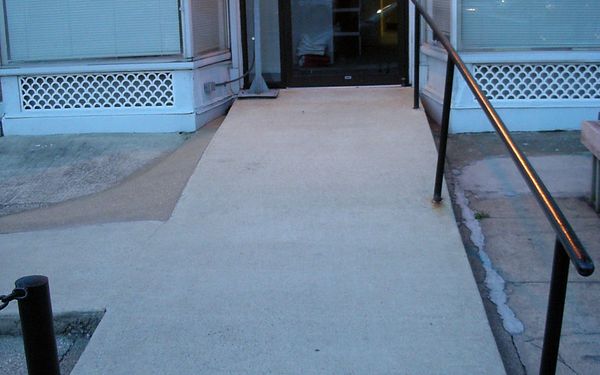
Cobblestones, packed crowds, nowhere to sit: Pride isn't automatically accessible just because it wants to be. Here's how San Diego, Berlin, Frankfurt, and Cologne handle wheelchair viewing, ASL interpretation, and sensory relief, and how to prepare before you go.
Corporate sponsors pulled back sharply from Pride events in 2025, leaving organizers from San Francisco to Berlin scrambling to close budget gaps. Here's how Pride funding actually works, and how organizations are adapting.
As bans, crackdowns, and disruption threats reshape Pride season worldwide, a safety plan has stopped being optional. What it should cover, who signs off on it, and how small teams pull it off on a tight budget.
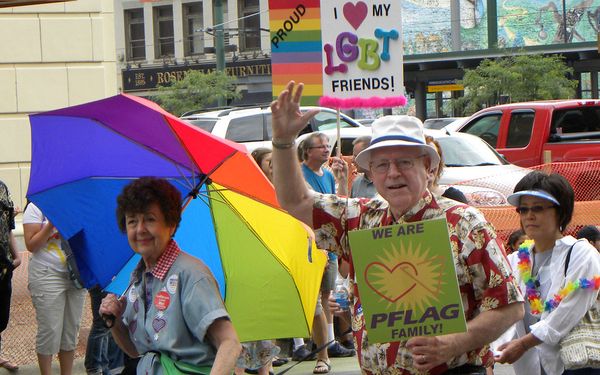
You don't have to be LGBTQ+ to belong at Pride. Here is how to show up as a thoughtful ally, avoid common missteps, and keep that support going the other 364 days.
Taking your kids to Pride? Here is how to find family-friendly zones, what to pack, and how to make the day relaxed and fun for the whole family.
Your first Pride can be joyful and a little overwhelming. Here's what to expect, what to pack and how to enjoy the day, whether you're celebrating or showing up as an ally.
We also collect information for Pride organisers. Planning a parade truck, a closing party or another Pride event often means dealing with permits, route planning and local requirements.