Ask who started Pride and you usually hear names from June 1969: Marsha P. Johnson, Sylvia Rivera, the regulars at the Stonewall Inn. The uprising was the spark. That a memorial march followed every year was down to people who organised it. One of them was Brenda Howard, a New York activist sometimes called the Mother of Pride. Her work is documented, her title is debated. Both belong to the story.
Who Brenda Howard was
Brenda Howard was born in New York on 24 December 1946 and died in the same city on 28 June 2005 of colon cancer. She trained in nursing, opposed the Vietnam War in the late 1960s and later became active in the feminist movement. After Stonewall she joined the Gay Liberation Front, a group formed after the 1969 uprising, and for years chaired the Speakers Bureau of the Gay Activists Alliance. She was also part of the Coalition for Lesbian and Gay Rights, which helped steer a New York City anti-discrimination law through the City Council in 1986. She is counted among the early activists for bisexual rights in the United States.
1970: from a day of remembrance to a week
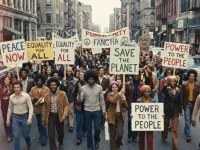
On 28 June 1970, the first anniversary of the Stonewall uprising, New York held the first Christopher Street Liberation Day, a march through Manhattan. The Legacy Project Chicago, a documentation project on queer history, credits Howard with the idea of building a whole week of events around the anniversary. That idea is seen as the origin of the annual Pride celebrations held worldwide today. According to the same source she is also among those who popularised the word Pride for such celebrations, together with Robert A. Martin and L. Craig Schoonmaker.
That is an important distinction: Howard is not named as the inventor of the word Pride, but as one of the people who spread it. With others, she helped turn a one-off commemoration into an annual festival with a programme. That is what turned a protest into a tradition. The word itself set a deliberate counterweight against the shame many queer people were taught at the time.
The title and its limits
The label Mother of Pride appears in tributes, including at the Legacy Project Chicago. The same page points to an article describing the title as disputed: early members of the Gay Liberation Front rate Howard's importance lower. The sources only hint at this debate and do not settle it. What is clear is that the title is an attribution, not a certificate.
For anyone writing or talking about Pride, that means marking the title as an attribution and not treating it as fact. This is not hair-splitting. Movement history is often told by people who were there and remember, and memories compete. It helps to ask who first made a claim, whether contemporary evidence exists and whether participants disagree. A title that many people repeat is not confirmed by repetition.
Why she is remembered anyway
There are at least three reasons that hold regardless of the title.
- The week idea. A demonstration became a programme: talks, parties, culture. Many Pride events today still run for several days or weeks with a supporting programme.
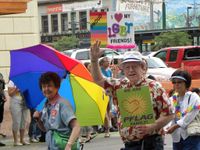
- Bisexual visibility. Howard was one of the first openly bisexual activists. According to Wikipedia, the Brenda Howard Memorial Award, created in 2005 by the Queens chapter of PFLAG, was the first award from a major American LGBT organisation named after an openly bisexual person.
- Organising work. Marches do not happen on enthusiasm alone. Someone has to apply for permits, find marshals, invite speakers and bring groups together. People like Howard did that.
What this means for Pride today
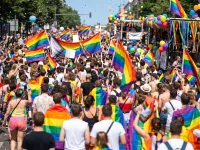
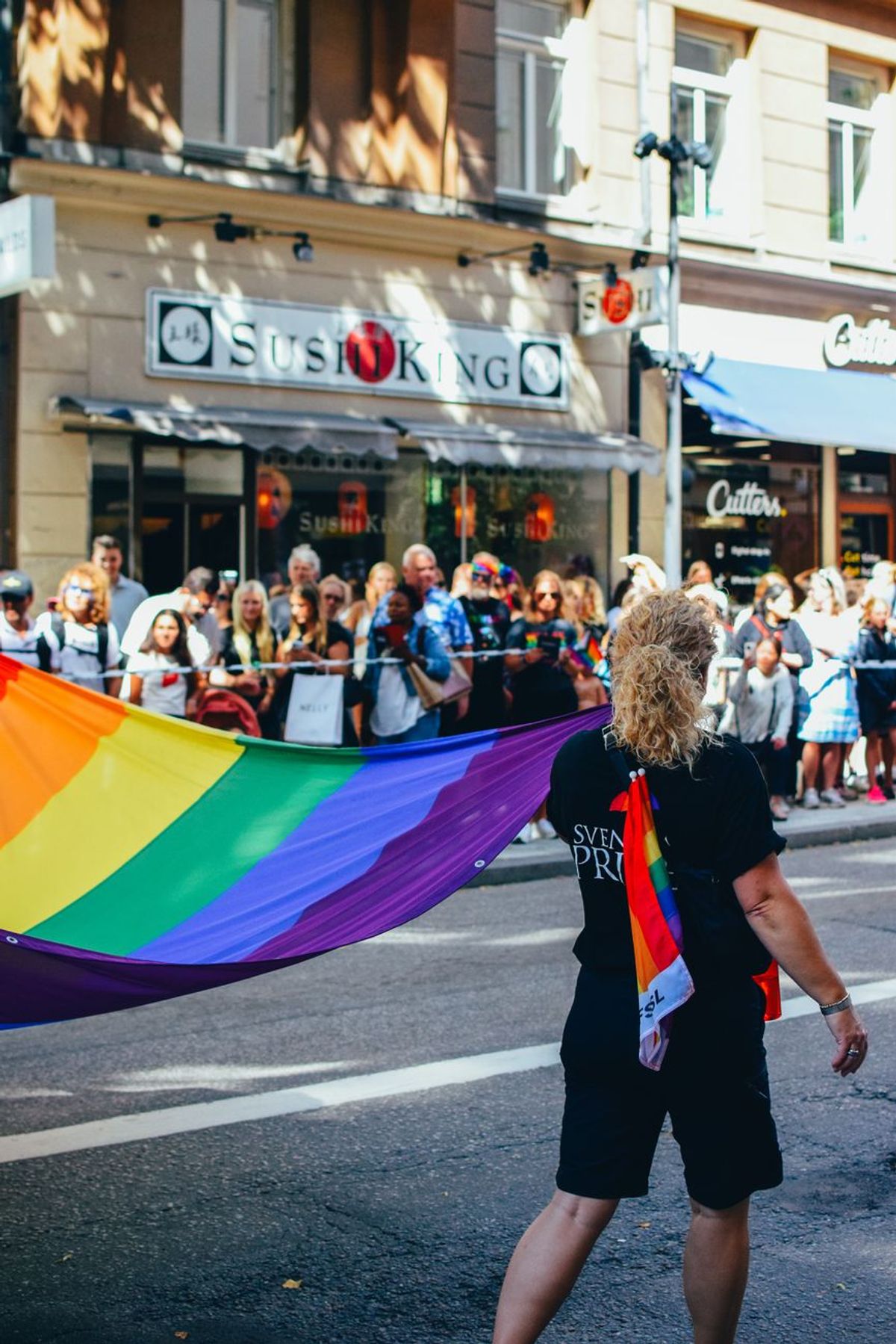
Today's Pride events follow this tradition. The march that started as Christopher Street Liberation Day is named after the street where the Stonewall Inn stands. Anyone joining a parade now stands in a line with the organisers of those first years, even if many of them are little known. That is a reason to read accounts of history closely: whose names are missing, and why?
Sources and limits
If you want to read further, Howard's biography is on English Wikipedia and at the Legacy Project Chicago. Both are secondary sources. Reliable statements about her role on the 1970 organising committee would need contemporary documents and eyewitness accounts, which were not reviewed here. Information as of 30 October 2026.
Frequently asked questions
Sources
- legacyprojectchicago.org · 163
- en.wikipedia.org · Brenda_Howard