A year after Stonewall, homeless trans teenagers in New York had almost nowhere to turn. Marsha P. Johnson and Sylvia Rivera built a shelter for them themselves. This is the story of STAR, and of a fight for a place on the Pride stage that the movement's own organizers tried to deny them.
Most accounts of early Pride history stop at the Stonewall uprising in June 1969. What happened the following year gets less attention: two women who had been at Stonewall themselves started an organization built around the people the young gay and lesbian movement kept sidelining, homeless trans teenagers and sex workers.
A sit-in that turned into an organization
On September 20, 1970, several radical gay and lesbian groups occupied Weinstein Hall at New York University after the school canceled a planned queer dance. Out of that sit-in came the idea for Street Transvestite Action Revolutionaries, or STAR. Marsha P. Johnson and Sylvia Rivera, both veterans of the Stonewall riots, founded the group shortly after, at a time when the word "transgender" was not yet in common use and "transvestite" was how many trans people in the scene described themselves.
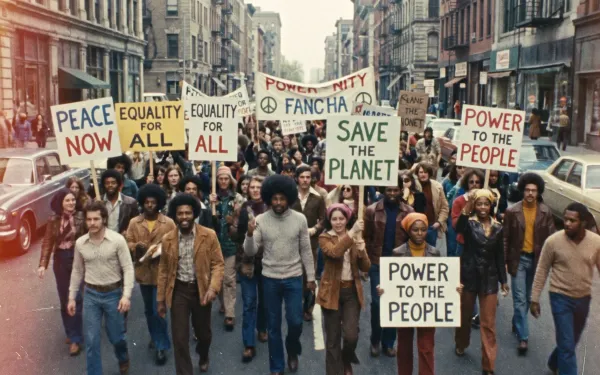
STAR's demands sound basic today: free clothing, education, food, healthcare, housing, transportation, and legal protection against discrimination for trans people. At the time, none of that was guaranteed, and the broader gay rights movement was drifting toward respectability politics that left its most visible and vulnerable members behind.
STAR House
In November 1970, Johnson and Rivera opened STAR House on East 2nd Street in Manhattan's East Village. It started in the back of a parked truck before the group moved into a rundown building. Up to 25 homeless trans teenagers lived there at a time, fed and housed by Johnson and Rivera themselves. The $200 monthly rent came largely from begging and sex work, since few other jobs were open to them. The house shut down in July 1971 after eight months, once the group could no longer cover the rent.
Brief as it was, STAR House is considered one of the first shelters of its kind in the country: a mutual aid project built by trans people for trans people, years before social services agencies had a name for trans homelessness.
The 1973 break
The distance between STAR's founders and a gay rights movement increasingly focused on mainstream acceptance became clear at the 1973 Christopher Street Liberation Day rally, the event that grew into today's New York Pride march. Rivera had to fight organizers who wanted trans women and drag queens kept out of the spotlight just to get on stage. Her speech that day, reminding the crowd of the trans people sitting in jail while the movement debated who counted as presentable, is now seen as one of the defining moments of early trans visibility at a Pride event. Afterward, Rivera stepped back from organized activism for years.
What came after
STAR as an organization dissolved in 1973. The idea did not die with it. Around 2000, spurred in part by the murder of trans woman Amanda Milan in New York, Rivera revived the work under the name Street Transgender Action Revolutionaries. Johnson died in 1992 and Rivera in 2002, but their work continues through groups like the Sylvia Rivera Law Project, which represents low income trans and gender nonconforming people, and the Marsha P. Johnson Institute. The Museum of the City of New York devoted a 2019 exhibition to STAR's history.
At a time when trans visibility at Pride is often taken for granted, it is worth remembering where the first real support for homeless trans youth came from. Not from established charities, but from two women who barely had housing themselves, and who had to fight to be heard even inside their own movement.
Frequently asked questions
Sources
- en.wikipedia.org · Street_Transvestite_Action_Revolutionaries
- womenshistory.org · marsha-p-johnson
- womenshistory.org · sylvia-rivera
- taggmagazine.com · lgbtq-history-14-s-t-r-founded-marsha-p-johnson-sylvia-river...
Last reviewed: 30. August 2026