Pride is often festive, but it is also a way to gather publicly and demand equality. What that means for organisers and visitors.
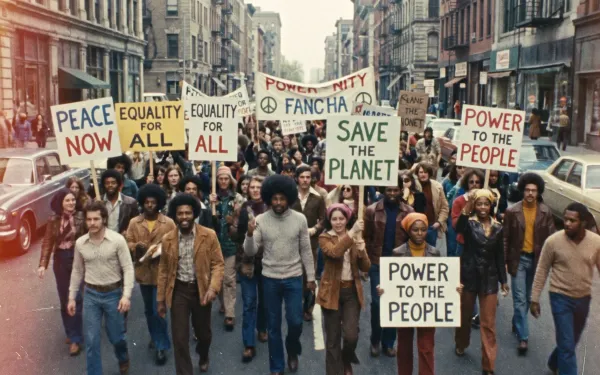
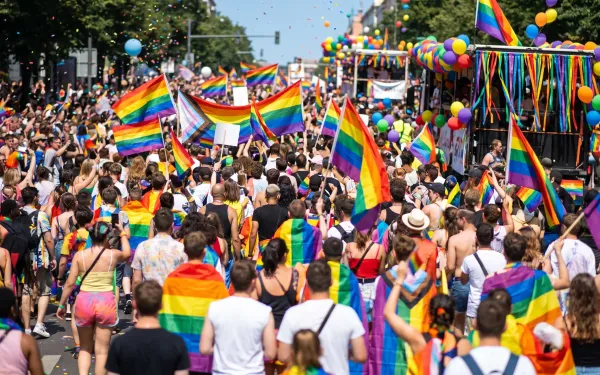
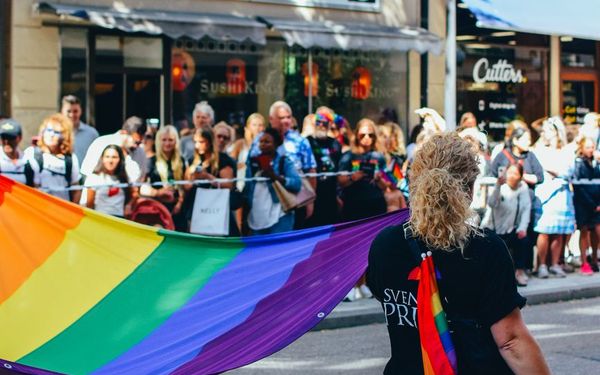
Pride can look very different from one city to the next. There may be a march, a rally, a stage programme, a quiet vigil, or a gathering in a place where public visibility takes courage. The shared point is easy to miss when Pride is reduced to a colourful annual event: people are meeting in public to express who they are, what they need, and what they will not accept.
That makes Pride part of the right to peaceful assembly. The United Nations human rights office describes this right as protecting non-violent gatherings in public and private spaces, indoors, outdoors and online. It includes demonstrations, meetings and rallies. It applies to everyone, including children and non-citizens. For groups that are pushed to the margins, the ability to gather can be especially important.
A permit is not the whole story
Local rules for demonstrations differ, and organisers often have to register a route, speak with authorities, arrange stewards and consider accessibility. Those practical steps do not turn a Pride into a request for permission to exist. International human-rights standards say that restrictions on peaceful assembly must have a legal basis, be necessary and proportionate, and must not discriminate.
That distinction matters when the content of a march is the reason for objections. The Human Rights Committee has stated that restrictions should in principle be content-neutral. Disapproval of sexual orientation or gender identity is not a legitimate reason to push a peaceful gathering away from public space. A city can take reasonable steps to manage traffic or safety. It should also help make the gathering possible and protect participants from violence and intimidation.
The reality is uneven. Amnesty International documents Pride restrictions and policing in several countries. A ban, an intimidating police presence or surveillance can change who is able to attend, even where an event still takes place. This is why a simple list of dates and venues is not always enough context for a Pride guide.
Pride includes more than the parade route
A march is only one form of assembly. Some Prides focus on political speeches or memorial work. Others build a programme around community groups, family activities, art or mutual aid. Many combine all of these. There is no single correct format, and a large crowd is not the measure of whether a Pride matters.
The people who organise it also make choices that visitors may not see. They consider a meeting point, how to share safety information, whether the route works for wheelchair users, how to handle counter-protests and where people can get support. A good event page usually names the organiser and offers a way to contact them. If the information is thin, it is better to ask than to rely on old posts or a map pin.
How to take part with care
Before you go, check the organiser’s current information. Routes and starting times can change at short notice. Read any guidance about bags, photos, banners, weather or accessible viewing areas. If you are travelling, consider what information you want to share publicly and whether you have a plan for getting home.
Photography deserves particular care. A Pride is public, but being visible in a crowd can still have consequences for someone’s family, work or safety. Ask before taking close portraits. Do not post a recognisable image of another person simply because it was taken at a public event. Organisers may set their own photo rules, especially around youth areas, support services or designated safer spaces.
If you witness harassment or violence, follow the event’s safety instructions and seek help from stewards or emergency services where appropriate. Do not assume another visitor wants you to intervene physically. Sometimes the useful first step is asking what they need, staying with them, or helping them reach the awareness team.
Why the political history remains present
Celebration and protest are not opposites. Music, joy and community can be part of a public answer to shame and exclusion. They do not erase the fact that many Pride events were built through organising, legal challenges and people taking risks to be seen.
That history is also a reason to resist a narrow idea of who Pride is for. A march can make room for people who come to celebrate, people who need practical information, and people who want to make a demand. The event does not have to choose one of those roles. Its political meaning comes from the people gathering on their own terms.
Frequently asked questions
Is a Pride march a political demonstration?
It can be both a celebration and a political assembly. Its exact legal status depends on local law and the event format.
Can authorities limit a Pride?
Authorities may regulate peaceful assemblies under certain conditions, but international standards require legal, necessary, proportionate and non-discriminatory limits.
Should I photograph people at Pride?
Ask before taking identifiable portraits and check the organiser’s photo policy. Public space does not remove the need for consideration.
What should I check before attending?
Use the organiser’s current channels for the time, route, access information, safety advice and any rules for bags or photos.
Frequently asked questions
Last reviewed: 25. September 2026