On 26 June 1977, several thousand people marched without permission up La Rambla in Barcelona and demanded the end of a law that criminalised homosexuality. What happened and what came of it.
On 26 June 1977, several thousand people walked up La Rambla in Barcelona and demanded the end of a law that criminalised them. It was the first demonstration for queer rights in Spain, held only days after the first free elections since the start of the Franco dictatorship. If you want to understand why Pride in Spain is still political, this is the place to start.
Spain before 1977
Under Franco, homosexuality was treated as a danger to society. The key instrument was the Ley de Peligrosidad y Rehabilitación Social, the Law on Social Dangerousness and Rehabilitation, which allowed people to be imprisoned because of their sexual orientation. According to accounts from the period, it hit gay men and trans people above all. Some sources date the law to 1970, others point to earlier forerunners, the so-called vagrancy law. What is documented is that the law was in force and applied in 1977.
Eight years after the Stonewall riots in New York, a movement had formed. In Catalonia, activists organised as the Front d'Alliberament Gai de Catalunya (FAGC), the Gay Liberation Front of Catalonia. It was still working underground.
The march on La Rambla
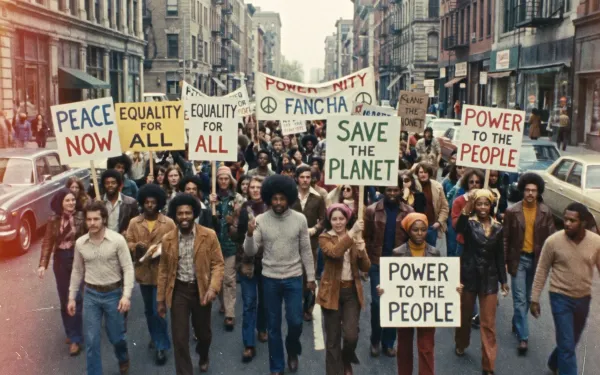
A few days after the general election of 15 June 1977, the FAGC called a demonstration for 26 June, without permission from the authorities. According to the association Amics de la Rambla, the march began at the Drassanes, the medieval shipyards at the lower end of La Rambla, and moved up the boulevard. Just before the Canaletes fountain, police broke it up by force.
Reports still disagree on the turnout. Figures range from about 4,000 to more than 5,000. Support came from the women's movement, neighbourhood groups, unions, students and political parties. Heterosexual people who opposed Franco and repression marched too.
Slogans included "We are not afraid, we are" and "We are not dangerous!" The main slogan read: "For a free sexuality, repeal of the Law on Social Dangerousness and Rehabilitation". The marchers also demanded amnesty for imprisoned activists and legal recognition for the FAGC.
What happened next
Police acted harshly. Three protesters were injured by rubber bullets, and one man, Oriol Martí, was arrested and spent 52 days in prison. Witnesses say the violence mainly targeted trans and transvestite people. Catalan News reports that Martí was beaten and sexually assaulted in custody; that rests on a single source, so read it as a lead, not as established fact.
The pressure worked. In 1978, according to reports, similar rallies took place in Madrid, Bilbao and Seville; the sources give no exact dates. A timeline from the Universitat Autònoma de Barcelona dates the repeal of the Social Dangerousness Law to 1979, on the grounds that it was incompatible with democracy. The sources differ on exactly what was removed and when. The pattern is still clear: first the street, then the law.
Spain kept going. In 1998, Catalan registry offices were the first in the country to recognise partnerships, at first without legal effect. In 2005, Spain became the third country in the world to open marriage and adoption to same-sex couples nationwide.
Remembering it in Barcelona
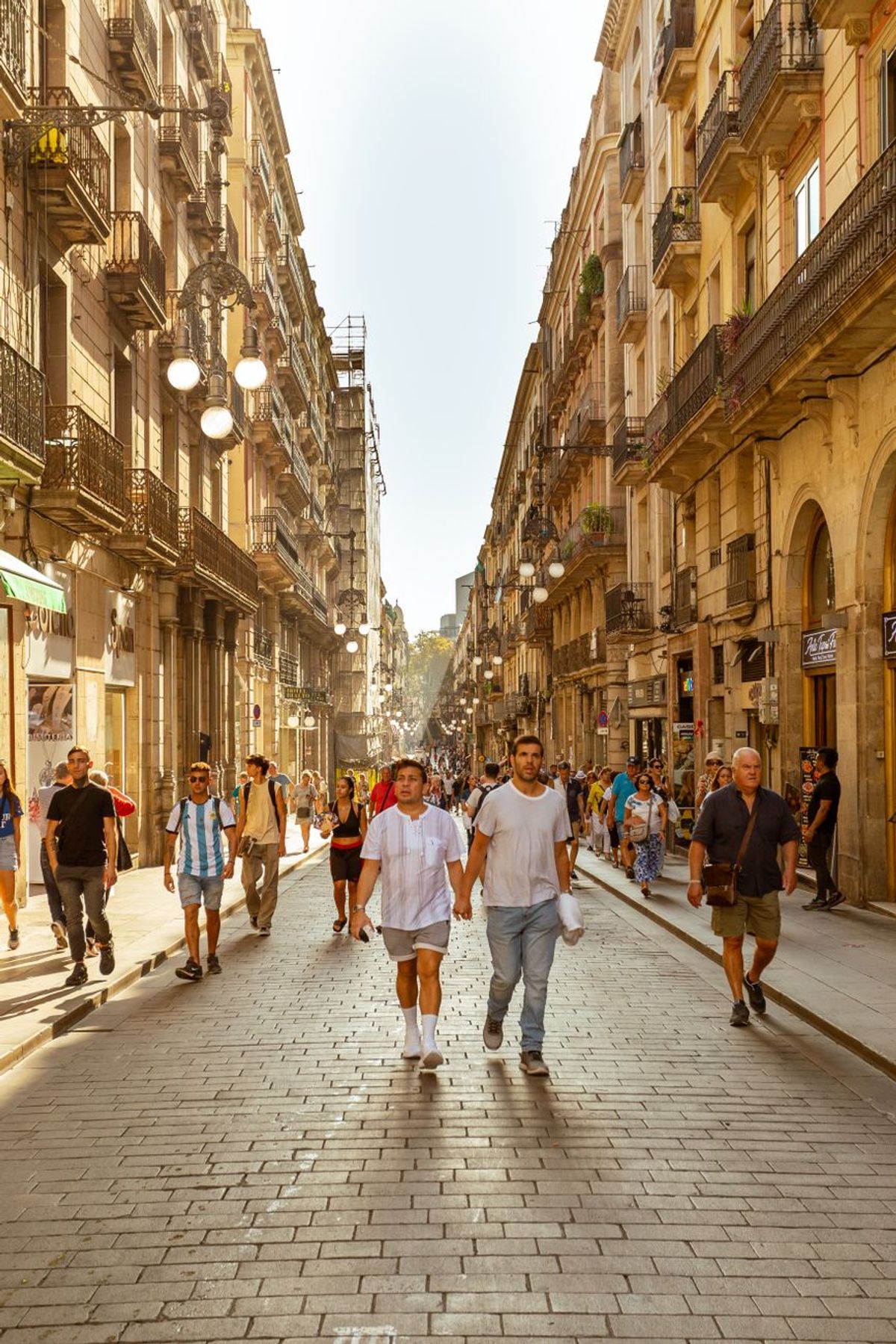
If you want to walk the route, look near Rambla Santa Mònica. The Faristol stands there, a memorial point for the history of the movement (08002 Barcelona). Barcelona also marks the demonstration with an information panel on La Rambla.
Why it matters now
When you walk in a Pride this summer, you walk in a tradition that often began with marches like this one. The difference from Barcelona in 1977 is that assembly is now legally protected in Spain and in much of Europe. The march shows that this was not a given. It also reminds us who the violence hit hardest at the time: according to witnesses, mostly trans people.
For the 49th anniversary in 2026, Euronews published a look back at the first demonstration; it makes a good next read.
Information as of October 2026.
Frequently asked questions
Sources
- amicsdelarambla.cat · faristol-at-the-first-demonstration-in-favor-of-sexual-liber...
- catalannews.com · a-history-of-catalonia-s-lgbt-movement
- ddd.uab.cat · Linea_cronologica_LGTBI_2023
- elsaltodiario.com · historia-primer-orgullo-de-1977-barcelona
- euronews.com · after-49-years-of-struggle-spain-leads-lgbtiq-inclusion-insi...
Last reviewed: 23. October 2026