Taking your kids to Pride? Here is how to find family-friendly zones, what to pack, and how to make the day relaxed and fun for the whole family.
Pride events are for everyone, and that absolutely includes families with children. Plenty of Pride organisations now plan deliberately for prams, toddlers and curious ten-year-olds, because visibility and acceptance start at home. Bringing your kids along can be a warm, formative day out, and with a little preparation it usually goes smoother than nervous parents expect.
Why Bring Children to Pride?
For children growing up in LGBTQ+ families, Pride is a chance to see their own household reflected in a crowd of thousands. The message lands without anyone having to spell it out: their family is normal, loved and worth celebrating. Children from any background take something away too, whether that is a first lesson in standing up for fairness or simply a fun afternoon among kind, colourful strangers.
Some parents hesitate, unsure whether the day is "appropriate." It helps to know what a parade actually looks like. The bulk of any Pride march is community groups, charities, sports clubs, faith organisations, trade unions, local businesses and ordinary people walking for equal rights. At its root it remains a peaceful protest with a party attached. If you are weighing up your very first visit, our practical guide to your first Pride walks through what to expect on the day.
Family-Friendly Pride Events and Zones
A growing number of cities run dedicated family programming alongside the main parade. These spaces are typically alcohol-free, calmer and built around younger attention spans. Common formats include:
- Family zones: Designated areas with face painting, arts and crafts, storytelling, games and children's entertainers. Brighton & Hove Pride, for example, runs a Family Diversity Area at Preston Park with face painting, circus workshops, a kids' disco and giant board games in a safe, alcohol-free setting.
- Family marches: Some cities organise a separate, slower-paced family walk earlier in the day, ahead of the louder afternoon crowds.
- Pride picnics and park events: Outdoor gatherings that trade the noise of the main route for grass, shade and room to roam.
Cities such as Amsterdam, London, Brighton, Cologne and San Francisco are well known for this kind of programming. Before you travel, check the official Pride website for the city you are visiting, since family areas often have their own opening times and entrances. The worldwide Pride calendar is a good starting point for finding dates near you.
Practical Tips for the Day
A bit of planning saves a lot of grumbling. Keep it simple:
- Pick your spot carefully. Stand along the parade route rather than at the main stage, which gets the densest crowds and the heaviest sound. A small folding stool gives short legs a view.
- Mind the timing. The opening of a parade leans formal and political, which often suits younger children better. As the day wears on, the mood shifts toward party.
- Bring snacks and water. Food queues get long, and a hungry child has opinions.
- Pack ear protection. Floats with sound systems are seriously loud up close. Ear defenders or child earplugs are worth the bag space.
- Talk it through first. Explain Pride in plain, age-appropriate terms. Kids tend to accept the basics quickly, then move on to asking where the ice cream is.
- Have a meeting point. Crowds swallow people fast. Agree on a landmark to regroup at, and write your phone number on your child's arm or a wristband.
Children pick up on how adults behave around them. A relaxed, curious parent tends to raise a relaxed, curious kid, and Pride gives them plenty to be curious about. If you want to model that spirit further, our notes on being a good ally at Pride are easy to share with older children.
Rainbow Families at Pride
For LGBTQ+ parents, the day can carry real emotional weight. Marching past crowds who cheer rather than judge is its own kind of affirmation. Many Prides feature rainbow family blocs you can join, so you are walking with other parents and kids instead of going it alone.
If you would like to connect before the event, networks exist to help. NELFA, the Network of European LGBTIQ* Families Associations, has linked rainbow-family groups across Europe since 2009 and can point you toward members in your country. In the United States, organisations such as Rainbow Families and Family Equality run support groups and community events year-round, not just during Pride season.
Helping Kids Understand What They See
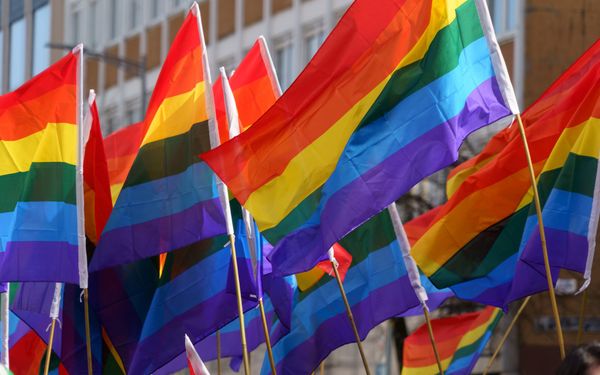
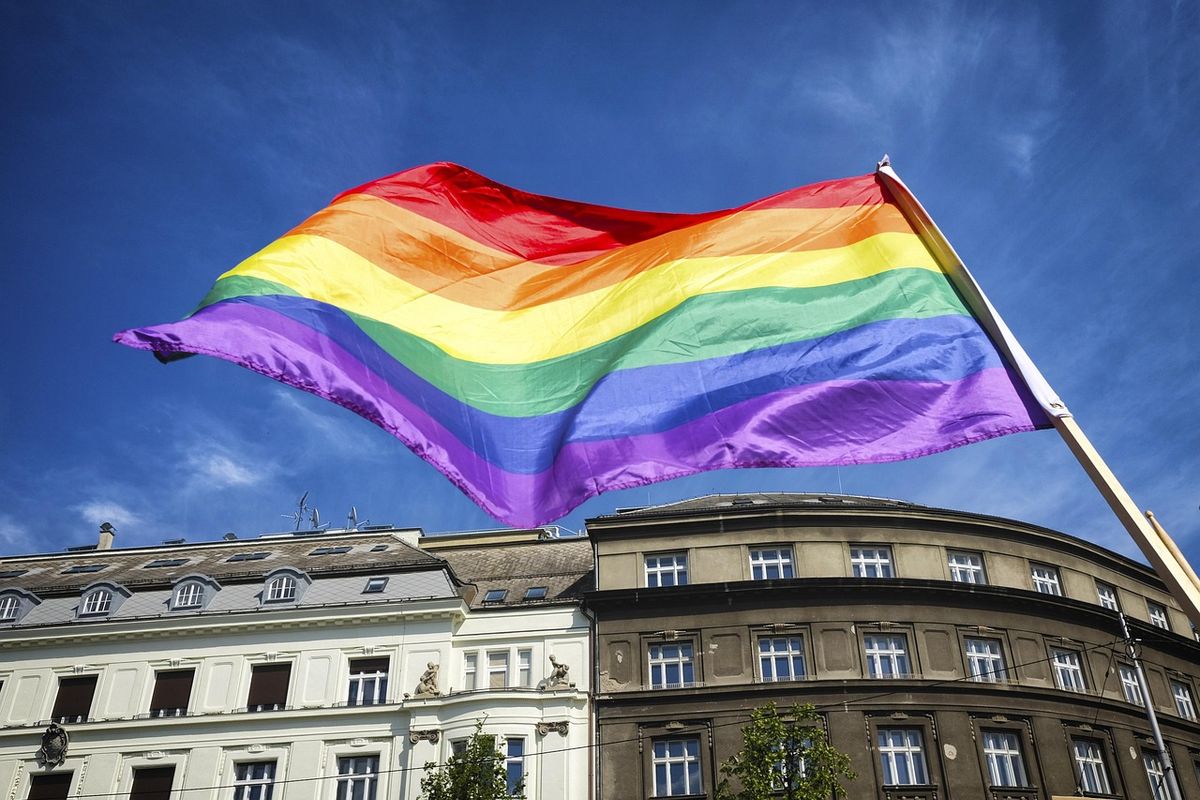
Questions are part of the day, and honest answers beat awkward silences. When a child asks why two women are holding hands, "because they love each other, like Mum and Dad" is usually all that is needed. The history matters too. Older children can grasp that Pride began as a protest, and a short version of the Stonewall riots gives the celebration its context. Younger ones rarely need that much; for them, a friendly crowd and a rainbow flag tend to speak for themselves.
Frequently asked questions
Last reviewed: 25. June 2026