How a routine 1969 police raid on a Greenwich Village bar sparked six days of resistance and gave birth to the modern LGBTQ+ rights movement and Pride.
Around 1:20 in the morning on June 28, 1969, eight officers from the NYPD's Public Morals Squad walked into the Stonewall Inn on Christopher Street, in the heart of Greenwich Village. Raids like this one were ordinary business in 1960s New York. This time the patrons refused to play along, and the next six days turned a back-room bar into the birthplace of the modern movement for LGBTQ+ rights.
Life Before Stonewall
To grasp why Stonewall mattered, you have to picture how narrow life was for queer people in mid-century America. Homosexuality was classified as a mental disorder by the American Psychiatric Association. People could be arrested, fired, denied housing, or committed to psychiatric institutions simply for being who they were. Sodomy was a crime in every state except Illinois, which had quietly decriminalized it in 1962.
The bars were no refuge either. After Prohibition ended, the New York State Liquor Authority refused licenses to any establishment that served "disorderly" patrons, and the mere presence of gay customers counted as disorderly. That left a gap the Mafia was happy to fill. The Genovese crime family ran the Stonewall Inn as a members-only "bottle club" with no liquor license, watered-down drinks, and no running water behind the bar. Police raids were frequent and humiliating: officers checked IDs, arrested anyone whose clothing didn't match their assigned gender, and sometimes published the names of those arrested in the newspaper, which could end a career overnight.
The Night of June 28, 1969
The Stonewall drew some of the most vulnerable people in the community: homeless youth, drag queens, transgender people, sex workers, and people of color who had nowhere else to gather. Deputy Inspector Seymour Pine led the raid, and at first it followed the usual script. Officers seized 28 cases of beer and 19 bottles of liquor, lined people up, and started checking identification. Several patrons refused. A number of drag queens declined the "anatomical inspections" police used to decide who would be arrested.
Then the night went sideways. The patrol wagons were late, so a crowd built up on the sidewalk as people were released one by one. Accounts from that night describe a lesbian in handcuffs, struck on the head and shoved toward a police van, calling out to the bystanders to do something. The crowd answered. Coins, then bottles, then bricks flew at the officers, who retreated inside and barricaded the door. People tried to set the bar alight. By the time reinforcements arrived, the protesters numbered in the hundreds, and the fighting on Christopher Street ran for hours.
Six Days of Resistance
The uprising did not end at dawn. For roughly six days, crowds returned to Christopher Street, larger and more deliberate each night. Activists handed out flyers and chalked slogans on the pavement, and word spread well beyond the Village.
Stonewall was not the first time queer people fought back. Patrons had resisted at Cooper Do-nuts in Los Angeles in 1959, and the Compton's Cafeteria riot in San Francisco came in 1966. What set Stonewall apart was momentum. The anger turned into organizing that lasted, and it eventually reached far beyond New York. You can trace that line straight to the prides held today across the worldwide Pride calendar and to the cities now known as queer landmarks, from the bars and districts mapped under gay locations worldwide to the destinations covered as gay travel hotspots.
From Riot to Pride March
Within months, new groups formed in the riot's wake, among them the Gay Liberation Front and the Gay Activists Alliance. They wanted to mark the anniversary publicly. On June 28, 1970, exactly one year later, New York held the Christopher Street Liberation Day March, which set off from Greenwich Village and ran up to Central Park. Marches happened that same weekend in Los Angeles, San Francisco, and Chicago, the last of which actually stepped off a day earlier, on June 27.
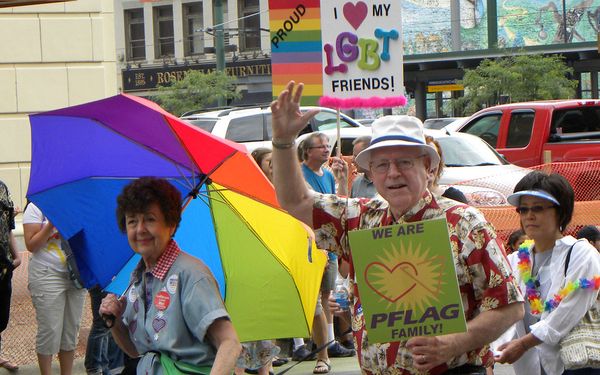
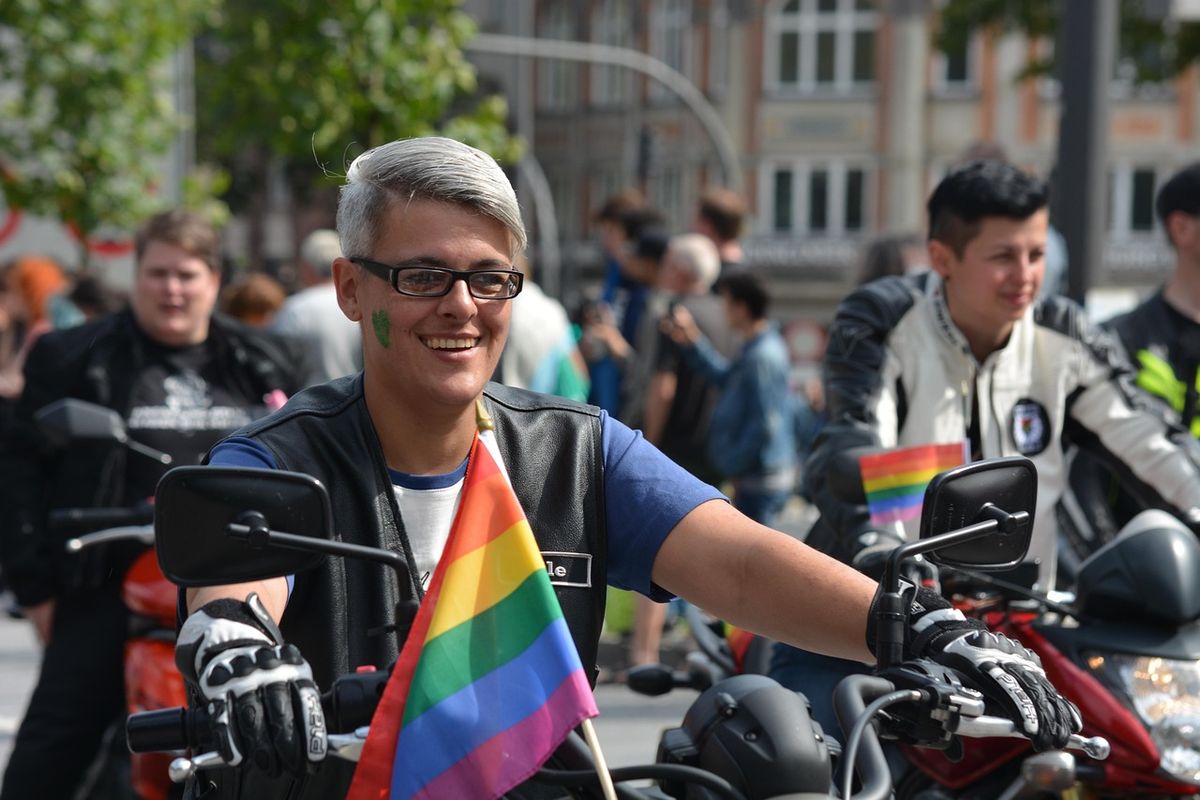
Those first marches were protests, not parades. They are why a Pride parade still carries a political edge under the celebration, and why the demonstrations have grown into the largest Pride parades in the world. If you are heading to one for the first time, our practical guide to your first Pride covers what to expect.
The Legacy of Stonewall
In June 2016, President Barack Obama designated the area around the Stonewall Inn as the Stonewall National Monument, the first unit of the National Park System dedicated to LGBTQ+ history. A visitor center opened on the site in 2024. The Stonewall Inn itself still operates on Christopher Street and was named a New York State and National Historic Landmark.
The fight that started there is far from finished, as our global overview of LGBTQ+ rights makes plain. Names like Marsha P. Johnson, Sylvia Rivera, and Stormé DeLarverie are remembered because they refused to wait for permission. They were among the people with the least to lose and the most nerve, and they changed what came after for everyone.
Frequently asked questions
Last reviewed: 25. June 2026