Your first Pride can be joyful and a little overwhelming. Here's what to expect, what to pack and how to enjoy the day, whether you're celebrating or showing up as an ally.
Attending your first Pride can be exciting, overwhelming and deeply moving, often all at once. Whether you identify as LGBTQ+ or you're coming as an ally to show your support, here is everything you need to know to make the most of the day.
A Quick Word on Why Pride Exists
It helps to know what you're walking into. The first Pride march was the Christopher Street Liberation Day march in New York on 28 June 1970, held one year after the Stonewall uprising. There were no floats and no dancing that day. It was a political demonstration, and the slogan that stuck — "Pride" — came from the simple idea that people who lack equal rights can still hold pride in who they are.
That history still runs underneath the music and the glitter. If you want the fuller story before you go, read about the Stonewall riots and how it all began, or get a feel for the format itself in what a Pride parade actually is. Knowing the roots tends to change how the day feels.
What to Expect
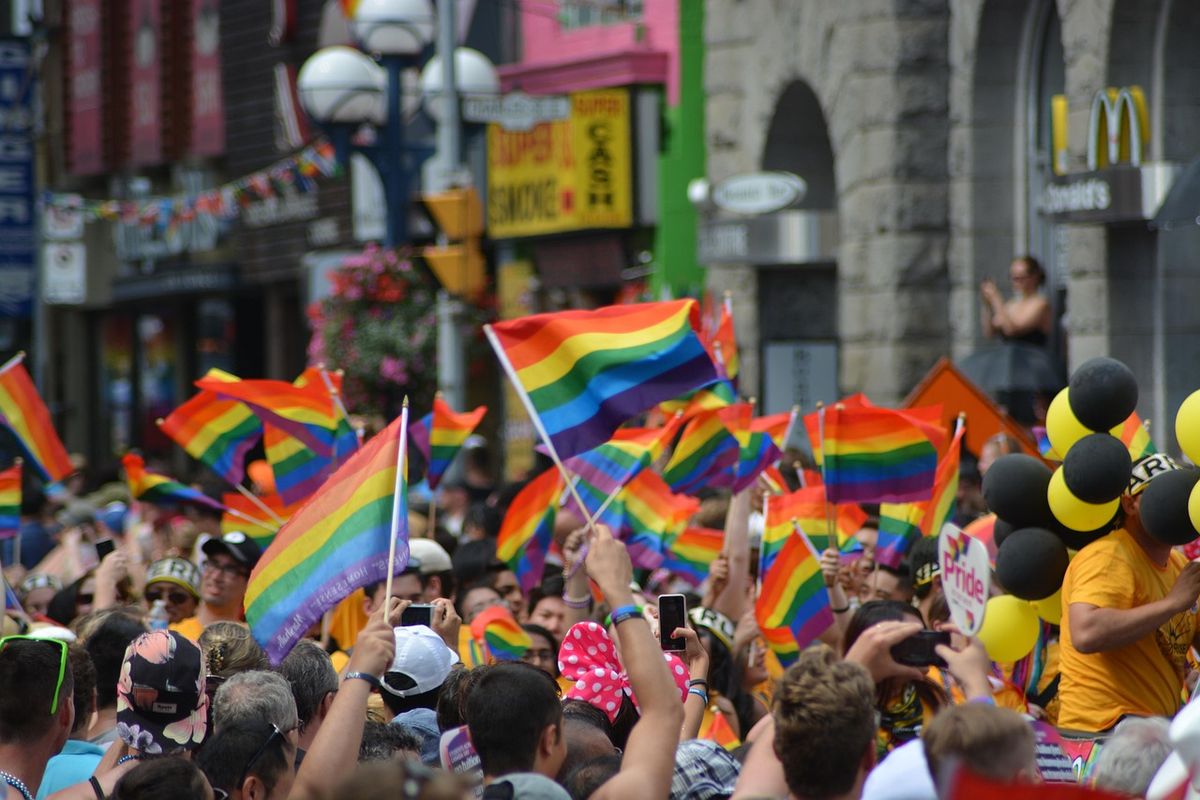
Pride events vary enormously in size and character. A Pride in a major city like London or Berlin might last an entire week with hundreds of events, while a smaller town Pride could be a single afternoon with a march and a community picnic. Most include a parade or march as the centrepiece, along with a street festival, live music, speeches and community stalls. The biggest of them draw crowds in the millions — you can see how they compare in our roundup of the largest Pride parades in the world.
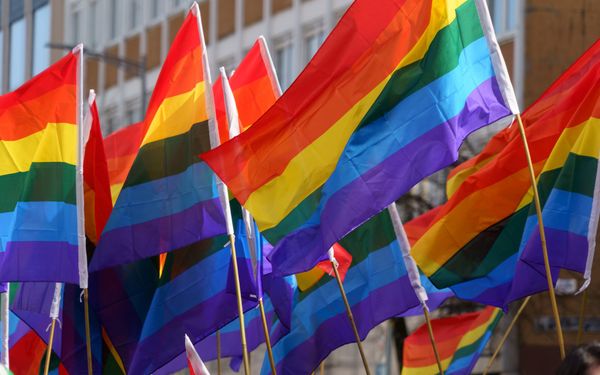
The atmosphere is usually joyful, colourful and welcoming. You will see people of all ages, backgrounds and identities. Some dress up in elaborate costumes; many come in everyday clothes. There is no dress code. Wear whatever makes you feel comfortable and happy.
What to Bring and How to Prepare
A little preparation goes a long way. Pack the basics and you'll spend the day enjoying yourself rather than hunting for a chemist.
- Arrive early: Popular Pride parades get very crowded. Show up at least an hour before the start to find a good viewing spot, especially if you want to be near the main stage or along the parade route.
- Sun protection: Most Prides take place in summer. Bring sunscreen, a hat and sunglasses. Sunburn can ruin an otherwise perfect day.
- Stay hydrated: Carry a refillable water bottle. Dancing and walking in the heat add up fast.
- Comfortable shoes: You'll be on your feet for hours, often on cobblestones or asphalt. Leave the heels at home, unless they're part of your fabulous outfit and you can handle them.
- Keep your phone charged: Bring a portable charger. You'll want photos, and you may need maps, meetup points or digital tickets.
- Cash and cards: Many street vendors are cash-only, though this varies by city. Bring a little cash just in case.
One more practical step: check the event website before you set off. Most organisers publish a festival map with the parade route, stage locations, toilets, water stations and accessible viewing areas. A two-minute look saves a lot of wandering.
Access, Quiet Zones and Wellbeing
Pride events are generally very safe, with dedicated security teams and a strong sense of community looking out for one another. As with any large public event, it pays to be sensible. Keep your valuables secure, agree on a meeting point with your group in case you get separated, and note where the first aid stations are.
Crowds and noise aren't for everyone, and you don't have to push through them. Many larger Prides now run quiet zones or sensory-friendly areas, sometimes stocked with noise-cancelling headphones, earplugs and fidget items. A pair of earplugs in your pocket can make the loud stretches manageable. If you have access needs, a sunflower lanyard is a recognised, low-key way to signal to staff and volunteers that you might need a hand. There is no pressure to stay the whole time — come and go as you please.
Coming as an Ally
If you're showing up in support rather than celebrating your own identity, your presence genuinely matters — and a little awareness goes a long way. Pride is a space of significance for many people, not just a party. Always ask before photographing individuals, especially in more vulnerable or intimate moments. Respect people's pronouns and identities. Remember that Pride is about amplifying LGBTQ+ voices, not centring your own. We've put together a fuller list of dos and don'ts in our guide to being a good ally at Pride.
After Your First Pride
Plenty of people catch the bug and start planning the next one before they've even left the festival. If that's you, the worldwide Pride calendar is the easiest way to find dates and cities for the year ahead. Travelling for Pride also opens up a city's wider queer scene, from bars to beaches — worth a look at the gay travel hotspots if you're combining a Pride weekend with a proper trip.
Above all, come with an open heart and mind. Pride has a way of making you feel like you belong, no matter who you are.
Frequently asked questions
Last reviewed: 25. June 2026