A Pride parade is a public celebration of LGBTQ+ identity and a demonstration for equal rights, born from the 1969 Stonewall uprising. Here's what it is, what happens on the day, and why it still matters.
A Pride parade — also called a Pride march, Pride festival, or simply Pride — is a public celebration of LGBTQ+ identity, community and culture, and at the same time a demonstration for equal rights. Pride events take place in cities around the world, usually between May and October, and range from small community marches to multi-day festivals that draw millions of participants.
Where It All Began
The origins of Pride trace back to the early hours of June 28, 1969, in New York City. Police raided the Stonewall Inn, a bar popular with the gay and transgender community in Greenwich Village. That night, instead of quietly submitting to the arrests and harassment that had become routine, the patrons fought back. Trans women of colour like Marsha P. Johnson and Sylvia Rivera were among those at the forefront of the uprising. The protests lasted several days and became known as the Stonewall Riots.
One year later, on June 28, 1970, the first Pride marches were held in New York, Los Angeles, San Francisco and Chicago to commemorate the anniversary. These were not parties. They were bold acts of political protest, demanding visibility and equal rights at a time when homosexuality was still criminalised in most US states. If you want the full story behind that single night, our piece on the Stonewall Riots and how it all began picks up the thread.
What Actually Happens on Parade Day
Walk into any large Pride and you'll see a procession made up of contingents: community organisations, activist groups, sports clubs, religious congregations, employers, and people simply marching on foot. New York's march alone has registered well over 600 groups in recent years. Between them roll decorated floats with sound systems, alongside marching bands and performance troupes.
A few things are worth knowing before you go:
- Grand marshals lead the way — honoured activists or community figures chosen to head the procession.
- Staging takes hours. Contingents often wait two to three hours at the assembly point before they step onto the route, even though the march itself passes any given spot in well under an hour.
- Spectator spots fill early. Popular stretches of pavement can be packed one to two hours before the first float appears.
- Streets close. Routes typically run a couple of kilometres through the city centre, with rolling road closures and designated crossing points.
If it's your first time, a little planning goes a long way. We've collected the essentials in a practical guide to your first Pride, and there's separate advice for anyone bringing kids and family.
Pride Today
Since those early days, Pride has grown into a global movement. Parades now take place in more than 100 countries across every continent. Some have become enormous: the São Paulo Pride Parade regularly attracts several million people, while events in New York, Madrid, London, Amsterdam and Sydney draw hundreds of thousands each year. You can browse what's happening near you on the worldwide Pride calendar.
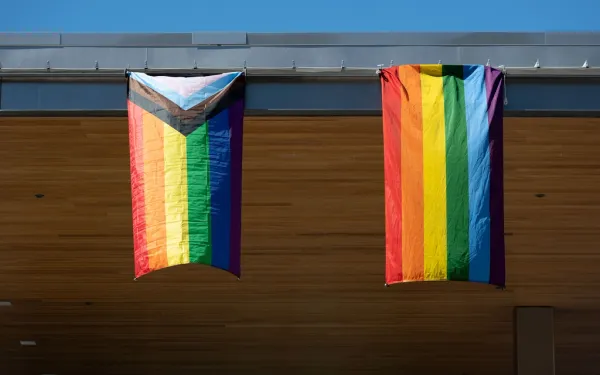
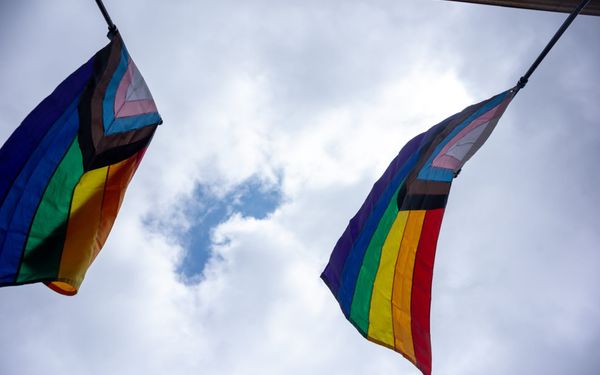
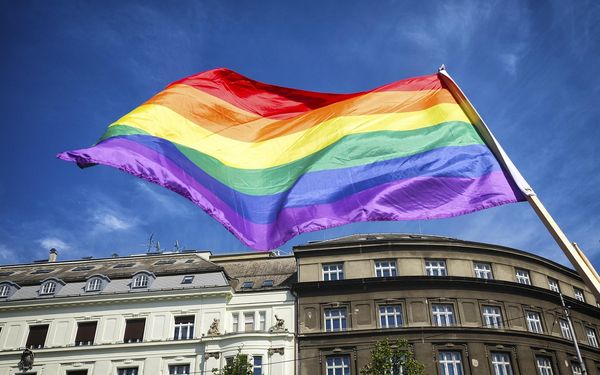
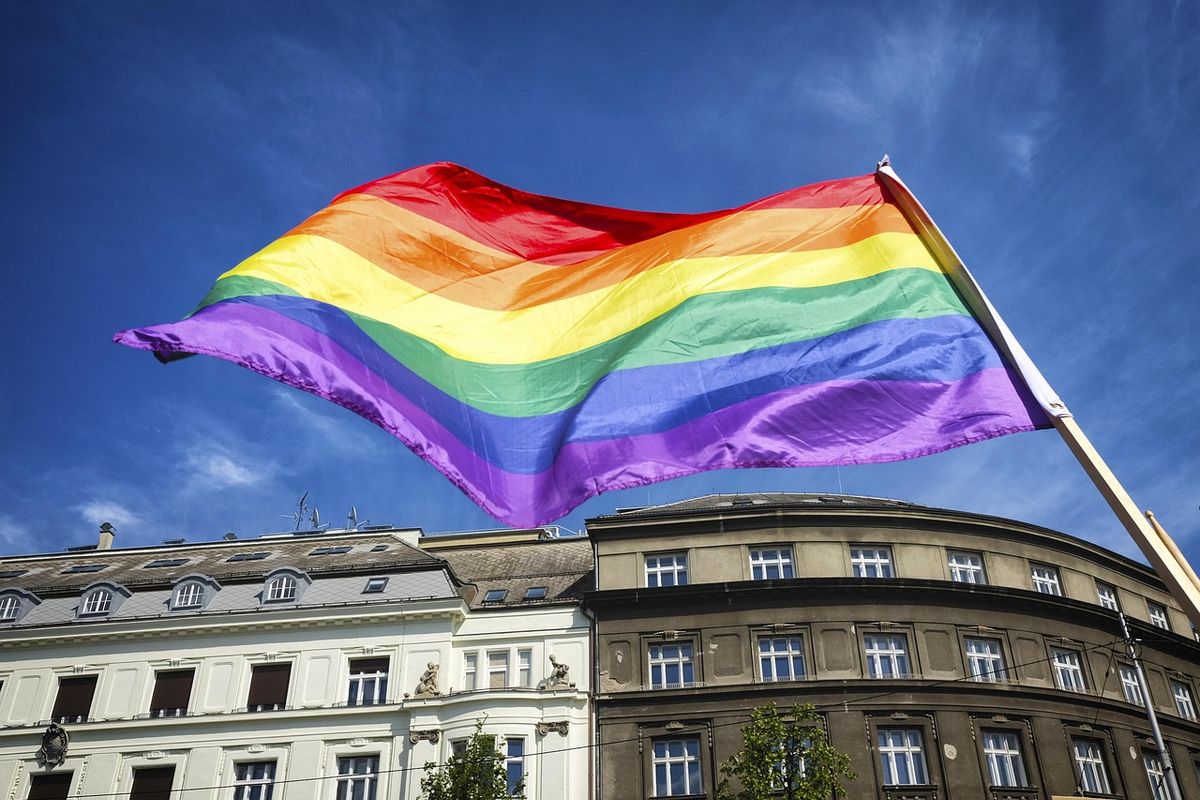
Modern Pride events usually pair the parade with street festivals, concerts, panel discussions, film screenings and art exhibitions. Many cities run a full Pride Week or even a Pride Month (June), filling their calendars with cultural, political and social programming. The rainbow flag, designed by Gilbert Baker in 1978, has become the universal symbol of the movement. For a sense of scale, see our roundup of the largest Pride parades in the world.
Party or Protest?
Ask around and you'll find a genuine, long-running debate. As LGBTQ+ communities have won legal recognition in many places, Pride has leaned more toward joy, visibility and celebration. Critics push back, arguing that corporate sponsorship and a festival atmosphere can blunt the political message that started it all. Some cities have responded by stripping out commercial floats in favour of explicit protest marches.
The honest answer is that Pride was never one or the other. It is both. The dancing and the demanding sit side by side. In many countries, LGBTQ+ people still face persecution, imprisonment or even the death penalty, and Pride events in cities like Istanbul, Warsaw, Budapest and Kampala remain acts of courageous defiance. Even where strong legal protections exist, Pride is a reminder that equality stays unfinished — from workplace discrimination to hate crimes and transgender rights. If you're attending in support, it's worth reading how to be a good ally at Pride.
The Difference Between CSD and Pride
In German-speaking countries (Germany, Austria and Switzerland), Pride parades are traditionally called "Christopher Street Day" or CSD, referencing the street where the Stonewall Inn was located. Everywhere else in the world, the term "Pride" is used. The events are essentially the same — a celebration and a demonstration for LGBTQ+ rights — just under different names. Some cities also run a EuroPride or a WorldPride, rotating mega-events that fold the local march into an international programme; we cover both in our guides to EuroPride and WorldPride.
Frequently asked questions
Last reviewed: 25. June 2026