From full marriage equality to the death penalty, LGBTQ+ rights vary enormously by country. A region-by-region look at where the world stands and what it means for travel.
Where you happen to be born still decides an enormous amount about your life as an LGBTQ+ person. In one country you can marry your partner, adopt children together and walk in a Pride parade past police who are there to protect you. A few hundred kilometres away, the same relationship could cost you your job, your freedom or your life. This map of legal reality keeps shifting, and knowing it matters whether you are planning to travel to a Pride abroad or simply trying to understand where the movement stands.
Europe: a continent pulling in two directions
Western Europe is often held up as the safest place in the world to be queer, and the legal record backs that up. The Netherlands, Belgium, Spain, Sweden, Denmark and Germany all combine marriage equality with anti-discrimination law and legal gender recognition. The Nordic countries in particular rank near the top of international equality indexes year after year.
Europe is far from uniform, though. Hungary has banned the depiction of homosexuality in content aimed at minors and, in 2025, moved to restrict Budapest Pride itself. Several Polish regions declared themselves "LGBT-free zones" before legal and EU pressure forced most of them to backtrack. Russia has pushed its "gay propaganda" laws to the point of labelling the broader LGBTQ+ movement as extremist. If you want a sense of how this plays out at one of the continent's flagship events, our piece on EuroPride, Europe's roaming flagship celebration shows how host cities are chosen partly to put a spotlight on places under pressure.
The Americas: progress and backlash side by side
North America has changed dramatically in a generation. The United States legalised same-sex marriage nationwide in 2015, and Canada has been a leader since the early 2000s. The picture is not settled, however. A wave of state-level legislation targeting transgender people, especially trans youth and their access to healthcare, has reopened fights many assumed were over.
Latin America is genuinely mixed. Argentina, Brazil, Colombia, Uruguay, Chile, Cuba and Mexico have all opened marriage to same-sex couples, and several have strong constitutional protections on paper. Yet the gap between law and daily life is wide. Transgender women in particular face brutal levels of violence in countries such as Brazil, Honduras and Guatemala, where legal equality has not translated into physical safety.
Asia and Oceania: slow change, sharp contrasts
Asia holds some of the movement's most striking recent wins alongside some of its harshest laws. Taiwan made history in 2019 as the first place in Asia to legalise same-sex marriage. Thailand followed when its marriage equality law took effect in January 2025, making it the first country in Southeast Asia to take that step, and Nepal began registering same-sex marriages after a landmark court order. Japan, despite broad public support and a string of district-court rulings that found the marriage ban unconstitutional, still has no national law.
Elsewhere the situation is grim. Much of Central and Southeast Asia offers no legal protection, and several states actively prosecute queer people. Brunei introduced death by stoning for homosexuality in 2019; sustained international pressure produced a moratorium on enforcement, but the law remains on the books.
Australia and New Zealand sit firmly on the progressive side, both pairing marriage equality with comprehensive anti-discrimination protection and visible, well-established Pride scenes.
Africa: the hardest continent, with bright spots
Africa remains the most difficult region on the map. Homosexuality is criminalised in more than 30 countries, with penalties that run from fines to life imprisonment. In a handful of places, including Mauritania and parts of northern Nigeria and Somalia, the death penalty applies. Uganda's Anti-Homosexuality Act of 2023, which carries the death penalty for so-called "aggravated homosexuality", drew condemnation from governments and rights bodies worldwide.
There is movement in the other direction too. South Africa was the first country on the continent to legalise same-sex marriage and still has one of the most explicitly protective constitutions anywhere. Botswana decriminalised homosexuality in 2019, and Angola and Mozambique have removed colonial-era sodomy laws from their statutes.
The Middle East: narrow margins of safety
For most LGBTQ+ people, the Middle East is among the most dangerous regions to live or travel openly. Homosexuality is criminalised across most of it, and the death penalty can apply in Iran, Saudi Arabia, Yemen and Qatar. Israel is the clearest exception, with anti-discrimination law, a large and visible Pride scene centred on Tel Aviv, and recognition of same-sex marriages performed abroad even though they cannot yet be conducted domestically.
Why marriage equality is only part of the story
It is tempting to measure progress by a single yardstick. Marriage equality now exists in roughly 38 countries, and that number is a useful headline, but it can mask a more complicated reality. A country can offer marriage while leaving transgender people without legal gender recognition, or pair progressive law with social attitudes that make everyday life unsafe. Our overview of marriage equality around the world digs into how these milestones were won, country by country.
Decriminalisation, anti-discrimination protection, gender recognition, asylum rights and protection from violence are all separate battles, and a place can be far ahead on one while lagging badly on the others. None of this fell from the sky. The modern movement traces much of its energy to a single uprising, and the story of the Stonewall riots and how it all began explains why marching in the street remains such a potent act.
What this means if you are travelling
Legal status shapes everything from whether you can hold hands in public to how police are likely to treat you. Before heading to a Pride abroad, it pays to know the local law, the dominant attitudes and any recent shifts. Our worldwide Pride calendar covering events on every continent is a practical starting point for matching destinations to dates, and the broader gay travel hotspots guide goes deeper on what to expect once you arrive.
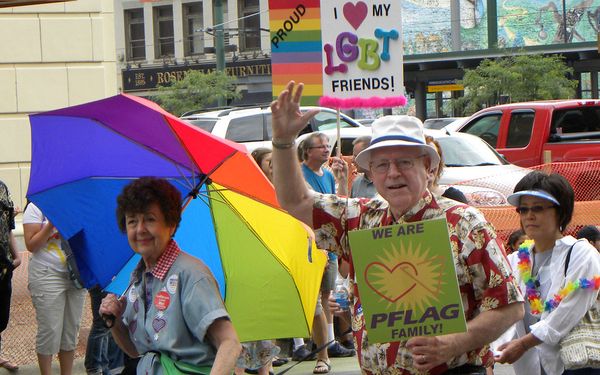
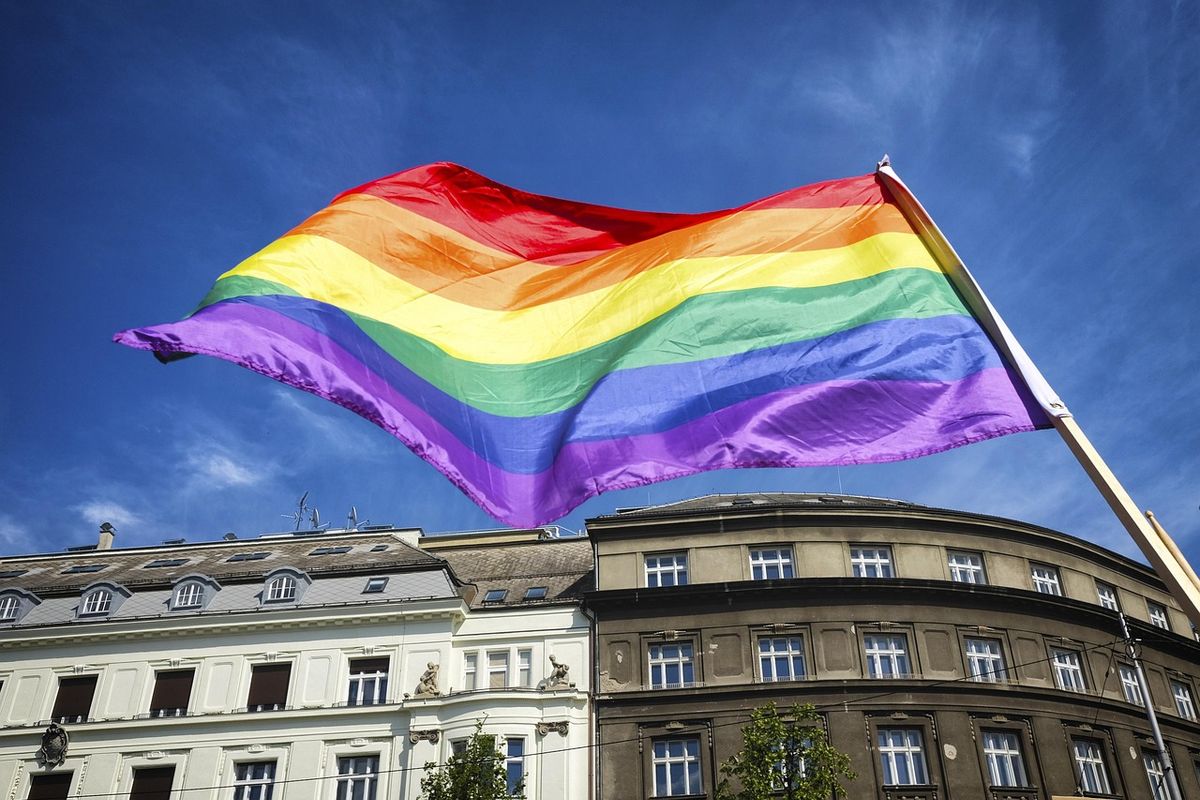
The long-term direction of travel is towards more rights, not fewer, but the gains are uneven and some of them can be rolled back. That is exactly why visibility still does work that law alone cannot. Every Pride march, in every city, is a reminder that queer people exist everywhere and have a claim to equality everywhere.
Frequently asked questions
Last reviewed: 25. June 2026