For people who fled persecution because of who they are, Pride can be the first place where living openly feels safe. This guide covers the background, the support landscape and what organizers and fellow marchers can do to make the welcome real.
For many people, Pride is a date on the calendar: music, rainbow flags, friends to meet. For someone who had to flee because being queer can be deadly, the march means something else. It can be the first place where life does not have to be hidden.
The numbers show what is at stake. UNHCR, the UN refugee agency, reports that in certain countries same-sex relationships are criminalized, sometimes punishable by death. In the decades since the 1951 Refugee Convention, most LGBTIQ+ refugees have come to qualify as members of a particular social group under its definition, and UNHCR's Guidelines on International Protection No. 9 spell out how asylum claims based on sexual orientation and gender identity should be assessed. For many people, fleeing is the only way out. Rainbow Railroad, an organization that helps LGBTIQ+ people relocate to safety, says it has assisted more than 40,000 individuals since it was founded.
Reaching a new country does not end the struggle. UNHCR's guidance on working with LGBTIQ+ people in forced displacement notes that challenges often persist in asylum countries. Newcomers can be excluded from traditional support networks among both displaced and host communities and may face barriers to accommodation, health care and education. Many stay invisible, unsure whether it is safe to come out again. Some organizations work specifically on this gap: in Germany, for example, the LSVD+ runs a nationwide network for queer refugees, and community-led groups in several cities offer counseling and meeting places.
Seeking protection on these grounds is possible, but the process is demanding. Some applicants do not know that persecution related to sexual orientation or gender identity can be the basis of an asylum claim at all. UNHCR guidance stresses that interviews must never include invasive questions about someone's sexual behavior, and that decision-makers need to understand how cultural background shapes the way people talk about identity. For many refugees, speaking about this in front of officials, interpreters or family members is the hardest part, especially when home country, faith or family expect otherwise.
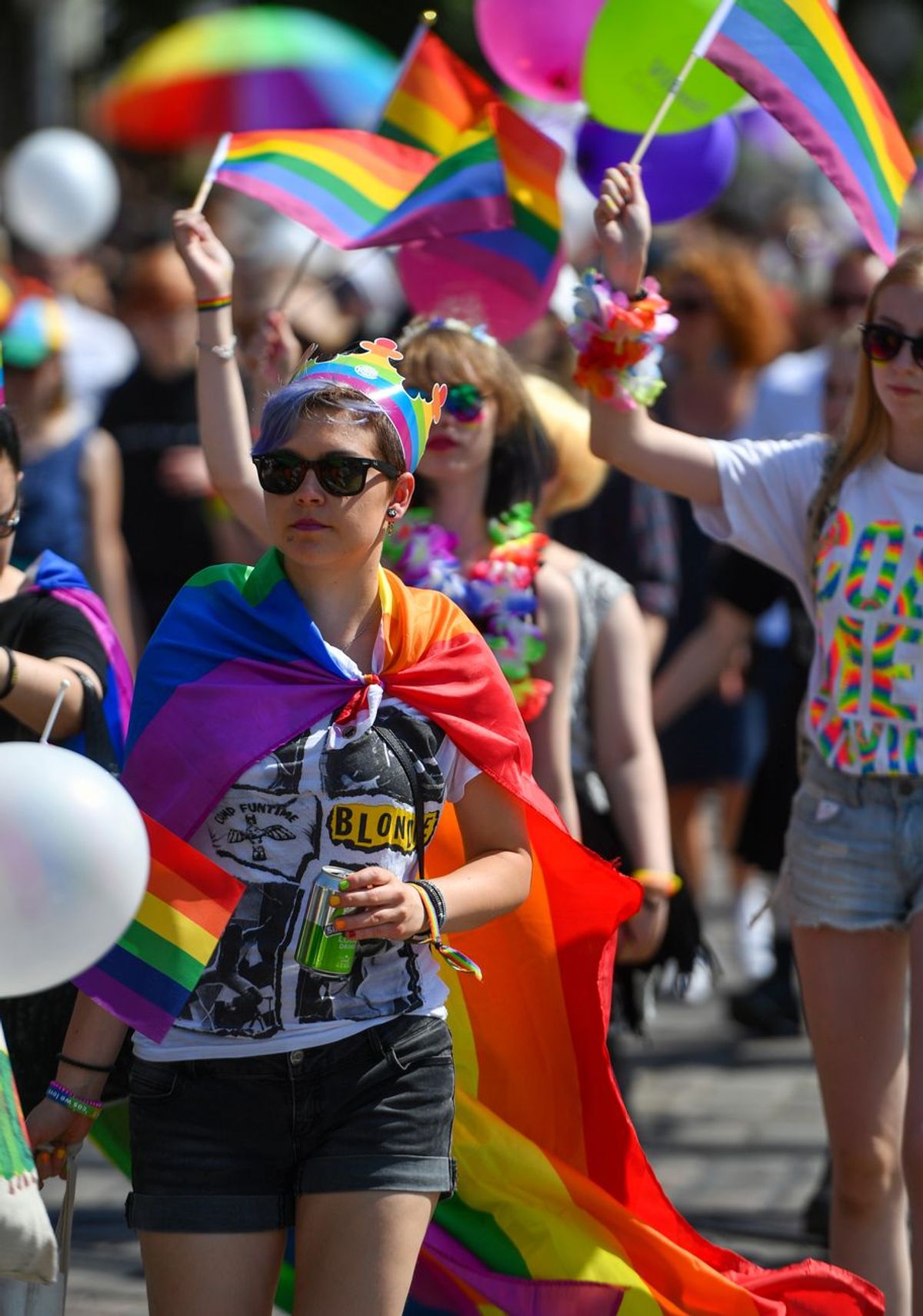
Pride can be the counter-space that turns this around. On the march, queerness is the norm, not the exception. For people who spent months hiding their identity, that is a powerful moment. In many cities, self-organized groups of refugees march together under their own banners, making visible the fact that queer community has no homeland and keeps growing with new faces.
Organizers can strengthen this character of Pride. Multilingual information, an awareness team that people can approach in English, Arabic or Farsi, and visible pointers to support services all make a difference. Small steps work well: a welcome banner in several languages, a section of the program for newcomers, cooperation with refugee-led organizations in the city.
Everyone on the march can contribute. A friendly word, a question about the route or a spot in the group seems small and means a lot. Those who are unsure how far to go can follow the rule that works in most queer spaces: ask instead of assume, accept a no, do not make other people's lives a topic of curiosity. Language is part of the welcome: a few words in Arabic, Farsi or Spanish can open a conversation that no pamphlet could start. If someone witnesses harassment, the safest move is usually to get the awareness team or call for help loudly.
For newcomers, the practical side matters too. Most marches have a meeting point, clearly marked with signs and announcements. Knowing the sequence in advance helps: the rally point, the walk through the streets, the stage program at the end. Support organizations can often arrange for a volunteer to accompany someone who prefers not to walk alone. Pride is an open public demonstration, no registration is needed. Local support groups and refugee-led organizations are usually listed on the websites of national LGBTIQ+ federations, and most are happy to put newcomers in touch before the event.
Pride is a reminder of what people seek protection for worldwide: a life in which they do not have to lie. Those who have just arrived should be able to see that this place can be theirs as well. Solidarity with queer refugees belongs on the rainbow flag like any other color.
Frequently asked questions
Last reviewed: 21. September 2026