Going to Pride alone is common, and it can give you room to decide what feels right. A simple plan for arrival, breaks and your journey home helps you stay open to the day.
Going on your own is completely normal
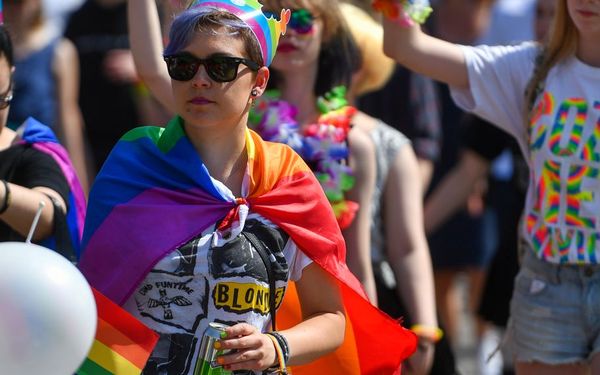
A Pride event can look as if everyone arrived with a ready-made group. Many people do, but plenty come alone: they are new to the city, friends are busy, or they simply want to take the day at their own pace. None of that needs an explanation.
Going solo does not mean spending the day alone. It means you can choose the march, a community stall, a concert, or a quiet break without negotiating every decision. For a first Pride, that can be a relief.
Check the basics before you leave
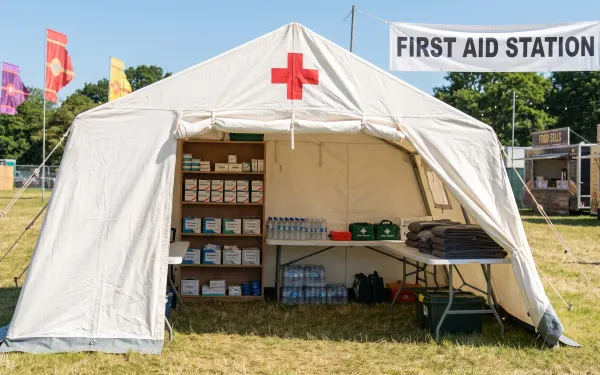
Start with the organiser's official information. Look for the route, start time, festival site, accessibility notes, bag rules and welfare or first-aid points. A march, a street festival and an evening party work differently. Knowing where things start and finish makes the day easier to navigate.
Decide how you will get home before the crowds build. That might mean saving the name of a transit stop, agreeing on a check-in with someone you trust, or noting your accommodation address offline. Mobile service can struggle in a dense crowd.
Keep your bag simple: water, weather-appropriate clothing, identification, a way to pay and any medication you need. Comfortable shoes matter more than a perfect outfit if the route runs long.
Arrive gently
You do not have to start in the middle of the crowd. Many Pride events have calmer edges, information tents, exhibitions or discussion spaces. A short walk around can tell you where you feel comfortable.
If you want to meet people, a small, specific interaction is easier than trying to make instant friends. Ask a stall about a local group, join a discussion, or comment on something visible such as a sign or a programme item. A brief chat that goes nowhere is not a verdict on you. A large event holds many different moods at once.
If you drink or use other substances, it helps to decide your own limit before the day gets busy and to keep an eye on your drink and belongings. That is not a moral instruction. It is a practical way to stay able to make your own choices.
Photos, privacy and your boundaries
Pride is public, and people take photos. You still do not have to appear in them or explain your name, coming-out status or private life. Ask before photographing people who are recognisable, and say clearly if you do not want to be photographed. Before posting, think about who can see the image and what it might reveal.
Amnesty International recommends checking the location and expected course of a protest in advance, and making a plan in case people are separated. That is useful preparation for Pride too. It does not mean expecting the worst.
Give yourself permission to pause
Heat, noise, crowds or one unpleasant comment can make a good day feel like too much. Step aside, find a quieter street, or ask an awareness team, first-aid point or event information desk for help. You do not have to justify taking a break.
Leaving early does not make the visit less meaningful. Pride is not a test of visibility. An hour, a whole afternoon, or just a stop at a community stall can all be a good first visit.
Frequently asked questions
Last reviewed: 9. October 2026