As bans, crackdowns, and disruption threats reshape Pride season worldwide, a safety plan has stopped being optional. What it should cover, who signs off on it, and how small teams pull it off on a tight budget.
In plenty of cities, Pride has stopped being just a party with floats and music. Increasingly, it is a public assembly that needs a permit, a negotiated route, and, depending on the country, a genuine target for people trying to shut it down. Because of that, whoever organizes a Pride march or festival needs more than a stage and a sound system: they need a safety plan, whether 500 people show up or 500,000. This guide covers what that plan should include, who signs off on it, and how smaller teams pull it off on a limited budget.
Why safety planning carries more weight now
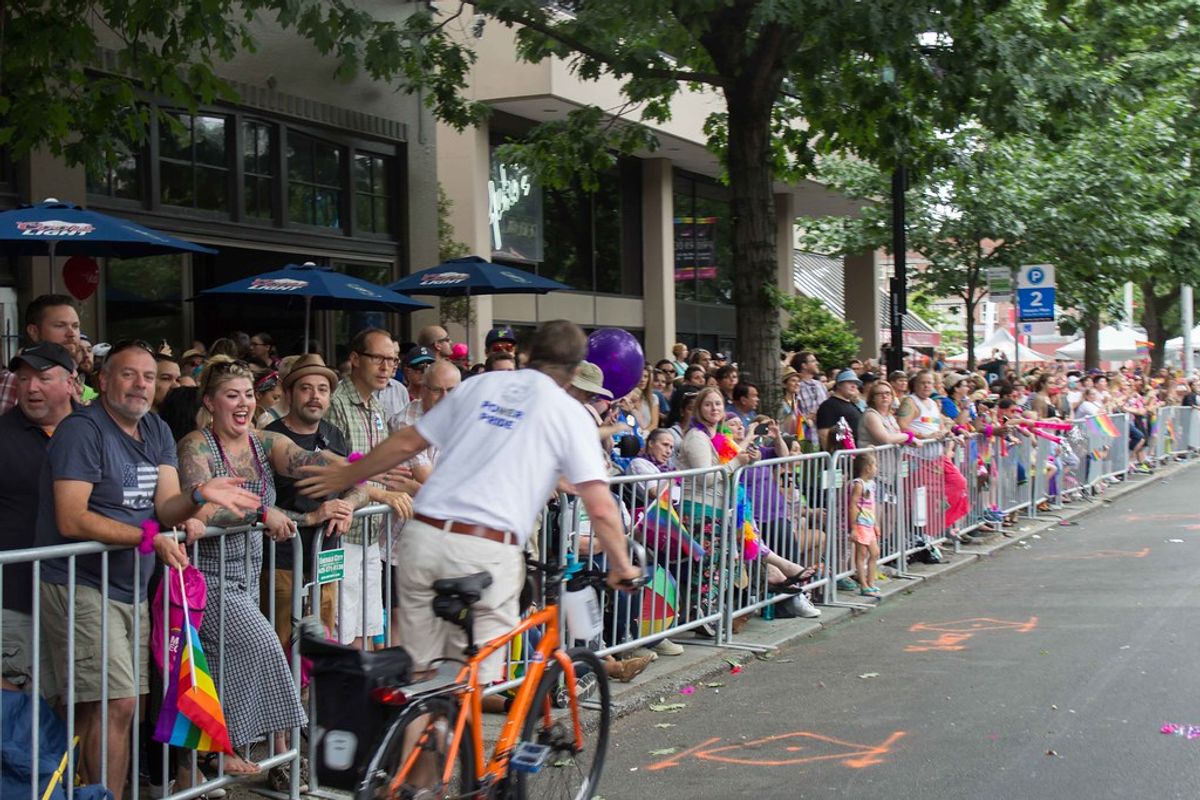
Across 2025, the threat picture shifted sharply in several directions at once. Hungary became the first EU country to criminalize Pride participation, with fines and even prison time threatened against organizers, yet Budapest Pride still drew somewhere between 100,000 and 200,000 defiant participants as a municipal event. Turkey banned its march outright and police arrested more than 50 people, including a sitting member of parliament. In the United States, WorldPride organizers in Washington, D.C. installed security fencing around their entire two-day street party after rumors that far-right groups planned to disrupt it, following an FBI and DHS advisory warning of a heightened threat environment during Pride Month.
None of this means large, well-resourced Prides are the only ones affected. For Chicago's 2026 parade, police scheduled extended shifts and additional officers along the route, while organizers placed numbered pole markers so attendees needing help could describe their exact location quickly. London Pride, held under the UK's continuing "severe" terrorism threat level, still went ahead with its usual scale (around 30,000 marchers and hundreds of floats), precisely because police reviewed and adjusted its security plan rather than scaling the event back.
Who actually owns the safety plan
There is no single global rulebook here, and that is worth saying plainly. In most jurisdictions, whoever registers the march or festival with the local authority carries formal responsibility for it, even when the technical planning gets delegated to an events security contractor or a volunteer logistics team. Some Prides, like NYC Pride, have gone further and built policies specific to their own community's trust concerns. Since 2021, it has barred uniformed police officers from marching or recruiting at the event, choosing community-run marshals and safety teams instead. Whatever the local approach, one thing holds everywhere: don't wait for an authority to ask for a plan before building one. A simple version, put together early, beats improvising decisions on the day.
The building blocks of a workable plan
A safety plan is really an answer to three questions: what could go wrong, who notices first, and what happens next. In practice, that breaks down into a fairly consistent set of components:
- A risk assessment walks the route, gathering points, entrances, and choke points in advance, and flags proximity to groups or locations with a history of hostility.
- Access control and barriers decide where attendees enter, keep lanes clear for emergency vehicles, and block unauthorized vehicle access to the route.
- Marshals manage the route and crowd flow, while a distinct wellbeing or support team handles anyone who experiences harassment or an attack, kept apart from the pure crowd-control role.
- Communication channels mean a shared radio channel or messaging group linking command, marshals, medical staff, and police, with one named person holding decision authority during an incident.
- Medical coverage runs to at least one first-aid post at the rally point, with multiple stations spread along the route for larger events.
- Evacuation routes stay clear for stage areas and any high-density crowd zones, backed by an actual evacuation plan.
- A weather contingency names a decision-maker and sets clear trigger points for pausing or relocating the event during severe weather or extreme heat.
- Aftercare means contact lines to local LGBTQ+ organizations for psychosocial support once an incident is over.
A timeline that works for small teams too
Safety cannot be improvised the week before. A rough schedule:
Several months out: register the march or festival with the relevant authority, make first contact with police or the city, and settle a draft route and expected attendance.
8 to 12 weeks out: draft a first version of the safety plan and start coordinating with medical services.
4 to 6 weeks out: finalize the plan with local authorities, and confirm marshals and the wellbeing team.
1 to 2 weeks out: train marshals and the wellbeing team, test communication channels, and distribute emergency contacts to everyone involved.
On the day: hold a short briefing before the event starts, keep one clear point of command, and maintain ongoing communication through the agreed channel.
What attendees can do on their own
Simple precautions help on the attendee side too: stick with a group, keep emergency numbers within easy reach, report anything suspicious to marshals or police rather than intervening directly, and know the meeting point organizers have shared in advance. When organizers publish their safety policies ahead of time, on social media or the event website, everyone finds it easier to act on them when it counts.
The bottom line
A safety plan is not a vote of no confidence in the community itself: it is what lets Pride stay a celebration even when the surrounding climate turns hostile. Coordinating early with authorities, splitting roles clearly, and keeping a dedicated wellbeing team separate from crowd control blunts most of what a disruption attempt could achieve.
Reference point: July 2026. Legal requirements and permit timelines vary widely by country and city. Always confirm specifics with the local authority.
Frequently asked questions
Last reviewed: 27. July 2026