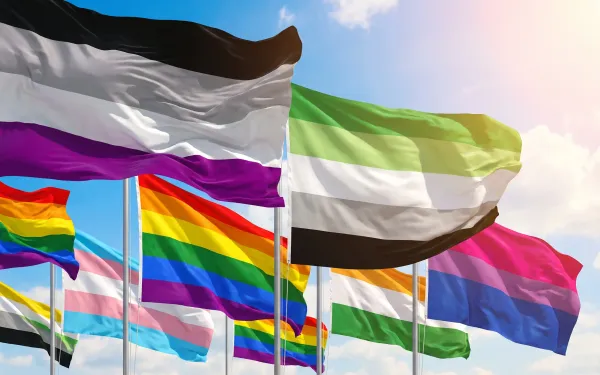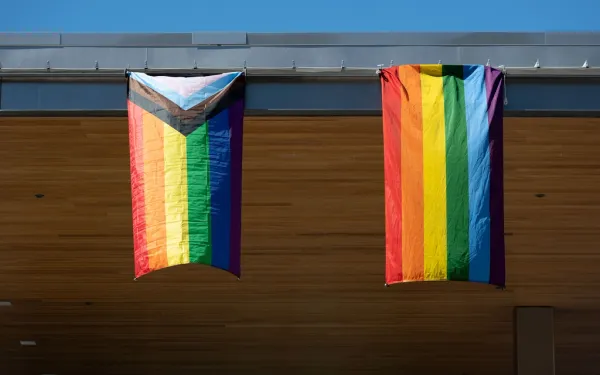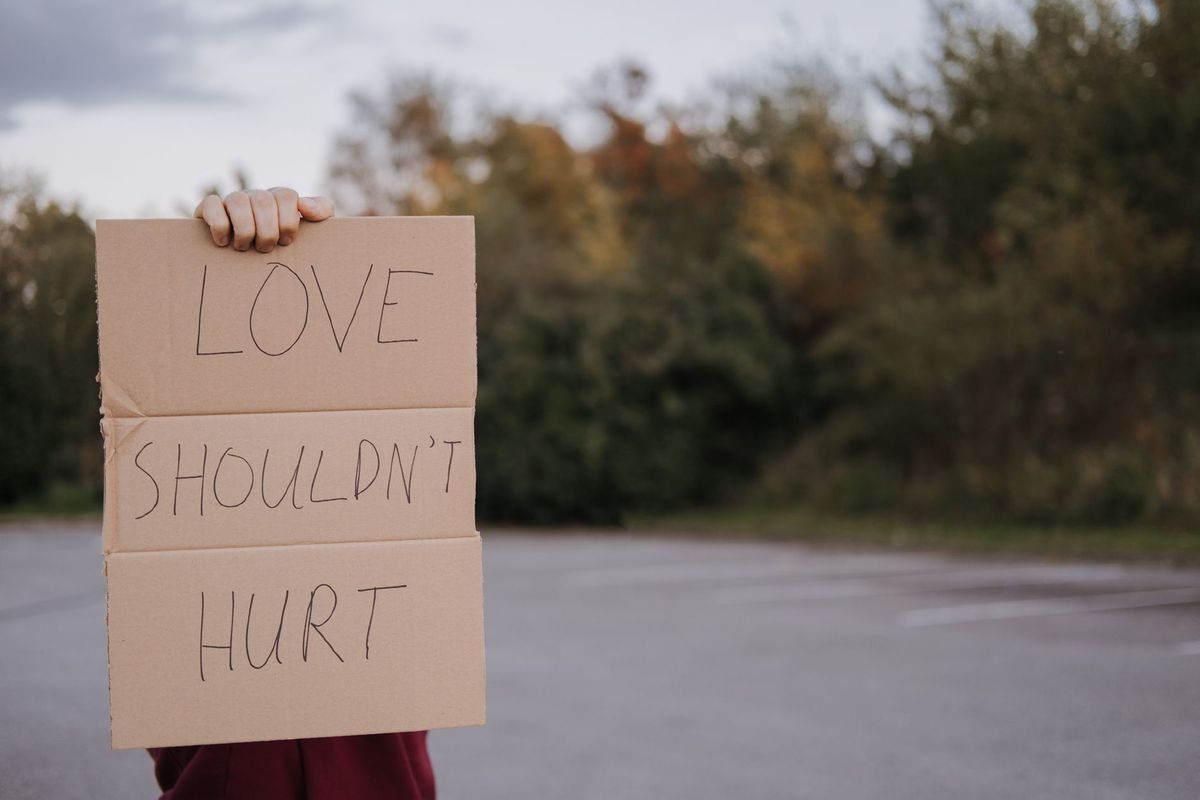
A Pride sign can make a demand visible without blocking other people out. Practical choices about wording, size, photography and shared space make it work better.
A sign can carry a demand, a memory, or a simple message of solidarity at Pride. It also takes up space in a crowd, changes other people's view and may end up in photographs. Thinking about that before making it does not make a sign less political. It makes the message more likely to reach people.
Pride has always held different concerns at once. Marches grew from resistance to police violence and discrimination. People now bring demands about trans and intersex rights, safety, asylum, health care, accessibility and local politics. No cardboard sign can speak for all of that. It does not need to. It should say clearly what it means.
Start with the message
One thought per side is usually enough. A dense paragraph cannot be read from across a street or in a moving crowd. Use large lettering, strong contrast and colours that do not depend only on red and green. Read the sign from several metres away before you leave home.
It is worth asking whether a stranger can understand the words without knowing your social-media circle. Community language and jokes belong at Pride, but a plain phrase travels further when the point is to start a conversation. A demanding message does not have to sound polite. Anger about injustice belongs in public protest. Personal attacks, unverified claims and slurs do not make a demand more convincing.
When a sign refers to a case, a person or a number, check it first. This matters especially when the message may be photographed and shared without its original context.
Make it manageable in a crowd
Cardboard is light, though wind and rain can make it awkward. Choose something you can hold comfortably and avoid sharp, heavy poles. Every Pride has its own rules on banners, flagpoles and objects at security checks. Check the organiser's current visitor information instead of relying on a post from a previous year.
A tall sign can block the view for wheelchair users, shorter people and families. In a dense section of a march, keep it at your side or around shoulder height rather than above your head all day. Lower it during stage performances. That is not a retreat from the message. It is a practical way of sharing the space.
Loose glitter and confetti are hard to clean up and stay on streets and clothes long after the event. Paper, paint and markers do the job. If you want to use the sign again, put a small note on the back and store it flat.
Photography needs care
Pride is public, but not everybody is able or willing to be identifiable online. A photograph can have consequences at work, with family or for personal safety. Do not take close pictures of faces as if everyone has agreed to them. Ask when one person is the focus, and take no for an answer without debate.
The same applies to your own sign. A full name, a handle or a personal story can reveal more than intended. A message may work better without identifying details. Before posting images, look at the background as carefully as the subject. Blurring someone is not a statement that they should be hidden. It gives them control over their visibility.
Organisers often set specific conditions for accredited journalists and photographers. Those rules are a reminder that image-making is not neutral. A private visitor should not assume that a phone camera creates the same permissions.
Make room for other groups
Pride brings together people with different experiences and priorities. Leave room for groups carrying their own banners, and ask before joining an organised block. Do not step in front of a group just to get a better photo. During memorials or quiet moments, less movement can be the most respectful choice.
If your sign supports an issue that does not affect you directly, listen to people who work on it. Solidarity is not speaking over them. It can be as ordinary as making room, helping carry a banner or sharing information from a trusted support organisation.
At the end of the day, take the sign home or dispose of it properly. Pick up what has fallen from it. Pride can be loud, colourful and uncomfortable. Consideration does not soften its politics. It lets more people take part.
FAQ
Frequently asked questions
Last reviewed: 22. September 2026