June didn't become Pride Month by consensus. It became Pride Month because one president signed a piece of paper in 1999, another let eight years pass without one, and the ones who came after kept making, or refusing to make, the same choice. Here's how the federal recognition actually happened, administration by administration.
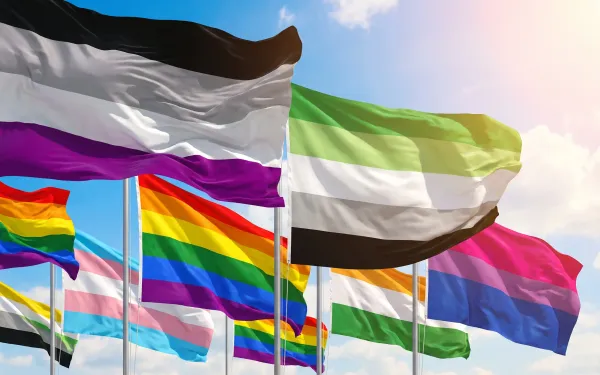
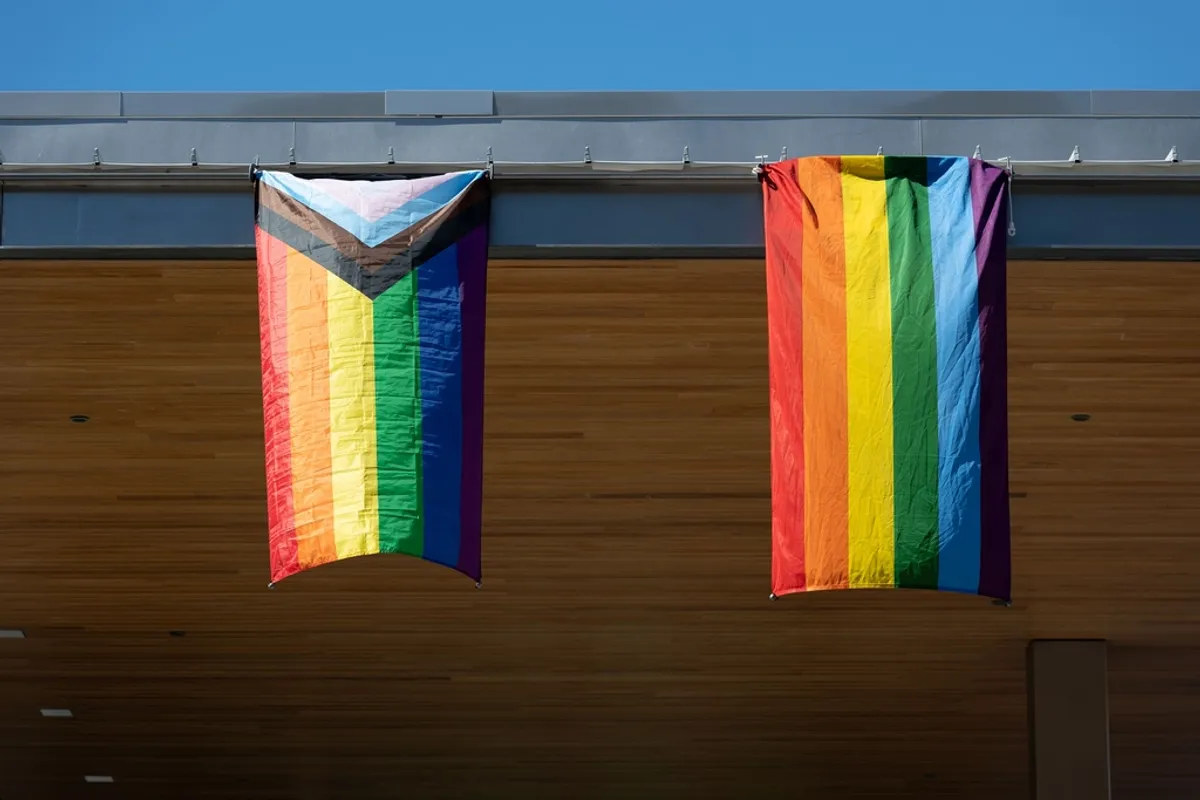
Every June, rainbow flags show up on federal buildings, corporate logos, and city hall facades across the United States. It looks automatic by now, like a holiday that's always existed. It isn't. The word "Pride" traces back to the Stonewall uprising, which began in the early hours of June 28, 1969, at a bar in New York's Greenwich Village (a story told in full elsewhere on this site). What's less often explained is the thirty-year gap between that event and its formal recognition, and the fact that recognition has never been guaranteed since.
1999: the first proclamation
Bill Clinton issued the first "Gay and Lesbian Pride Month" proclamation in June 1999, Proclamation 7203, thirty years after Stonewall. The text credited gay and lesbian Americans for their contributions to national life and pointed to an executive order Clinton had signed the year before, banning discrimination based on sexual orientation in the federal civilian workforce. He issued the proclamation again in 2000. Before that, June had no formal federal status at all; individual mayors, governors, and organizations marked it locally, but no president had put the month on the record.
The Bush years: no proclamation, eight times over
George W. Bush never issued a Pride Month proclamation in either of his terms. The silence was consistent, not a one-off oversight, and LGBT organizations at the time called it out directly as a step backward. It's worth sitting with what that gap actually meant in practice: a federal recognition that existed under one administration simply stopped existing under the next, with no law or process required to make that happen. That fragility is the throughline of this whole history.
2009: Obama expands the name
Barack Obama restored the proclamation in his first year in office and immediately broadened it, from "Gay and Lesbian Pride Month" to "Lesbian, Gay, Bisexual, and Transgender Pride Month": the first time a presidential proclamation named bisexual and transgender Americans explicitly. He didn't let it lapse again: Obama signed the proclamation every single year of his presidency, from 2009 through 2016, eight years running.
Trump: recognition without a proclamation
Donald Trump never signed a Pride Month proclamation in either of his two terms. In 2019, he acknowledged the month informally, through a series of tweets: a gesture, not a government document, and a distinction that matters more than it might seem. A tweet carries no institutional weight; it doesn't shape how federal agencies communicate or how U.S. embassies mark the month abroad. Ahead of his second term, the White House confirmed there were "no plans" to issue one. The pattern held: Bush's silence, repeated.
Biden: back to an annual proclamation, again broadened
Joe Biden reinstated the proclamation in 2021, this time under an even wider name: "Lesbian, Gay, Bisexual, Transgender, Queer, and Intersex Pride Month," shortened to LGBTQI+ Pride Month. He signed it every year of his term, through 2024, and each version leaned into the political moment. The 2023 and 2024 proclamations both referenced the wave of state-level legislation targeting LGBTQ+ Americans, particularly transgender people.
As of 2026: the pattern above is the whole story, not a footnote to it. Federal recognition of Pride Month has changed hands exactly as often as the presidency has, and nothing structural prevents that from continuing.
What a proclamation actually does, and doesn't
It's worth being precise here, because the document itself has no legal force. It doesn't create funding, doesn't amend any statute, doesn't obligate any agency to do anything. What it does is set a tone: federal communications tend to follow it, some embassies and government buildings display flags, and agencies reference it in official statements. That's exactly why the gaps matter: the absence of a proclamation isn't neutral. It's a visible choice, made by an administration, about whether the federal government associates itself with the month at all.
One thing this isn't
This is a story about federal recognition, not about the origins of Pride itself. That's the Stonewall uprising, and it's covered in more depth in a separate piece on this site. What's distinct here is the part that came thirty years later: the slow, uneven process by which "June" turned into "Pride Month" as a matter of government record, one administration's decision at a time.
Frequently asked questions
Last reviewed: 11. August 2026