In November 1978, three weeks in California separated a win at the ballot box from a murder in City Hall. Harvey Milk stood in the middle of both. If you want to understand why Pride is more than a parade, his story is a good place to start. It shows what was at stake and how close it was.
A supervisor for San Francisco
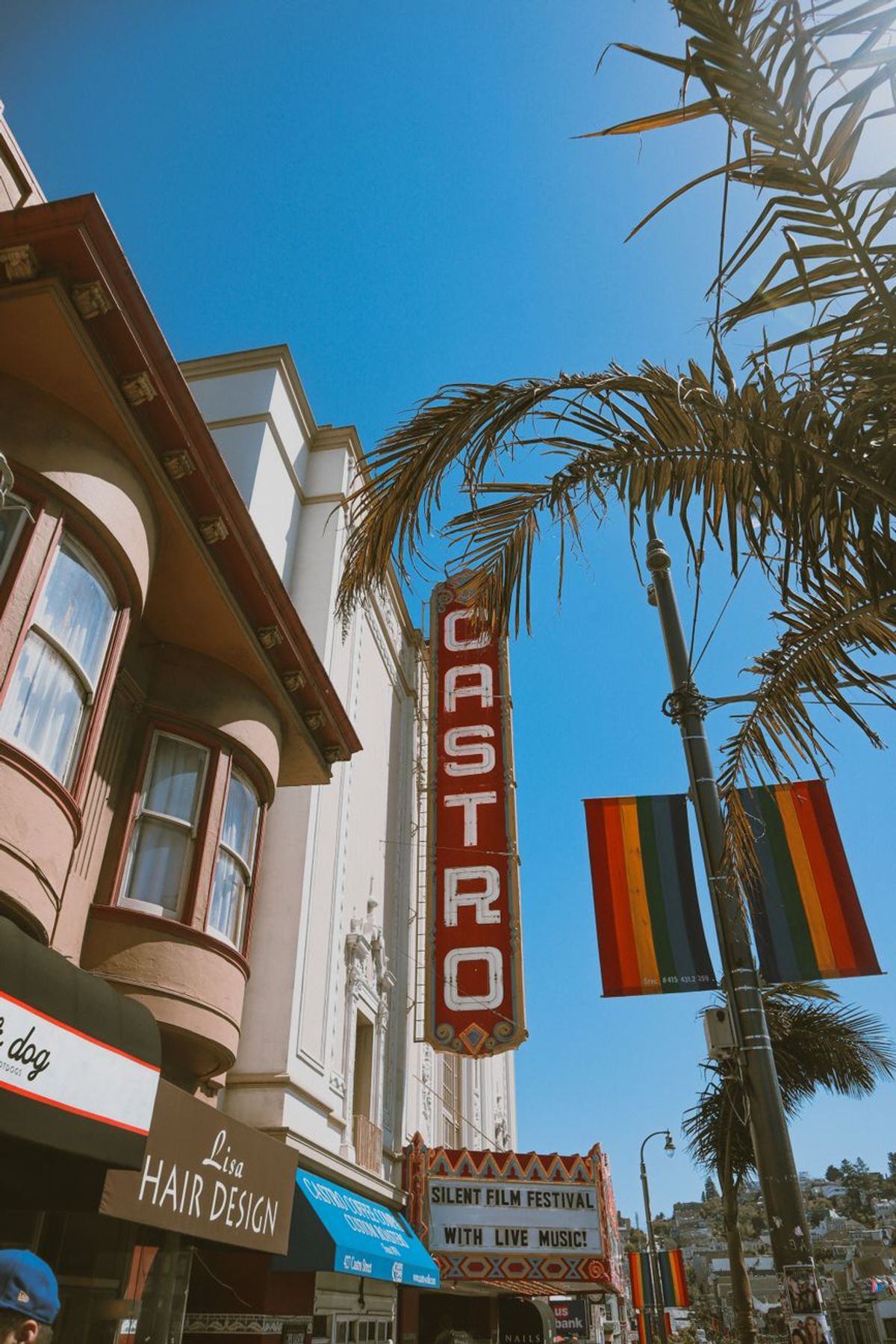
In 1977 voters in San Francisco elected Harvey Milk to the Board of Supervisors. The US National Archives describe him as the first openly gay politician to win public office in California.
Proposition 6: the plan against queer teachers
In 1978 a ballot measure named after state legislator John Briggs went before California voters: Proposition 6, the Briggs Initiative. It would have required public schools to fire gay and lesbian teachers, and the same went for employees who supported gay rights. For a long time the measure looked likely to pass. That it failed was far from a given.
Milk travelled across California and debated Briggs in public. The ACLU recalls that activists trained to canvass door to door. The campaign was made of many small conversations rather than one big moment.
The Hope Speech at Gay Freedom Day
Gay Freedom Day was the community celebration in San Francisco. On June 25, 1978, Milk gave the speech that became known as the "Hope Speech". He pointed to the Declaration of Independence: all men are created equal and endowed with certain inalienable rights, and "you cannot erase those words". He reminded the audience that some 15 to 20 million lesbians and gay men in the country were listening. And he asked: "Jimmy Carter, when are you going to talk about their rights?" Milk addressed the president directly, in front of a crowd.
At the end of June Milk wrote Carter a letter asking for his support against Proposition 6. The original is held in the Jimmy Carter Presidential Library. Carter publicly opposed the initiative. What part the letter played in that is unknown, and the National Archives say so plainly.
Where sources differ
Small contradictions turn up in the research. Two National Archives pages date Milk's letter to Carter June 28, 1978 and June 25, the day of the speech. Accounts also differ on when he took office: Milk was elected in 1977, and most sources put the start of his term in early 1978. Whether Carter's opposition had anything to do with the letter cannot be shown.
The result on November 7, 1978
The vote was decisive. Proposition 6 was rejected by a margin of more than a million votes. For California that meant queer teachers could stay, and the plan to remove them by law was dead.
November 27
On November 27, 1978, Milk and Mayor George Moscone were shot dead in San Francisco City Hall. The killer was Dan White, a former supervisor. The closeness to the won vote makes the loss especially bitter to this day.
In 2009 Milk received the Presidential Medal of Freedom posthumously, the highest civilian honour in the United States.
What this has to do with Pride
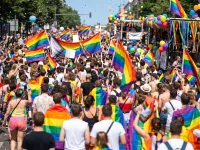
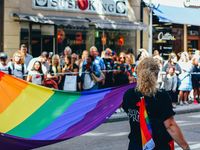
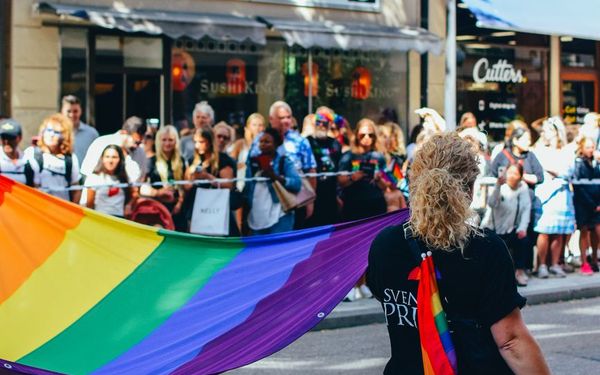
Milk's speech was aimed at millions who, as he put it, were listening very carefully. That is an interpretation, not proof of an effect: visibility was a political tool for him. The idea lives on in marches today. You go, among other reasons, to be counted.
Visibility is not equally safe for everyone, though. Someone who cannot be open at work or in the family is making a decision no outsider should judge. The story of Proposition 6 only shows that laws touching queer people's jobs and standing are not just history.
Where to read more
The Hope Speech and Milk's letter to Carter can be read through DocsTeach and the US National Archives. The Jewish Virtual Library has a short biography. For the wider context, look at the first Pride march in 1970 and the Stonewall uprising, both covered elsewhere on this site.
Frequently asked questions
Sources
- visit.archives.gov · harvey-milk-writes-president
- prologue.blogs.archives.gov · featured-document-harvey-milk
- docsteach.org · milk-hope-speech
- aclunorcal.org · celebrating-harvey-milk-and-defeat-briggs-initiative-aclutim...
- jewishvirtuallibrary.org · Harvey_Milk