
May 2026
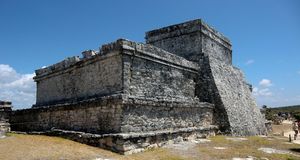
Cancun Pride 2026

Coatzacoalcos Pride 2026

Puerto Vallarta Pride 2026 / Vallarta Pride 2026
June 2026

Merida Pride 2026
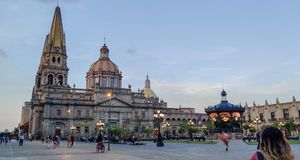
Guadalajara Pride 2026
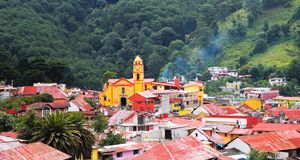
Queretaro Pride 2026

Monterrey Pride 2026

Mexico City Pride 2026

Tijuana Pride 2026
Mexico's Pride movement has evolved from underground resistance to one of Latin America's most vibrant celebrations. The first Pride march in Mexico City took place in 1979, drawing inspiration from global LGBTQ+ struggles. Today, it stands as the country's largest event, attracting massive crowds that turn the streets into a sea of color and defiance against ongoing discrimination.
The flagship Mexico City Pride parade, held annually in late June, is a highlight. In 2024, an estimated 800,000 participants joined the 47th edition under the theme 'Diversity Without Borders: Justice, Resistance, and Unity.' Starting at the Angel of Independence in the bustling Zona Rosa neighborhood, the route winds through iconic avenues like Paseo de la Reforma, ending at the historic Zócalo plaza. Pre-parade mass weddings for same-sex couples, legalized nationwide since 2010, add a celebratory milestone to the festivities.
Legal progress includes same-sex marriage recognition across all states and anti-discrimination laws, yet challenges persist. Mexico ranked as the second most dangerous country for LGBTQ+ people in Latin America in 2024, with 80 reported murders—a 23% increase. Pride events in other cities like Guadalajara and Monterrey echo these themes, focusing on trans rights and anti-violence campaigns. The movement blends joyous parties with urgent activism, drawing international visitors to its electric energy.
For global audiences, Mexico's Pride showcases resilience amid adversity, offering a powerful reminder of the fight for equality. While urban centers like Mexico City feel welcoming, rural areas demand caution due to conservative attitudes. These events unite communities, celebrate love, and demand justice, making them unmissable for Pride enthusiasts worldwide.