
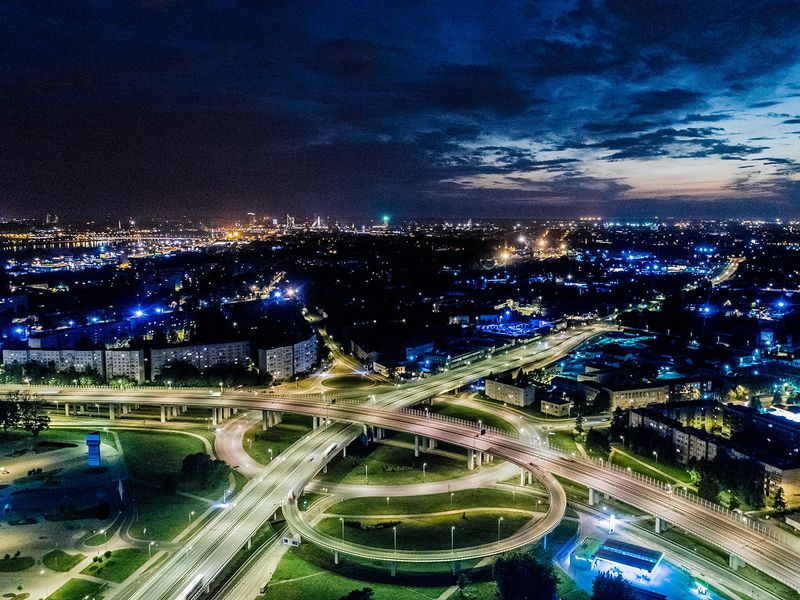
Hotels around Riga
Tap the map for prices and availability.
About Riga Pride
Riga Pride is Latvia's national pride event, held every year in June. It's organised by Mozaīka, the country's national LGBT rights organisation, together with other groups from the community. The march sets off from the Esplanade, a central park in the heart of Riga, before moving through the city centre.
Riga Pride's story is tied to Baltic Pride, which rotates between the three Baltic capitals: Riga, Vilnius and Tallinn. In its early years the event faced open resistance — city and government officials tried to block it, a court overturned that attempt, and counter-demonstrations shadowed the first editions. That period is long past now; Riga later hosted EuroPride, the first time the pan-European event took place in a former Soviet state.
Since then, turnout has grown steadily, from a few hundred marchers in the early days to several thousand today. Alongside the march itself, a wider programme usually runs through the surrounding days, including film screenings, panel discussions and other events exploring queer life in Latvia and the wider region.
For visitors, Riga Pride is both a political demonstration and a celebration — a visible marker of how far Latvia's LGBT movement has come, even if the old controversy hasn't fully faded: conservative voices in politics and society still comment critically on the event.
About Riga
The Pride movement in Riga, Latvia's vibrant capital, represents a beacon of resilience for the LGBTQ+ community amid historical challenges. Emerging from the shadows of Soviet-era secrecy, where queer gatherings occurred in hidden spots, local Pride events have become pivotal for visibility and rights advocacy. The inaugural Pride parade was a hard-won victory through legal battles against city officials citing public morality concerns. Brave participants marched through the city center under police protection, facing counter-protests, to champion equality and acceptance.
Riga's LGBTQ+ history traces back to post-Soviet times, with informal gay and lesbian clubs popping up in private homes and basements. Venues like the 'Closet' bar near the Freedom Monument served as discreet havens. Organizations such as Mozaīka have led the charge, organizing events that draw international support and transforming cultural hubs like the Kaņepes Center into Pride Houses, where rainbow flags fly publicly for the first time in Latvia.
For English-speaking audiences, Riga's Pride scene offers a unique blend of Eastern European grit and growing openness. These events feature parades, film screenings, discussions, and parties that highlight personal stories of defiance. Visitors from the UK, US, and beyond join to experience the community's spirit, often contrasting it with more established Western Prides. The focus on human rights slogans like 'Gay rights are human rights' resonates globally, fostering solidarity.
Today, Riga Pride continues to grow, hosting diverse programs that unite locals and internationals. It embodies the ongoing struggle in a society navigating conservative values and progressive change, making it a compelling destination for those passionate about global LGBTQ+ progress.
Riga Pride – frequently asked questions
From the magazine

Bringing a sign to Pride: Make your point without shutting others out
A Pride sign can make a demand visible without blocking other people out. Practical choices about wording, size, photography and shared space make it work better.
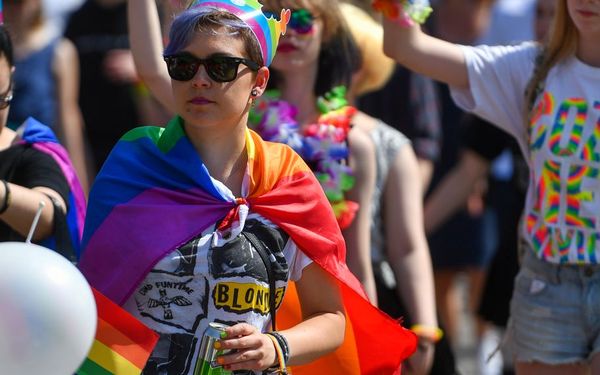
Queer and Seeking Refuge: Why Pride Is a Place of Arrival
For people who fled persecution because of who they are, Pride can be the first place where living openly feels safe. This guide covers the background, the support landscape and what organizers and fellow marchers can do to make the welcome real.
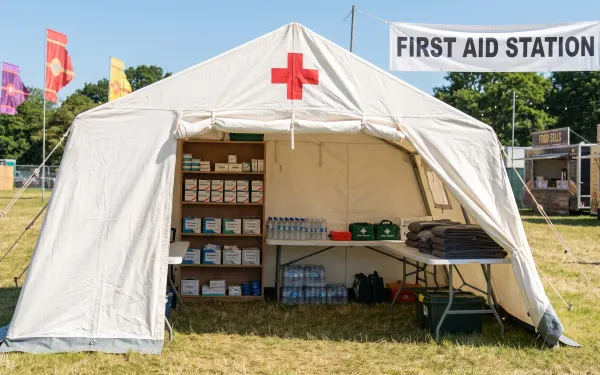
First Aid at Pride: How to Prepare Before You Go
Pride is a long, hot, crowded day. Most incidents stay minor — if organizers provide proper medical cover and attendees know when to ask for help. A practical guide to preparation, heat illness and dense crowds.