
2027 date
The date has not been confirmed yet. Expected June 2027
You will find the date here as soon as it is confirmed. Already know it? Let us know.
Hotels around Sitges
Tap the map for prices and availability.
About Sitges
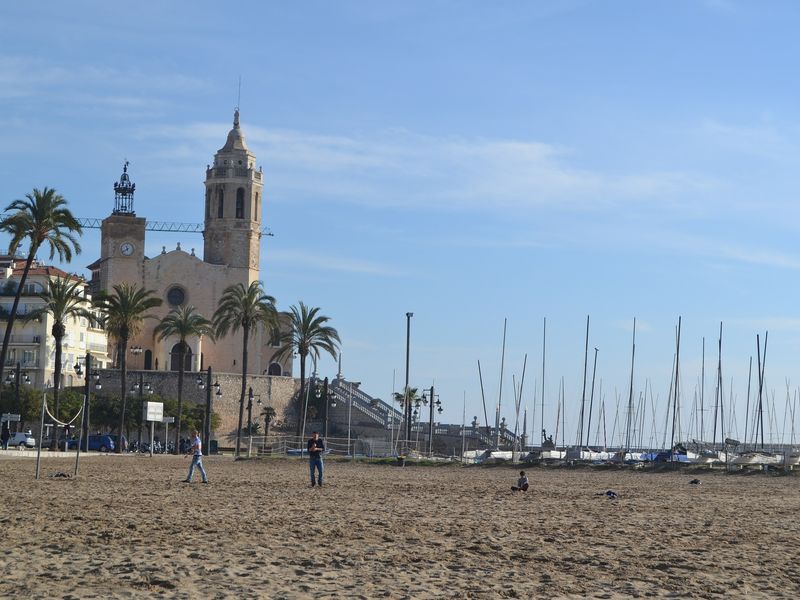
Sitges, a vibrant coastal town near Barcelona, Spain, stands as one of Europe's premier destinations for LGBTQ+ travelers, renowned for its inclusive atmosphere and exuberant Pride celebrations. The Sitges Pride event transforms the town into a colorful explosion of joy, featuring grand parades that wind through the streets, drawing thousands from around the world to march under rainbow flags in a powerful display of unity and visibility.
The local LGBTQ+ community has deep roots in Sitges, evolving from a quiet fishing village into a haven of acceptance. Pioneering artists and intellectuals in the early 20th century laid the groundwork for a bohemian spirit that embraced diversity, fostering an environment where queer individuals could thrive openly. Today, this history infuses Pride with authentic local flavor, blending Catalan traditions with global queer culture through street parties, live performances, and beachfront gatherings.
Parades kick off with dazzling floats and drag queens leading the way, followed by concerts on sun-drenched plazas and after-parties that pulse late into the night. The event highlights Sitges' commitment to equality, with community-led workshops and art installations celebrating queer stories. Beaches like Bassa Rodona become epicenters of festivity, where participants relax by day and dance under the stars.
For English-speaking visitors, Sitges Pride offers a welcoming escape with multilingual events, easy access from Barcelona, and a mix of high-energy nightlife and serene seaside vibes. It's more than a party—it's a timeless affirmation of love, freedom, and belonging in a town that has long championed the rainbow flag.
Sitges Pride – frequently asked questions





Nearby Prides

Barcelona Pride 2026

Zaragoza Pride 2026
From the magazine
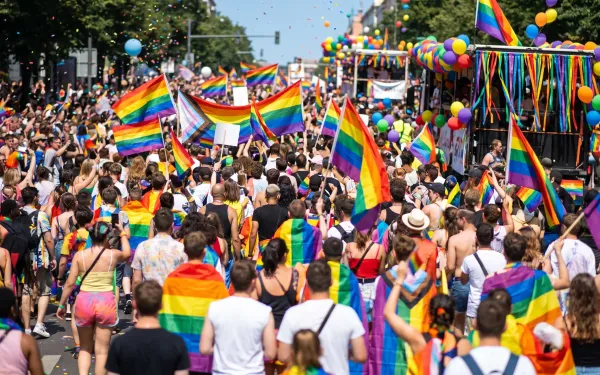
Germany's First Pride (1979): From a Nervous March to a National Tradition
On June 30, 1979, about 450 people marched in Berlin for the first time on the anniversary of Stonewall. A look back at the start of Germany's Pride tradition, the fight against Paragraph 175 and the road to a mass demonstration.
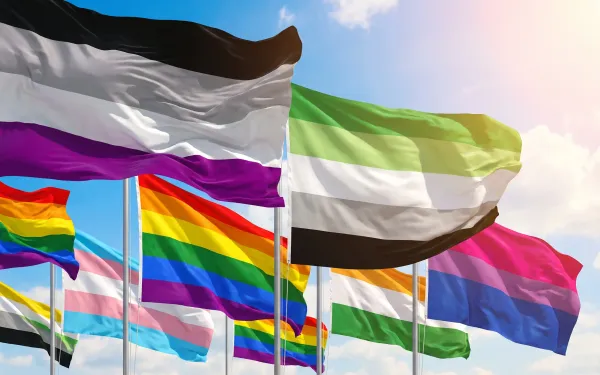
Asexual and Aromantic: What the A in LGBTQIA+ Actually Means
The A in LGBTQIA+ stands for asexual, aromantic and agender, not ally. What these orientations mean, where they differ, and why their visibility at Pride matters.

Pride Anthems: How These Songs Became the Soundtrack of Pride
"I Will Survive," "I'm Coming Out," "Born This Way" turn up at nearly every Pride event. The stories behind how these songs became anthems say a lot about the community that adopted them.