
2027 date
The date has not been confirmed yet. Expected August 2027
You will find the date here as soon as it is confirmed. Already know it? Let us know.
Gaevle Pride programme
Hotels around Gävle
Tap the map for prices and availability.
About Gaevle Pride
Gävle Pride is the annual Pride event of the East Swedish city of Gävle, run by a non-profit association that works closely with the municipality and local businesses. Since its early years, the event has become a fixed date on the summer calendar of the Gästrikland region.
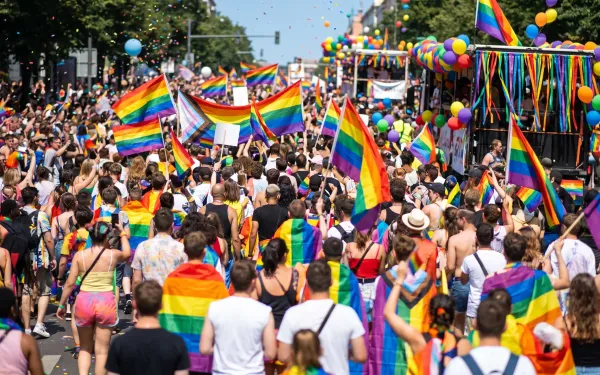
The weekend typically opens with a ceremony on Stortorget, the city's central square. The following day, participants gather at Stenebergsparken before the march sets off and winds through the town centre back to Stortorget. Once it arrives, a rainbow fair opens there with stalls run by local associations, initiatives and businesses, and the day closes with a rainbow service at Mariakyrkan in the Sätra district.
Beyond the march itself, Gävle Pride puts weight on a programme that stretches well past the actual parade day: associations and individuals can register seminars, talks, workshops and panel discussions through the website, so the offering grows from one year to the next. There's also a focus on people who receive support under Sweden's LSS disability law — separate meetings for them are planned throughout the year, not just during the Pride weekend.
The organisation is run by a volunteer board that sees the event as a platform for visibility and exchange among queer people in Gästrikland, a region with few comparable events outside Gävle itself.
About Gaevle
Gävle, a picturesque coastal city in Sweden, hosts vibrant Pride events that celebrate the LGBTQ+ community's spirit and resilience. Local Pride parades wind through the city center, filled with colorful floats, music, and dancers, drawing participants from surrounding areas. These gatherings highlight joy, unity, and advocacy for rights in a progressively inclusive society.
The LGBTQ+ history in Gävle reflects Sweden's long-standing commitment to equality. Early networks formed in cozy cafes and private homes, evolving into public demonstrations and cultural festivals. For English-speaking visitors, particularly from the US or UK, Gävle's Pride offers a refreshing contrast to larger urban spectacles—intimate yet impactful, blending Scandinavian reserve with heartfelt expression. Community-led initiatives focus on intersectionality, mental health workshops, and live performances by regional artists.
Pride week features a mix of daytime activities like riverbank picnics along the Gavleån and evening parties in repurposed warehouses. Local organizations collaborate with schools and businesses for awareness campaigns, fostering everyday acceptance. English speakers appreciate the multilingual signage and welcoming vibe, making it easy to connect with locals over fika, Sweden's cherished coffee tradition that sparks meaningful conversations.
Gävle's scene emphasizes community over commercialization, with art installations and storytelling sessions that honor queer narratives. Volunteers drive the events, ensuring they remain authentic and accessible. As a hidden gem for travelers seeking genuine experiences, Gävle's Pride invites exploration of Sweden's natural beauty intertwined with queer culture, creating lasting memories of solidarity and celebration.
Gaevle Pride – frequently asked questions
From Stenebergsparken, the parade moves through the city centre to Stortorget.

Nearby Prides
From the magazine

First Aid at Pride: How to Prepare Before You Go
Pride is a long, hot, crowded day. Most incidents stay minor — if organizers provide proper medical cover and attendees know when to ask for help. A practical guide to preparation, heat illness and dense crowds.
Christopher Street Liberation Day 1970: The March That Started Pride
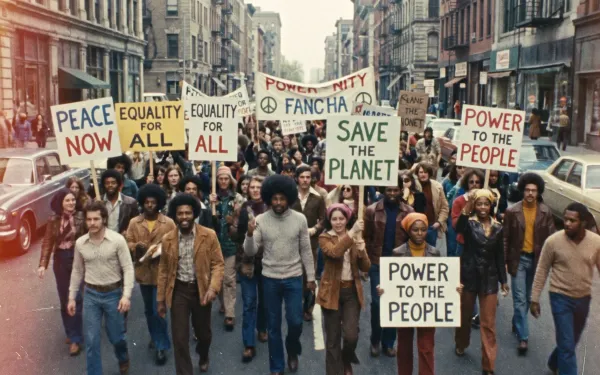
One year after Stonewall, on June 28, 1970, a few thousand people walked up Sixth Avenue in New York behind a banner reading CHRISTOPHER STREET GAY LIBERATION DAY 1970. Here is how that first march became Pride.
Germany's First Pride (1979): From a Nervous March to a National Tradition
On June 30, 1979, about 450 people marched in Berlin for the first time on the anniversary of Stonewall. A look back at the start of Germany's Pride tradition, the fight against Paragraph 175 and the road to a mass demonstration.