
Hotels around Halmstad
Tap the map for prices and availability.
About Halmstad
Halmstad celebrates Pride on a single day in August, right in the middle of town in Norre Katts Park, the park next to the city centre. It is a joint event of the Halmstad Pride association and the municipality. The association runs the parade and the Pride Park, while the city takes care of the stage programme and the stands of its own services.
The day opens around midday with the Pride Park, where associations, public authorities and other organisations set up stands. In the afternoon a DJ warms up the crowd before the parade sets off through the city and loops back to the park. After that the stage belongs to live acts. In the evening the municipal concert series Musik i Parken takes over on the same stage, so the park stays busy until late at night.
The Church of Sweden also has a stand. Couples can get married there on the spot, provided they have applied in advance to the Swedish Tax Agency, Skatteverket, for the required certificate that there is no impediment to marriage. Couples who are already married can renew their vows.
Pride in Halmstad has not always run smoothly. The Halmstad Pride association, an umbrella of several member organisations, was dissolved at one point because the members found it hard to work together. RFSU Halland, the Swedish association for sexuality education, had voted against the dissolution and went on to organise its own Pride day with a parade and a stage in Norre Katts Park, held in September at the time. The association has since been revived and now organises Pride together with the municipality.
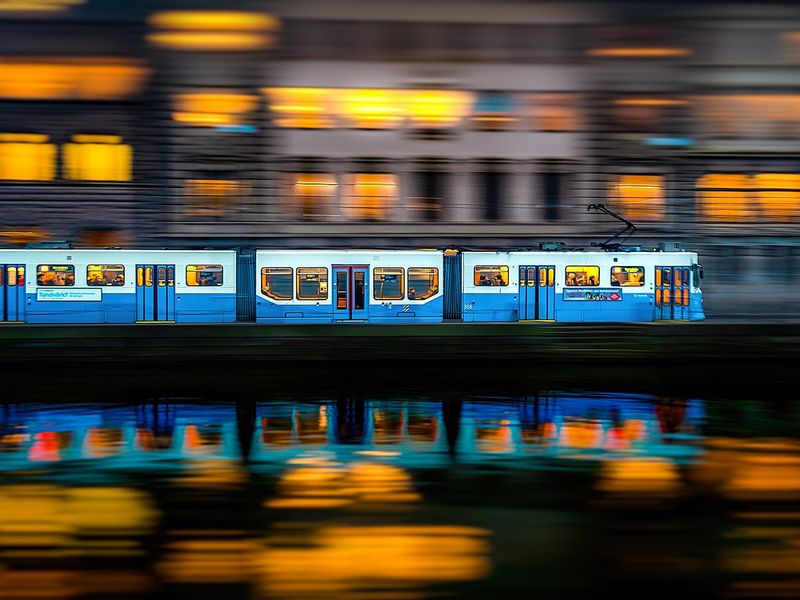
For a bigger celebration, Gothenburg is the place to go. West Pride takes place there every June, and during the festival the whole city flies rainbow flags.

From the magazine
Reading the ILGA-Europe Rainbow Map: What the Ranking Measures and What It Does Not
Every May ILGA-Europe colours in Europe. How the Rainbow Map is built, what the 2026 edition shows and why it is not a travel guide.
Section 28: Britain's Law Against "Promoting Homosexuality" (1988 to 2003)
Section 28 barred British local authorities from "promoting" homosexuality. What the law said, how it shaped schools, how people protested it and when it was repealed.
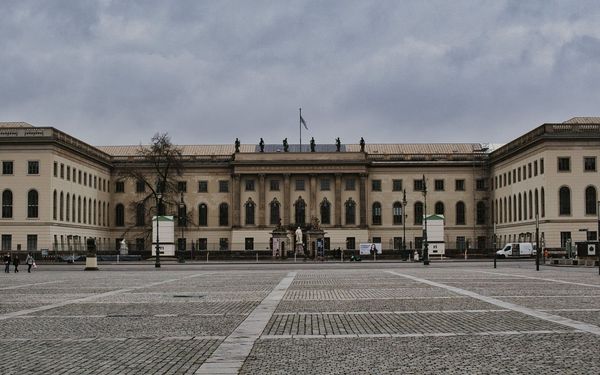
Magnus Hirschfeld and His Institute: What Was Lost on 6 May 1933
Long before Stonewall, Berlin had a place where homosexual people found advice and recognition. How the Institute for Sexual Science began and why it was destroyed in 1933.