
2027 date
The date has not been confirmed yet. Expected February 2027
You will find the date here as soon as it is confirmed. Already know it? Let us know.
Hotels around Skellefteå
Tap the map for prices and availability.
About Skelleftea
Skellefteå celebrates Pride in winter. While most Swedish Prides take place in summer, Skellefteå Pride is held every February as a week of events with a parade, talks and a closing party. It has now been running for more than ten years.
The week is organised by RFSL Skellefteå, the local branch of Sweden's national federation for lesbian, gay, bisexual, trans and queer rights. In the early years RFSL ran everything itself. Today it mainly coordinates, because the programme comes from many directions: the cultural centre, the library, the church, local associations and sports clubs from across the municipality all add their own events. The regional sports federation in Västerbotten has called on clubs to join the parade with their own teams. RFSL Skellefteå received the municipality's democracy award for its work, which includes the Pride week, open meetings and the parade.
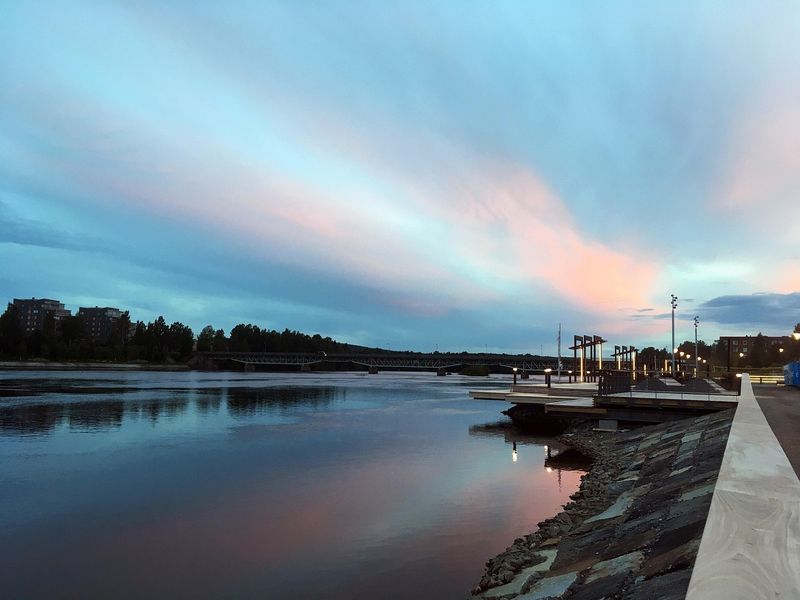
The main event is the Saturday parade. In recent editions it set off at midday from Nordanå, the cultural quarter by the river, and marched through the town centre to Guldtorget square. Around it there are talks and author readings, some of them at the Sara cultural centre, a rainbow service at Sankt Olovs kyrka, a DJ night and a final party with dancing.
The audience comes from well beyond the town. RFSL Skellefteå also covers the municipalities of Norsjö, Malå, Storuman and Sorsele, a large part of the sparsely populated inland of Västerbotten. For many queer people living there, the February week in Skellefteå is the nearest chance to be part of a visible queer public. The current programme is published on skellefteapride.se, and RFSL Skellefteå is the point of contact.
Skelleftea Pride – frequently asked questions
From the magazine
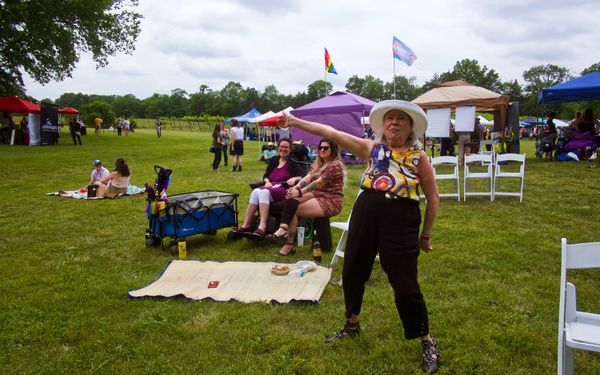
Volunteering at Pride: What happens behind the scenes
Pride events rely on people at information points, around the venue and behind the scenes. This guide helps you choose a role and arrive with realistic expectations.
Pride is a public assembly, not a favour
Pride is often festive, but it is also a way to gather publicly and demand equality. What that means for organisers and visitors.

Bringing a sign to Pride: Make your point without shutting others out
A Pride sign can make a demand visible without blocking other people out. Practical choices about wording, size, photography and shared space make it work better.