

2027 date
The date has not been confirmed yet. Expected July 2027
You will find the date here as soon as it is confirmed. Already know it? Let us know.
Hotels around Long Beach
Tap the map for prices and availability.
About Long Beach
Long Beach, California, stands as a vibrant hub for Pride celebrations in the United States, where annual Pride parades transform the city into a sea of rainbow colors and joyous energy. Thousands march through the streets, waving flags, donning elaborate costumes, and dancing to upbeat music, all in celebration of LGBTQ+ visibility, love, and resilience. These events blend festivity with advocacy, honoring the ongoing fight for equality.
The LGBTQ+ community in Long Beach boasts a storied past, rooted in the courage of early activists who built safe spaces amid adversity. Neighborhoods here became sanctuaries for lesbians, gay men, bisexuals, transgender individuals, and queer folks, fostering networks of support and solidarity. From grassroots gatherings to cultural showcases, the city has long nurtured a spirit of defiance and creativity. Pride Month kicks off with a flurry of activities: street fairs, panel discussions, art exhibits, and beach parties that draw diverse crowds.
For English-speaking visitors, Long Beach Pride offers an accessible entry into California's progressive queer scene. The parade route winds through downtown, culminating in waterfront stages featuring live performances and speakers. The event's inclusive vibe welcomes newcomers, with family-friendly zones alongside high-energy after-parties. Local history shines through stories of trailblazers who shaped policies and perceptions, making Long Beach a beacon for rights advancements.
Beyond the main parade, ongoing initiatives like community centers and youth programs keep the momentum alive. Pride here embodies empowerment, inviting everyone to join the march toward a more equitable world. Whether you're a local or traveler, Long Beach Pride captures the essence of unity, joy, and unapologetic self-expression that defines the movement.
Long Beach Pride – frequently asked questions


Nearby Prides

Santa Ana Pride 2026

Los Angeles Pride 2026

Palm Springs Pride 2026

San Diego Pride 2026
From the magazine

Transgender Day of Remembrance: Where It Comes From and How to Take Part
Every year around 20 November, vigils remember trans people who were killed. The origin of the day, the latest Trans Murder Monitoring figures and practical ways to take part (as of October 2026).
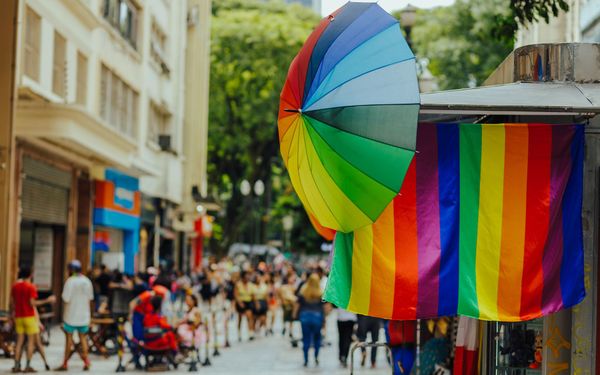
Going to Pride Alone: Plan Your First Visit at Your Own Pace
Going to Pride alone is common, and it can give you room to decide what feels right. A simple plan for arrival, breaks and your journey home helps you stay open to the day.
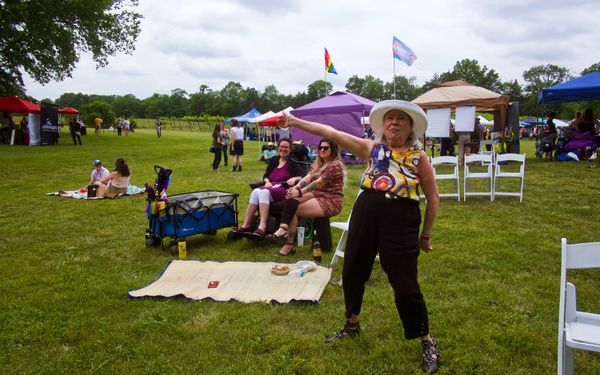
Volunteering at Pride: What happens behind the scenes
Pride events rely on people at information points, around the venue and behind the scenes. This guide helps you choose a role and arrive with realistic expectations.