

Hotels around St. John's
Tap the map for prices and availability.
About St. John's
St. John’s Pride is a volunteer-run nonprofit that organizes the city’s annual Pride festival every July. The festival spreads dozens of events over more than a week: drag nights, dance parties, panels and family events. Its centrepiece is the Pride Parade on a Sunday in July, which draws several thousand people. A few days later the Trans March follows along Water Street. The provincial government of Newfoundland and Labrador describes St. John’s Pride as the province’s leading Pride organization and funds its work, which includes support for smaller Pride groups in rural communities such as Gander.
Organized queer life in the city goes back decades. In the seventies the Community Homophile Association of Newfoundland (CHAN) published a newsletter called AboutFace. In the early nineties the activist group Gays And Lesbians Together (GALT) revived it, ran a phone line together with the Newfoundland Amazon Network and campaigned to add sexual orientation to the provincial Human Rights Code. At GALT’s request, city council officially recognized Pride Week, making St. John’s one of the first Canadian cities to do so. The early marches were called the March for Freedom, started at City Hall and often drew only a few dozen people. The Newfoundland Amazon Network, a lesbian organization, co-organized some of the earliest parades with the group NGALE, while the St. John’s Status of Women Council gave queer groups meeting space and training.
On the legal side, same-sex marriage has been legal nationwide since the mid-noughties, and both federal and provincial human rights law cover sexual orientation and gender identity. Besides St. John’s Pride, local groups include Trans Support NL, which supports trans and non-binary people, and Quadrangle, a charity working to open a 2SLGBTQIA+ community centre for the whole province.
From the magazine
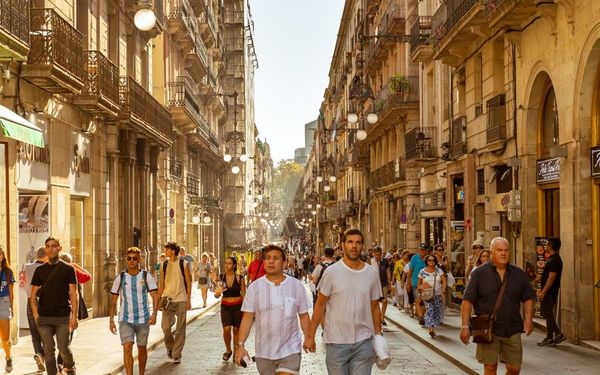
Barcelona 1977: Spain's First Pride March on La Rambla
On 26 June 1977, several thousand people marched without permission up La Rambla in Barcelona and demanded the end of a law that criminalised homosexuality. What happened and what came of it.
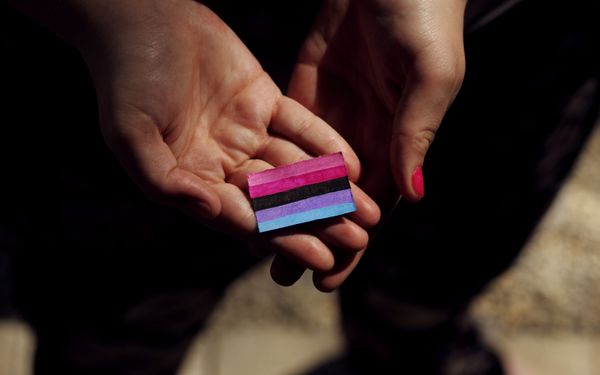
Bi Visibility Day and the Bi Flag: Where They Come From and What They Mean
23 September is Bi Visibility Day. Who started it, what the pink, purple and blue flag stands for, and how you can make bisexual people visible at Pride and in everyday life.
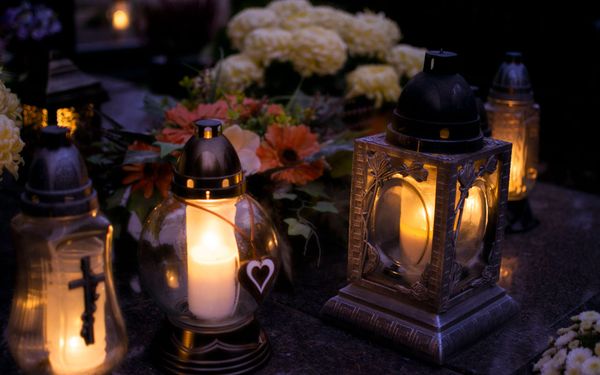
Transgender Day of Remembrance: Where It Comes From and How to Take Part
Every year around 20 November, vigils remember trans people who were killed. The origin of the day, the latest Trans Murder Monitoring figures and practical ways to take part (as of October 2026).