
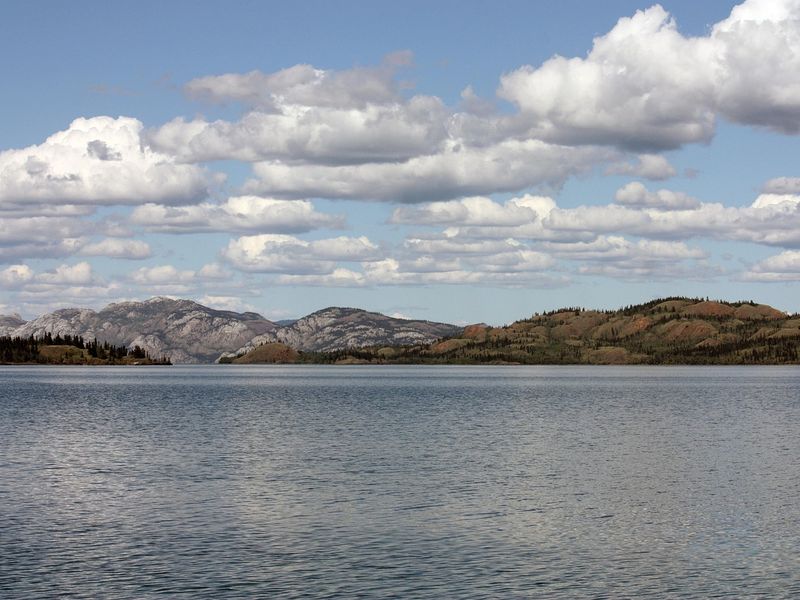
Hotels around Whitehorse
Tap the map for prices and availability.
About Whitehorse
In Whitehorse, the capital of Canada's Yukon Territory, the Pride movement thrives amid stunning northern landscapes. The local LGBTQ+ community has built a vibrant presence, organizing Pride events that highlight inclusivity and joy. Pride parades wind through the downtown streets, drawing locals and visitors to celebrate diversity with music, dance, and colorful displays under the midnight sun.
The history of the queer scene in Whitehorse echoes the territory's rugged pioneer past, where LGBTQ+ individuals found camaraderie in remote outposts and gatherings. Today's Pride events honor this legacy through storytelling sessions, art exhibits, and community forums that foster connection and empowerment. For English-speaking audiences, these celebrations stand out for their emphasis on personal narratives and resilience, blending frontier spirit with modern queer advocacy.
Key events include the main parade, accompanied by workshops on intersectional identities, film screenings, and family-friendly picnics. The community actively incorporates Indigenous two-spirit perspectives, reflecting Yukon's First Nations heritage and enriching the Pride with cultural depth. Sports tournaments and outdoor adventures tailored for queer participants add an adventurous twist, making it a unique draw for those seeking active engagement.
Pride in Whitehorse promotes education and allyship across the region, partnering with schools and businesses to create safer spaces. Amid the aurora-lit skies, these gatherings symbolize hope and unity, inviting everyone to embrace authenticity in one of Canada's most scenic locales. Whether joining a march or a quiet vigil, participants leave inspired by the community's warmth and determination.
From the magazine
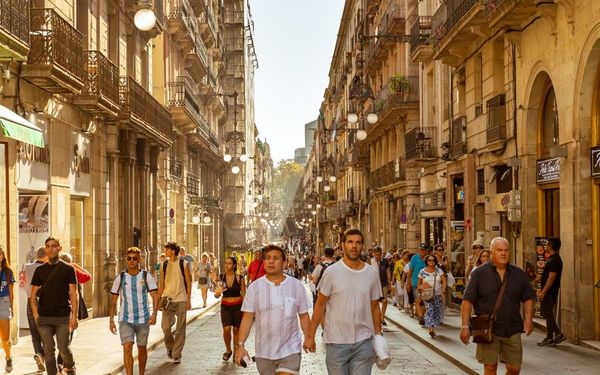
Barcelona 1977: Spain's First Pride March on La Rambla
On 26 June 1977, several thousand people marched without permission up La Rambla in Barcelona and demanded the end of a law that criminalised homosexuality. What happened and what came of it.
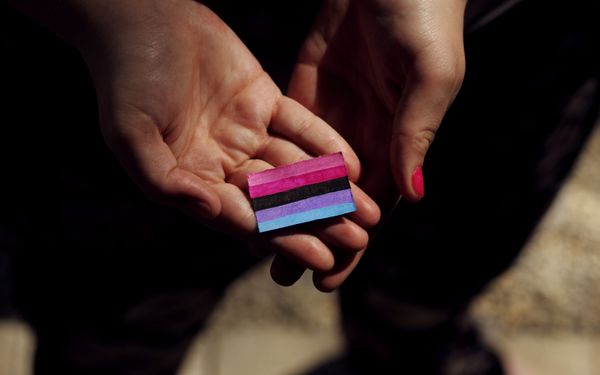
Bi Visibility Day and the Bi Flag: Where They Come From and What They Mean
23 September is Bi Visibility Day. Who started it, what the pink, purple and blue flag stands for, and how you can make bisexual people visible at Pride and in everyday life.
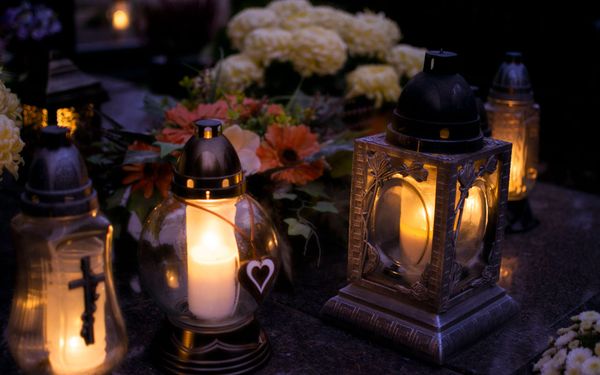
Transgender Day of Remembrance: Where It Comes From and How to Take Part
Every year around 20 November, vigils remember trans people who were killed. The origin of the day, the latest Trans Murder Monitoring figures and practical ways to take part (as of October 2026).