

2027 date
The date has not been confirmed yet. Expected June 2027
You will find the date here as soon as it is confirmed. Already know it? Let us know.
Hotels around Dijon
Tap the map for prices and availability.
About Dijon Pride
Dijon's Pride march ranks among the most overtly political Pride events in eastern France. Unlike many bigger cities, where a single association runs the show year after year, Dijon's march is typically carried by a shifting coalition: feminist collectives, union-aligned groups such as Solidaires, and the human rights league LDH have taken turns organizing it, sometimes together, sometimes separately.
That loose structure shows in the tone of the event itself. Dijon's Pride reads less like a citywide street party and more like a protest march that leans deliberately on its origins — the Stonewall uprising that gave the movement its first Pride. Organizers have pushed back firmly against the local prefecture when the requested route through the city center wasn't approved, leading to recurring friction over where the march is allowed to go.
For the queer community in Burgundy, the Dijon march still holds its place on the calendar regardless. Alongside the Pride events in Besançon and Chalon-sur-Saône, it's one of the main chances in the region to be visibly out on the street. Anyone planning to join is best off checking Instagram, where the current organizing collective posts the confirmed date and meeting point closer to the event.
Turnout varies noticeably from year to year, tracking how tense relations with the authorities are and how many groups pitch in on the organizing side. What stays constant is the setting: Dijon, capital of the Bourgogne-Franche-Comté region, home to a small but active queer community.
About Dijon
Dijon, the charming capital of Burgundy in eastern France, boasts a vibrant LGBTQ+ scene centered around its annual Pride celebrations. The Pride parade transforms the city's historic heart into a riot of colors, with marchers waving rainbow flags along routes that pass landmarks like the Palais des Ducs and Place de la Libération. These events draw crowds from across the region, blending music, dance, and advocacy for equality and acceptance.
The local queer history is rooted in grassroots efforts where early activists gathered in hidden cafés and private homes to challenge societal norms and fight for visibility. Over time, Dijon evolved into a hub for regional queer culture, hosting film festivals, art exhibitions, and discussion panels that explore identity, history, and rights. Community centers serve as safe spaces for networking and support, fostering a sense of belonging amid the city's rich heritage.
For English-speaking visitors, Dijon's Pride stands out due to its welcoming international vibe. The events often feature performances appealing to global audiences, including indie bands and spoken-word artists with broad appeal. Proximity to Germany and Switzerland makes it a convenient spot for cross-border pride-goers, with collaborations that infuse European flair. Travelers appreciate the blend of French elegance and inclusive energy, making it ideal for those seeking authentic queer experiences.
Beyond the main parade, ongoing activities like queer theater nights and pop-up markets keep the momentum alive year-round. Dijon's Pride movement exemplifies resilience and joy, inviting everyone to join in celebrating diversity in a city where history meets progress.
Dijon Pride – frequently asked questions


Nearby Prides

Lyon Pride 2026

Strasbourg Pride 2026
From the magazine
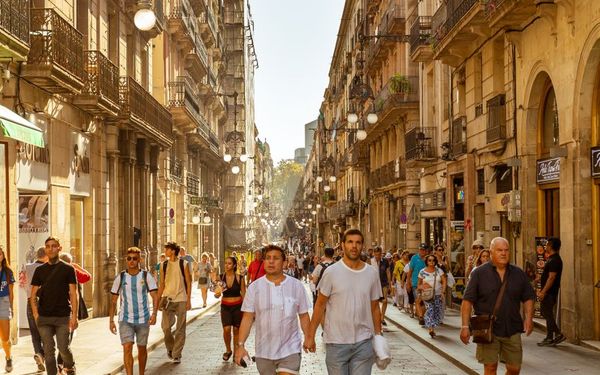
Barcelona 1977: Spain's First Pride March on La Rambla
On 26 June 1977, several thousand people marched without permission up La Rambla in Barcelona and demanded the end of a law that criminalised homosexuality. What happened and what came of it.
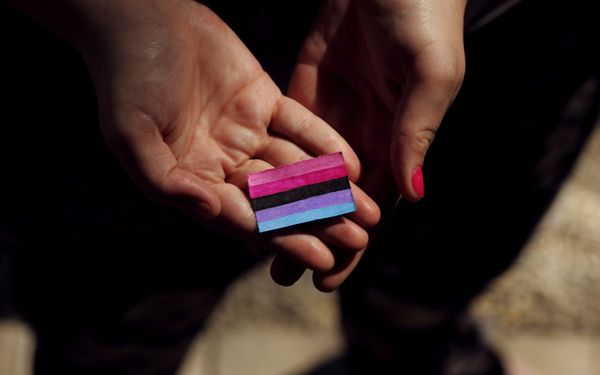
Bi Visibility Day and the Bi Flag: Where They Come From and What They Mean
23 September is Bi Visibility Day. Who started it, what the pink, purple and blue flag stands for, and how you can make bisexual people visible at Pride and in everyday life.
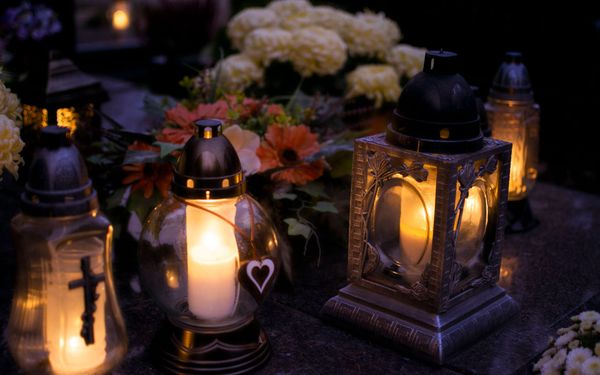
Transgender Day of Remembrance: Where It Comes From and How to Take Part
Every year around 20 November, vigils remember trans people who were killed. The origin of the day, the latest Trans Murder Monitoring figures and practical ways to take part (as of October 2026).