

2027 date
The date has not been confirmed yet. Expected June 2027
You will find the date here as soon as it is confirmed. Already know it? Let us know.
Hotels around Metz
Tap the map for prices and availability.
About Metz
Pride events in Metz, a vibrant city in northeastern France, embody the spirit of unity and celebration within the LGBTQ+ community. Local Pride parades draw thousands of participants who march through the streets with rainbow flags, advocating for acceptance and equality. These gatherings feature live music, dance performances, and cultural programs that highlight the community's diversity, often centered in the heart of the city.
The history of the LGBTQ+ community in Metz is intertwined with the Lorraine region's cross-border influences, particularly appealing to English-speaking visitors from nearby countries. Local activism has fostered a welcoming environment through initiatives like queer film festivals and discussion groups. Organizations such as Couleurs Gaies play a key role, offering structured groups by age and interests to build strong networks and support systems.
Metz Pride goes beyond festivities; it honors the ongoing struggle against discrimination and promotes inclusivity in a city rich in cultural heritage. Parades typically conclude with parties in parks or along the Moselle River, where achievements are celebrated and future goals are shared. For English-speakers, the event offers a blend of French flair and accessible international vibes, making it a standout destination.
These events position Metz as a beacon for queer individuals in the area, living out tolerance and diversity. The movement continues to expand, engaging new generations with creativity and commitment to carry forward this proud tradition.
Metz Pride – frequently asked questions
Nearby Prides

Strasbourg Pride 2026

Karlsruhe Pride 2026

Mannheim Pride 2026

Wiesbaden Pride 2026
From the magazine
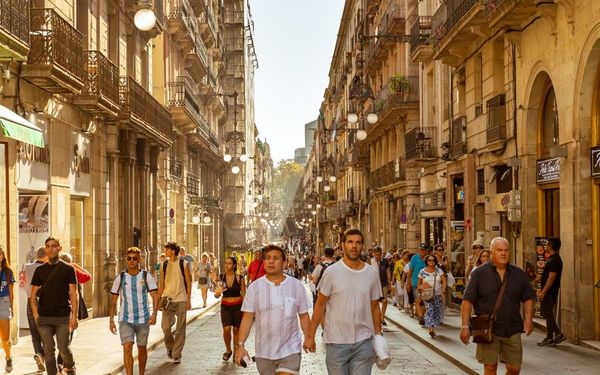
Barcelona 1977: Spain's First Pride March on La Rambla
On 26 June 1977, several thousand people marched without permission up La Rambla in Barcelona and demanded the end of a law that criminalised homosexuality. What happened and what came of it.
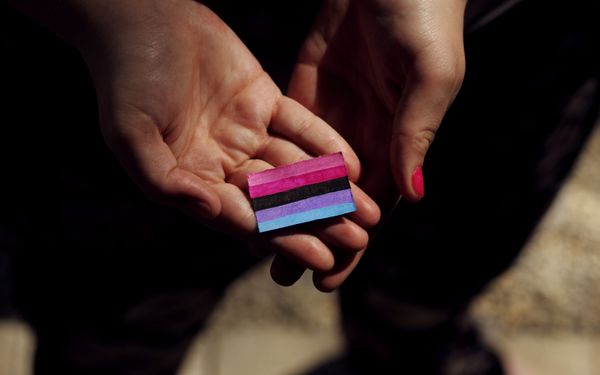
Bi Visibility Day and the Bi Flag: Where They Come From and What They Mean
23 September is Bi Visibility Day. Who started it, what the pink, purple and blue flag stands for, and how you can make bisexual people visible at Pride and in everyday life.
Transgender Day of Remembrance: Where It Comes From and How to Take Part
Every year around 20 November, vigils remember trans people who were killed. The origin of the day, the latest Trans Murder Monitoring figures and practical ways to take part (as of October 2026).