
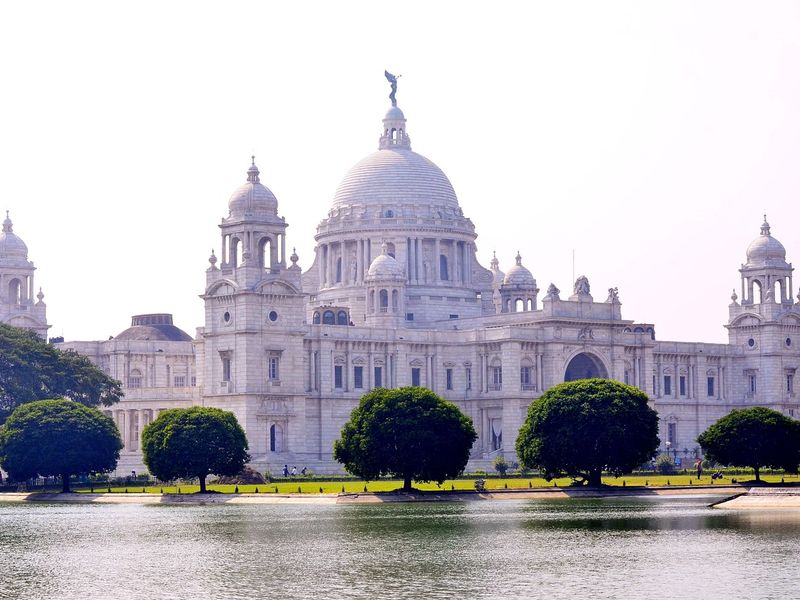
Hotels around Calcutta
Tap the map for prices and availability.
About Calcutta
Kolkata, the vibrant heart of India, hosts a dynamic LGBTQ+ scene where Pride events serve as powerful beacons of visibility and unity. These colorful parades wind through the city's bustling streets, drawing crowds that celebrate diversity with music, dance, and bold displays of identity. Participants from all walks of life join in, turning the event into a massive festival of acceptance amid the urban energy.
The local LGBTQ+ history in Kolkata is one of resilience and quiet rebellion. Emerging from underground networks, the community has leveraged the city's rich artistic heritage – from poetry slams to theater productions – to voice their stories. Neighborhoods like Park Street have long been hubs for discreet gatherings, evolving into spaces where friendships form and advocacy grows. Influenced by Bengal's progressive cultural traditions, queer voices have found expression in literature and film, challenging taboos and fostering dialogue.
For English-speaking visitors, Kolkata's Pride offers a unique blend of Eastern spirituality and modern activism. Travelers from the UK, US, and beyond appreciate the inclusive vibe, where international solidarity amplifies local efforts. Community-led workshops on health, rights, and allyship provide engaging entry points, while the parade's infectious energy invites everyone to participate. It's a chance to witness how global Pride movements intersect with local customs, creating moments of profound connection.
These events extend beyond the streets into workshops, art exhibitions, and panel discussions that address intersectional issues like class and caste within queerness. Supported by artists, educators, and young activists, Kolkata's Pride embodies hope, pushing for greater legal protections and social change. In this megacity of contrasts, it stands as a testament to the enduring spirit of the LGBTQ+ community, inviting the world to join in the celebration of love and equality.
From the magazine
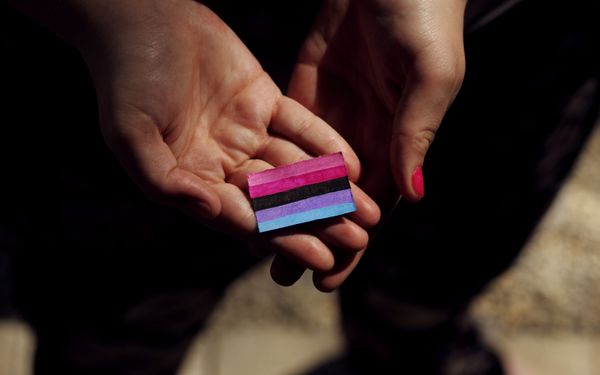
Bi Visibility Day and the Bi Flag: Where They Come From and What They Mean
23 September is Bi Visibility Day. Who started it, what the pink, purple and blue flag stands for, and how you can make bisexual people visible at Pride and in everyday life.
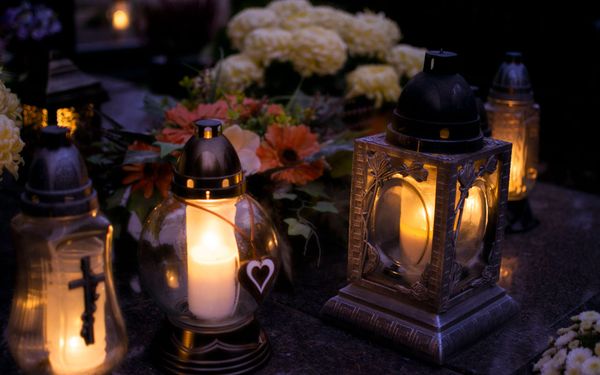
Transgender Day of Remembrance: Where It Comes From and How to Take Part
Every year around 20 November, vigils remember trans people who were killed. The origin of the day, the latest Trans Murder Monitoring figures and practical ways to take part (as of October 2026).
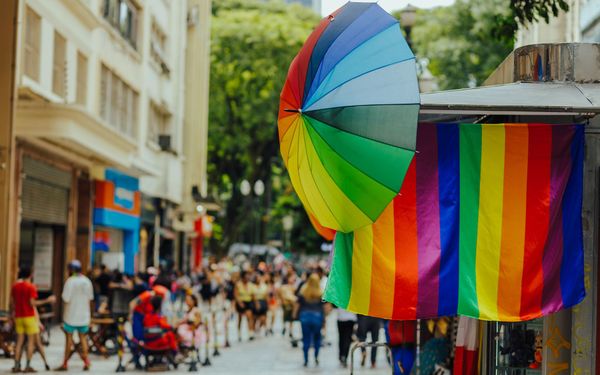
Going to Pride Alone: Plan Your First Visit at Your Own Pace
Going to Pride alone is common, and it can give you room to decide what feels right. A simple plan for arrival, breaks and your journey home helps you stay open to the day.