
Hotels around Reggio di Calabria
Tap the map for prices and availability.
About Reggio di Calabria
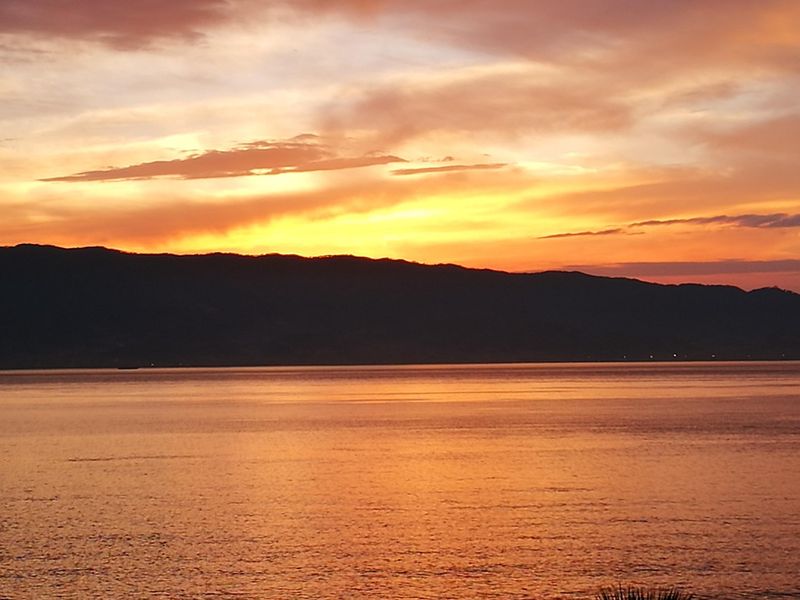
Reggio di Calabria, perched on the Strait of Messina with stunning views of Sicily, has emerged as a vibrant hub for **Pride** celebrations in southern Italy. The annual Pride parade draws thousands, transforming the city's historic streets into a rainbow river of joy, activism, and solidarity. Starting from central spots like the Villa Comunale or Umberto I Gardens, the march winds through Corso Garibaldi to the seafront Arena dello Stretto, culminating in live music, speeches, and beach parties that pulse late into the night.
The LGBTQ+ community here has a rich legacy of resilience amid Italy's conservative south. Local Arcigay chapters lead the charge, offering support networks, awareness campaigns, and advocacy that bridge generational divides. Pride events highlight intersectional issues, linking queer rights to feminism, migrant struggles, and peace activism, creating a welcoming space for families, allies, and elders alike. Performances like collective body art and flash mobs underscore themes of affection as revolution, fostering visibility in a region long shadowed by prejudice.
For English-speaking travelers, Reggio offers unique draws: its ancient Greek roots echo tales of diverse identities, while the Mediterranean vibe pairs perfectly with inclusive nightlife. International visitors connect through Pride's global calls for dignity, from trans rights to family recognition, resonating with worldwide movements. The event's spirit of resistance against discrimination inspires, especially as it unites locals with tourists in demands for universal freedoms.
Reggio's Pride stands as a beacon of progress, encouraging self-acceptance and community building. It's more than a parade—it's a testament to the power of visibility in peripheral Italy, where margins birth bold fights for equality. Visitors leave empowered, carrying the city's colorful energy across borders.
Nearby Prides
From the magazine
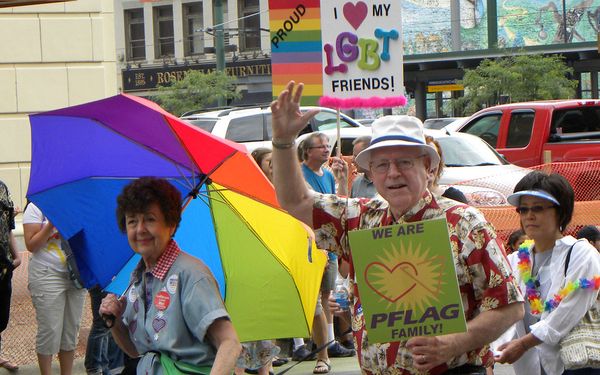
The Dyke March: The Story Behind the Parade That Never Asks Permission
Since 1993, Dyke Marches have run in cities worldwide without permits, sponsors, or floats. Here's how a march built by and for lesbians became one of Pride season's most enduring traditions.
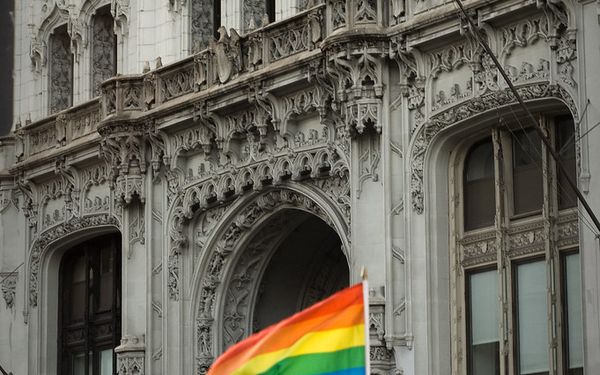
Rainbow-Washing at Pride: How to Tell Real Support from Marketing
A rainbow logo in June says little about what a company does the other eleven months. Here's how to read corporate Pride sponsorship with a critical eye, and why that skill matters more since 2025.
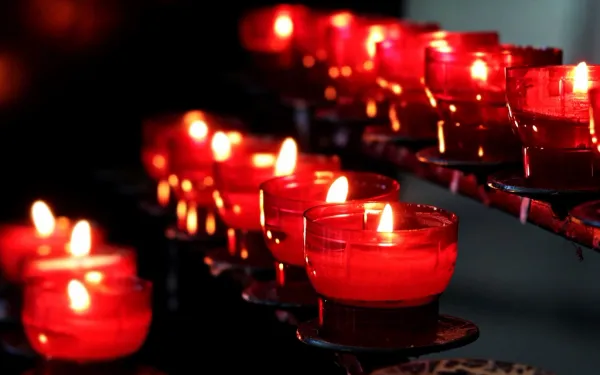
Faith and Pride: How LGBTQ+ People of Faith Built Their Own Spaces
For more than fifty years, queer Christians, Muslims, and members of other faiths have built their own organizations and marched in their own blocs at Pride. A look at the history, from the first LGBTQ+-affirming church to a stall at Berlin Pride today.