
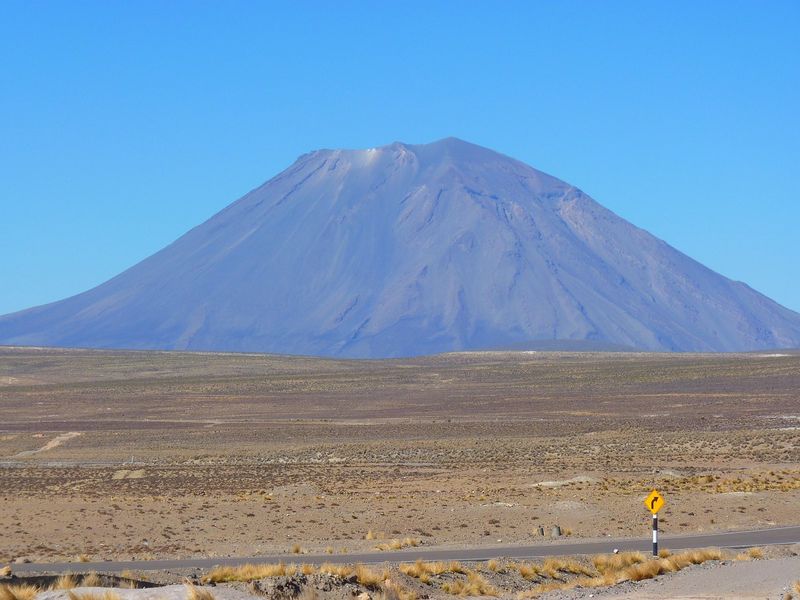
Hotels around Arequipa
Tap the map for prices and availability.
About Arequipa
The Marcha del Orgullo is the biggest public event of Arequipa's LGBTQ+ community and of southern Peru as a whole. It takes place once a year, usually in late June or on the first Saturday of July. The march is run by the Colectivo Marcha del Orgullo LGTBIQ Arequipa, an alliance of local groups that includes the Red LGTB Arequipa, Movimiento Lesbia, feminist collectives and organisations of trans people.
It does not start at the main square. People gather in the early afternoon at Parque Mayta Cápac in the Miraflores district, where there is music, speeches and information stands. The march then covers roughly two and a half kilometres along Avenida San Martín, Avenida La Paz and Avenida Siglo XX to Plaza España, and on through the streets of the Cercado until it reaches the Plaza de Armas. A cultural evening with concerts and short performances often follows.
In recent editions several thousand people have taken part: students, families and plenty of allies. The organisers are clear that this is a political demonstration rather than a street party. They march for legal recognition of same-sex couples, for protection against violence and for the right of trans people to have their name on their ID card. Arequipa has a reputation as a conservative, strongly Catholic city, and the march felt that from the very beginning. At the first one, the mayor of the day refused to let floats onto the main square. The marchers went in anyway, on foot.
Visitors are welcome to join. The city sits at around 2,300 metres and the midday sun is fierce, so bring a hat, sunscreen and water. The collective announces the date and exact route on its social media channels each year, often only a few weeks ahead.
From the magazine
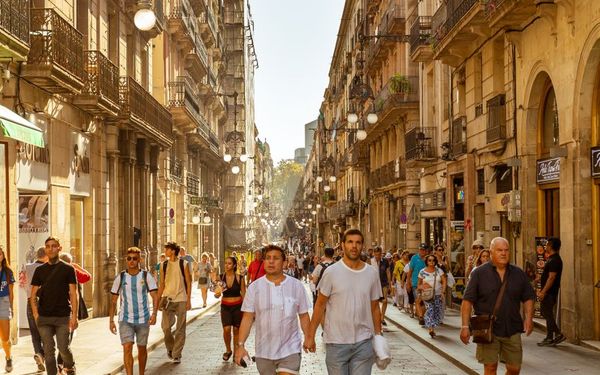
Barcelona 1977: Spain's First Pride March on La Rambla
On 26 June 1977, several thousand people marched without permission up La Rambla in Barcelona and demanded the end of a law that criminalised homosexuality. What happened and what came of it.
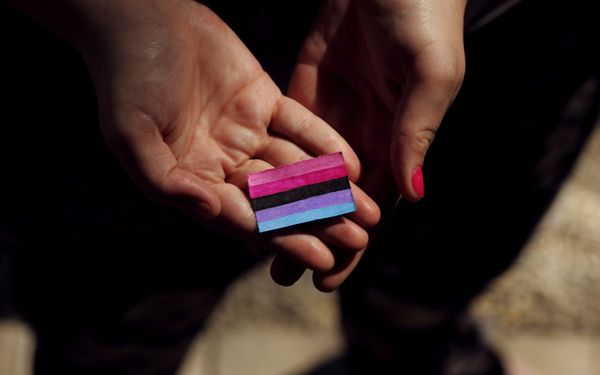
Bi Visibility Day and the Bi Flag: Where They Come From and What They Mean
23 September is Bi Visibility Day. Who started it, what the pink, purple and blue flag stands for, and how you can make bisexual people visible at Pride and in everyday life.
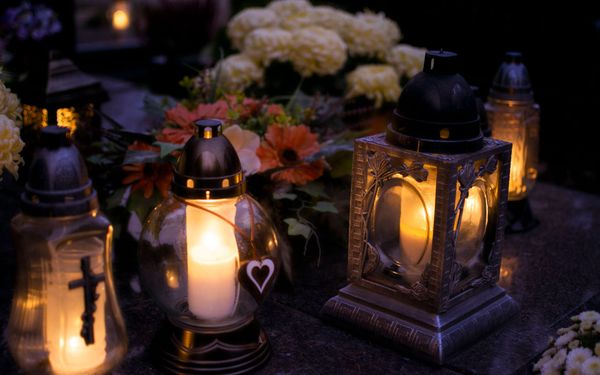
Transgender Day of Remembrance: Where It Comes From and How to Take Part
Every year around 20 November, vigils remember trans people who were killed. The origin of the day, the latest Trans Murder Monitoring figures and practical ways to take part (as of October 2026).