

Hotels around Tacna
Tap the map for prices and availability.
About Tacna
Tacna lies in the far south of Peru, about 35 kilometres north of the Chilean border in the valley of the Río Caplina. The trading city on the edge of the desert has a conservative reputation, yet it has held its own Marcha del Orgullo for many years. The march is one of the Pride demonstrations that take place in several Peruvian cities in late June, around the international Pride day, and it usually falls on a Saturday.
The march is not run by a large national organisation but by local groups. Those who have called for it include the Movimiento Lésbico Bisexual de Tacna, the feminist collective Takana Warmi, a group of young gay men and regional organisations for sexual diversity. Hundreds of people from Tacna walk through the main streets of the city centre. It traditionally ends with a concert, held several times under the name "Concierto por la Igualdad", with local bands and dance groups on stage.
The demands are political and specific. The central one is legal recognition for same-sex couples, alongside awareness work meant to reduce everyday discrimination. The march sees itself less as a street party and more as a protest with music, and many of the banners and speeches are serious in tone.
In some years the organisers added a small cultural programme. Under the name "Orgullosamente Diversos", the evenings before the march offered short films, a panel discussion and a cultural night with theatre, monologues, dance and dramatic readings at an independent cultural centre.
Anyone planning to attend should check details shortly beforehand. Date and schedule are set anew each year and announced mainly through the organisers' social media channels and the local press. There is no documented bar or club scene in Tacna to head to after the march. The Marcha del Orgullo is above all the one day when the city's queer community is openly visible in public.

From the magazine
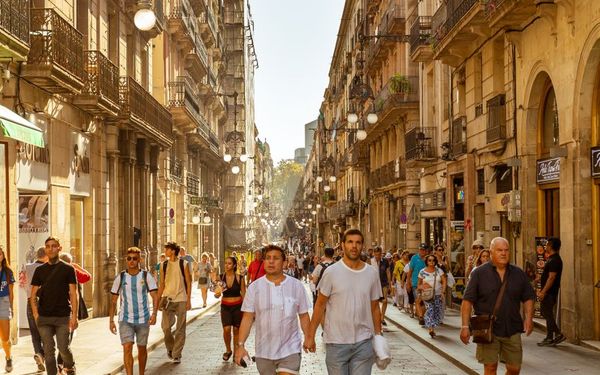
Barcelona 1977: Spain's First Pride March on La Rambla
On 26 June 1977, several thousand people marched without permission up La Rambla in Barcelona and demanded the end of a law that criminalised homosexuality. What happened and what came of it.
Bi Visibility Day and the Bi Flag: Where They Come From and What They Mean
23 September is Bi Visibility Day. Who started it, what the pink, purple and blue flag stands for, and how you can make bisexual people visible at Pride and in everyday life.
Transgender Day of Remembrance: Where It Comes From and How to Take Part
Every year around 20 November, vigils remember trans people who were killed. The origin of the day, the latest Trans Murder Monitoring figures and practical ways to take part (as of October 2026).