
Hotels around Cluj-Napoca
Tap the map for prices and availability.
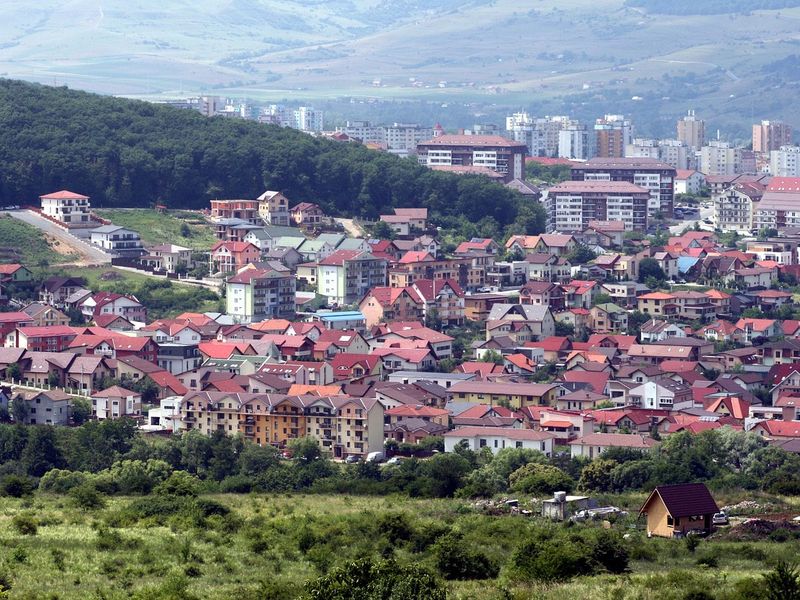
About Cluj-Napoca
Cluj-Napoca, a vibrant university hub in Transylvania, serves as a key center for Romania's LGBTQ+ movement. Pride events, including colorful parades, draw crowds advocating for equality, acceptance, and an end to discrimination. Organized by groups like Pride Romania, these gatherings often take place on the city's outskirts, reflecting local conservative influences, yet they continue to grow, embodying the community's resilience and determination.
The local LGBTQ+ history is one of perseverance amid societal challenges shaped by Orthodox traditions and political tensions. Queer individuals have built networks through film festivals, workshops, and discussions that complement Pride activities, creating safe spaces for dialogue and visibility. The city's longstanding twin partnership with Cologne, Germany, adds an international dimension, with German officials joining parades and highlighting rights gaps, fostering solidarity across Europe.
For English-speaking visitors, Cluj-Napoca's Pride scene offers a glimpse into Eastern Europe's evolving queer landscape. The events blend celebration with activism, attracting global participants who appreciate the youthful energy driven by students and advocates. Despite counter-protests from conservative factions, these marches symbolize progress and unity, drawing attention to broader struggles for legal recognition of partnerships and anti-hate measures.
Cluj-Napoca's queer community thrives on innovation, hosting art exhibits, parties, and awareness campaigns that enrich the Pride calendar. Tourists find a welcoming vibe in this historic city, where ancient architecture meets modern inclusivity efforts. Pride here is more than a parade—it's a beacon of hope, encouraging ongoing fights for full rights and societal change in Romania.
Nearby Prides
From the magazine
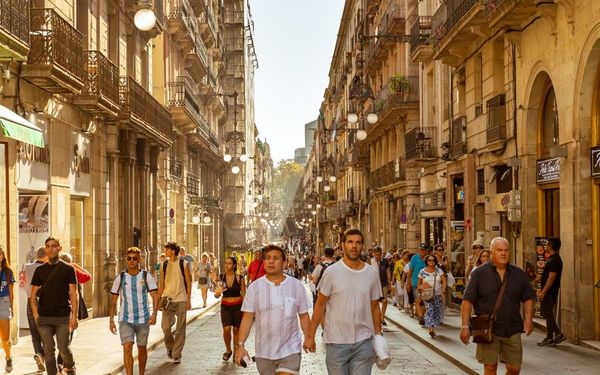
Barcelona 1977: Spain's First Pride March on La Rambla
On 26 June 1977, several thousand people marched without permission up La Rambla in Barcelona and demanded the end of a law that criminalised homosexuality. What happened and what came of it.
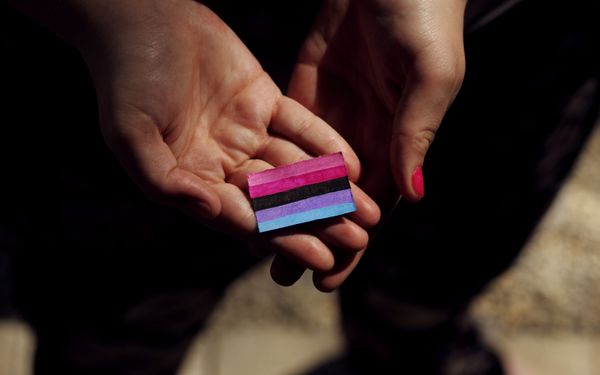
Bi Visibility Day and the Bi Flag: Where They Come From and What They Mean
23 September is Bi Visibility Day. Who started it, what the pink, purple and blue flag stands for, and how you can make bisexual people visible at Pride and in everyday life.
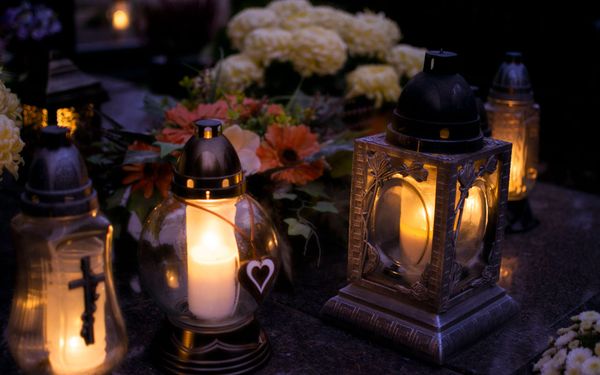
Transgender Day of Remembrance: Where It Comes From and How to Take Part
Every year around 20 November, vigils remember trans people who were killed. The origin of the day, the latest Trans Murder Monitoring figures and practical ways to take part (as of October 2026).