

Hotels around Cartagena
Tap the map for prices and availability.
About Cartagena
Cartagena's Pride is called EnorgulleCT. The programme runs in the second half of June and is organised by the association GALACTYCO together with the city council. The organisers describe it as one of the reference points of the LGBTIQ+ movement in the Murcia region and south-eastern Spain. Each edition has a motto, such as "Defender la diversidad es defender la democracia", defending diversity means defending democracy.
Over roughly two weeks there are talks, exhibitions, family and sports activities, concerts and galas. A regular fixture is the Gala del Orgullo Cartagenero at the Casino on Calle Mayor, which has been held more than a dozen times. It presents the Cristina Esparza Martín awards to people and institutions that stand up for queer rights.
The programme closes on the last Saturday with the march. It starts in the evening at the Antiguas Puertas de Madrid and heads down to the port, where the Gran Fiesta del Orgullo follows. Anyone can join, no registration needed.
How political Pride is here became clear in the dispute over the regional LGBTI law. When Vox called for its repeal in the regional parliament, which sits in Cartagena, GALACTYCO and its president Mar Tornero called a protest outside the building. She spoke of a social regression in which rights were being traded for parliamentary support.


Nearby Prides

Murcia Pride 2026

Alicante Pride 2026

Valencia Pride 2026
From the magazine
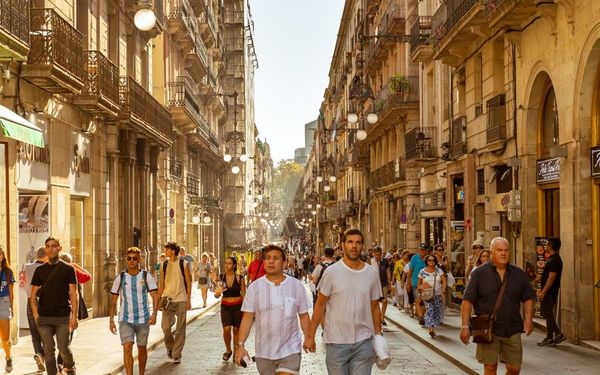
Barcelona 1977: Spain's First Pride March on La Rambla
On 26 June 1977, several thousand people marched without permission up La Rambla in Barcelona and demanded the end of a law that criminalised homosexuality. What happened and what came of it.
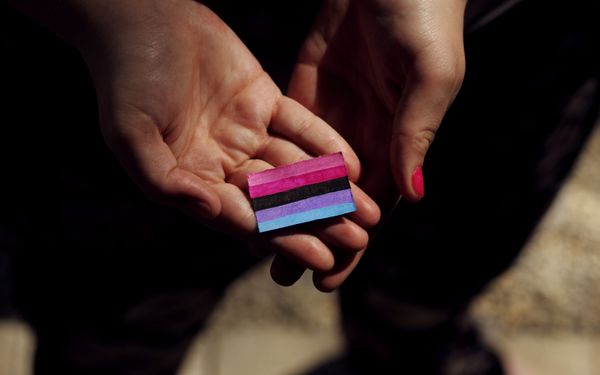
Bi Visibility Day and the Bi Flag: Where They Come From and What They Mean
23 September is Bi Visibility Day. Who started it, what the pink, purple and blue flag stands for, and how you can make bisexual people visible at Pride and in everyday life.
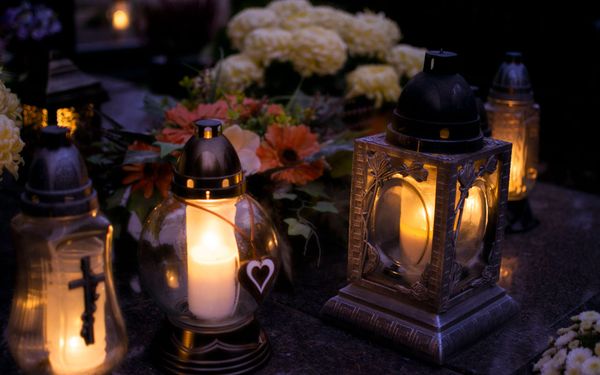
Transgender Day of Remembrance: Where It Comes From and How to Take Part
Every year around 20 November, vigils remember trans people who were killed. The origin of the day, the latest Trans Murder Monitoring figures and practical ways to take part (as of October 2026).