
Hotels around Kiruna
Tap the map for prices and availability.
About Kiruna
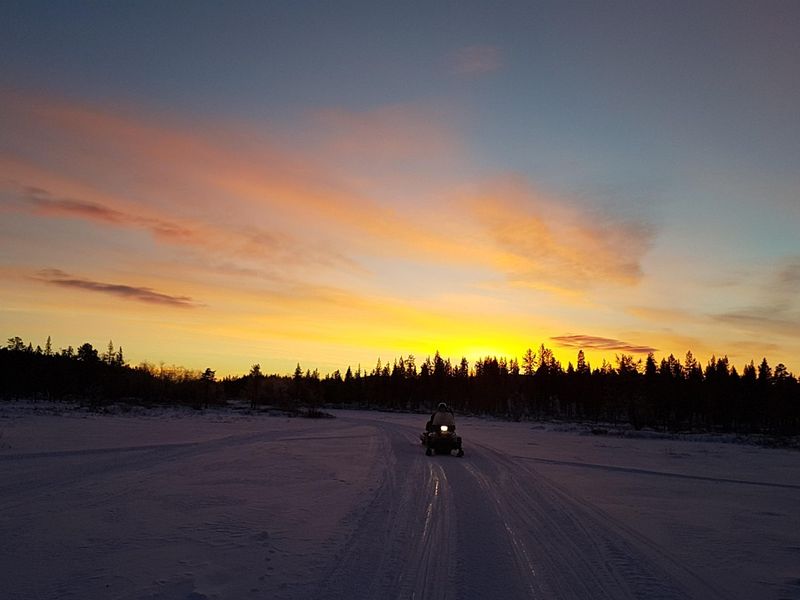
Nestled beyond the Arctic Circle, Kiruna stands as Sweden's northernmost town, famed for its vast wilderness and mining heritage. The Pride movement here thrives within a tight-knit LGBTQ+ community that embraces the unique challenges of Arctic life. Local Pride events, held during the endless summer daylight, feature vibrant parades winding through the town's streets, illuminated by the midnight sun and adorned with rainbow flags fluttering against stunning northern landscapes.
The local LGBTQ+ history in Kiruna is rooted in the town's evolution as a mining settlement. Queer individuals, often workers in the harsh industrial environment, forged bonds through discreet gatherings in homes or during excursions into the surrounding tundra. This resilience laid the foundation for today's visible presence, bolstered by Sweden's longstanding commitment to equality. For English-speaking visitors, particularly from the UK or US, Kiruna offers a fresh perspective on Pride – one that blends Scandinavian progressiveness with raw, untamed nature, evoking a sense of adventure akin to queer festivals in remote global outposts.
Pride celebrations in Kiruna highlight indigenous Sami influences, weaving traditional elements into modern festivities. Expect workshops on queer identities in extreme climates, performances under the aurora borealis, and lively parties in cozy venues. The events foster community spirit, drawing tourists who seek authentic experiences beyond urban spectacles. English speakers appreciate the inclusive vibe, with many activities offering translations and international networking opportunities, making it ideal for those exploring Nordic queer culture.
The movement promotes education and allyship, breaking down barriers in this small population. Kiruna's Pride symbolizes empowerment in isolation, creating safe spaces amid the polar night. Visitors from English-speaking countries find it a hidden gem, combining activism with breathtaking scenery and a welcoming atmosphere that celebrates diversity in every form.
From the magazine
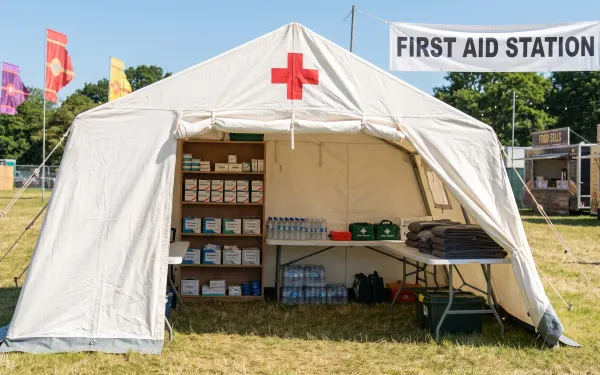
First Aid at Pride: How to Prepare Before You Go
Pride is a long, hot, crowded day. Most incidents stay minor — if organizers provide proper medical cover and attendees know when to ask for help. A practical guide to preparation, heat illness and dense crowds.
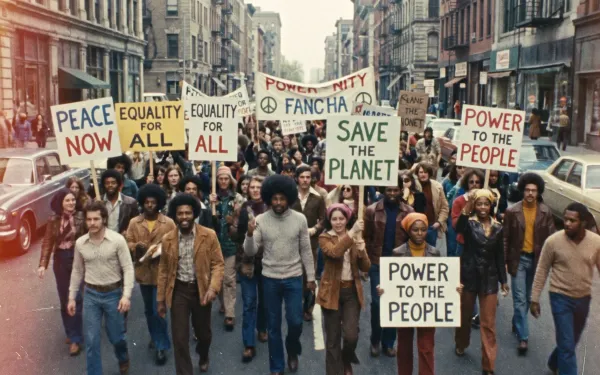
Christopher Street Liberation Day 1970: The March That Started Pride
One year after Stonewall, on June 28, 1970, a few thousand people walked up Sixth Avenue in New York behind a banner reading CHRISTOPHER STREET GAY LIBERATION DAY 1970. Here is how that first march became Pride.
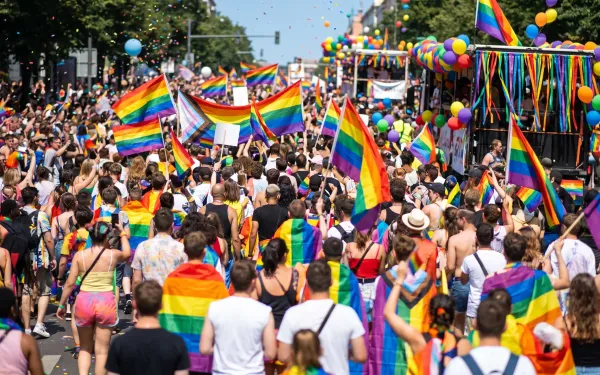
Germany's First Pride (1979): From a Nervous March to a National Tradition
On June 30, 1979, about 450 people marched in Berlin for the first time on the anniversary of Stonewall. A look back at the start of Germany's Pride tradition, the fight against Paragraph 175 and the road to a mass demonstration.