
Hotels around Örebro
Tap the map for prices and availability.
About Oerebro
Örebro holds a significant place in Swedish LGBTQ+ history and activism. The city was the birthplace of Sweden's first-ever Pride demonstration for gay rights, organized by the local Gay Power Club. This pioneering event brought forward key demands for equality, including marriage rights for same-sex couples, and set the foundation for decades of advocacy and social progress in the country.
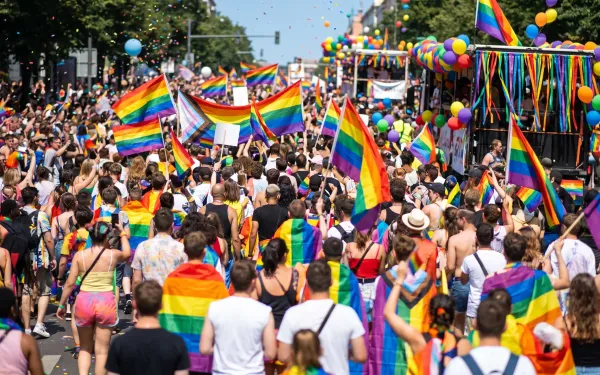
Today, Örebro hosts the Nerike Pride festival, an important celebration that brings together the LGBTQ+ community and allies from across the region. The event provides a vital space for visibility, community building, and cultural expression. As part of Sweden's extensive Pride calendar, Nerike Pride contributes to the country's reputation as one of Europe's most inclusive and progressive nations for LGBTQ+ people.
The Pride movement in Örebro reflects broader Swedish values of equality and acceptance. The city's continued commitment to celebrating and supporting the LGBTQ+ community demonstrates how local initiatives can drive meaningful social change. With Sweden hosting more Pride festivals per capita than any other country in the world, Örebro remains a key location for LGBTQ+ visibility, community connection, and the ongoing celebration of diversity and human rights.

Nearby Prides
From the magazine

First Aid at Pride: How to Prepare Before You Go
Pride is a long, hot, crowded day. Most incidents stay minor — if organizers provide proper medical cover and attendees know when to ask for help. A practical guide to preparation, heat illness and dense crowds.
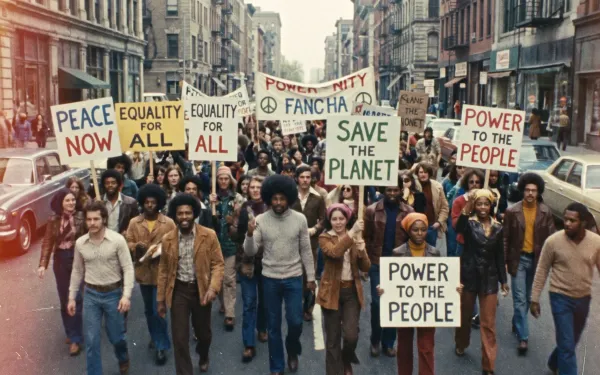
Christopher Street Liberation Day 1970: The March That Started Pride
One year after Stonewall, on June 28, 1970, a few thousand people walked up Sixth Avenue in New York behind a banner reading CHRISTOPHER STREET GAY LIBERATION DAY 1970. Here is how that first march became Pride.
Germany's First Pride (1979): From a Nervous March to a National Tradition
On June 30, 1979, about 450 people marched in Berlin for the first time on the anniversary of Stonewall. A look back at the start of Germany's Pride tradition, the fight against Paragraph 175 and the road to a mass demonstration.