
Hotels around Austin
Tap the map for prices and availability.
About Austin
Austin Pride is the main Pride celebration in the Texas capital, and it takes place in August, later in the year than in most American cities. It is organized by the Austin Pride Foundation, a nonprofit run entirely by volunteers. Besides the main event, the foundation hosts smaller happenings throughout the year, including the official Austin Pride pageant and the occasional drag brunch with local partners.
The big day combines a festival and a parade. The festival, with stages, vendors and entertainment, is held at Fiesta Gardens, east of downtown. Parking near the grounds is limited, so the organizers ask people to cycle in along the hike-and-bike trail on Lady Bird Lake, take public transit or carpool, and to stay out of the surrounding residential streets. Accessible parking is reserved in front of the main entrance. The festival is ticketed, outside food and drinks are not allowed, and free water stations are set up across the grounds.
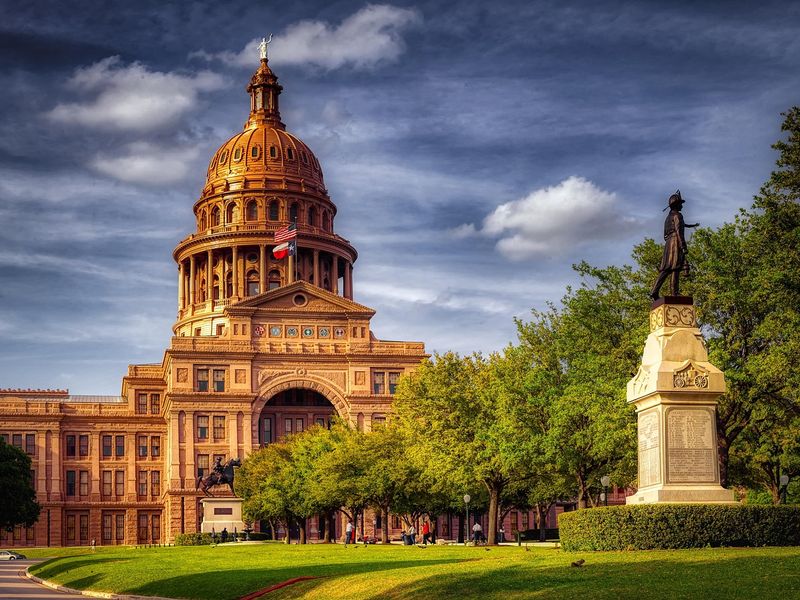
What sets Austin apart is the parade. It starts in the evening at the Texas State Capitol and heads south down Congress Avenue, ending on the Congress Avenue Bridge, which makes it one of the few nighttime Pride parades in the country. Watching from the sidewalk is free, and Congress Avenue fills up well before the first floats arrive.
In June, Queerbomb offers a deliberately different take on Pride. It describes itself as anti-corporate, and its all-volunteer team has long turned down money from large companies. The day usually brings a resource fair with local groups, a talent showcase and a rally with community speakers, followed by a march along 6th Street and an afterparty. Queerbomb had to scale back its format for a while but has since returned to the march and rally that people know it for.

Nearby Prides

San Antonio Pride 2026

Houston Pride 2026
From the magazine
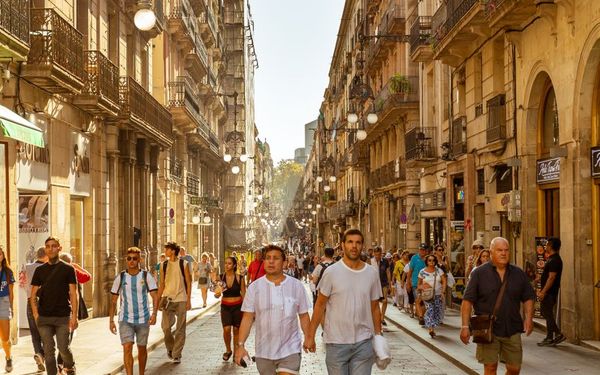
Barcelona 1977: Spain's First Pride March on La Rambla
On 26 June 1977, several thousand people marched without permission up La Rambla in Barcelona and demanded the end of a law that criminalised homosexuality. What happened and what came of it.
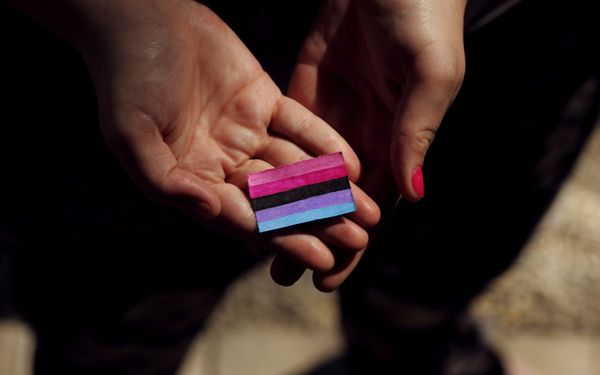
Bi Visibility Day and the Bi Flag: Where They Come From and What They Mean
23 September is Bi Visibility Day. Who started it, what the pink, purple and blue flag stands for, and how you can make bisexual people visible at Pride and in everyday life.
Transgender Day of Remembrance: Where It Comes From and How to Take Part
Every year around 20 November, vigils remember trans people who were killed. The origin of the day, the latest Trans Murder Monitoring figures and practical ways to take part (as of October 2026).