
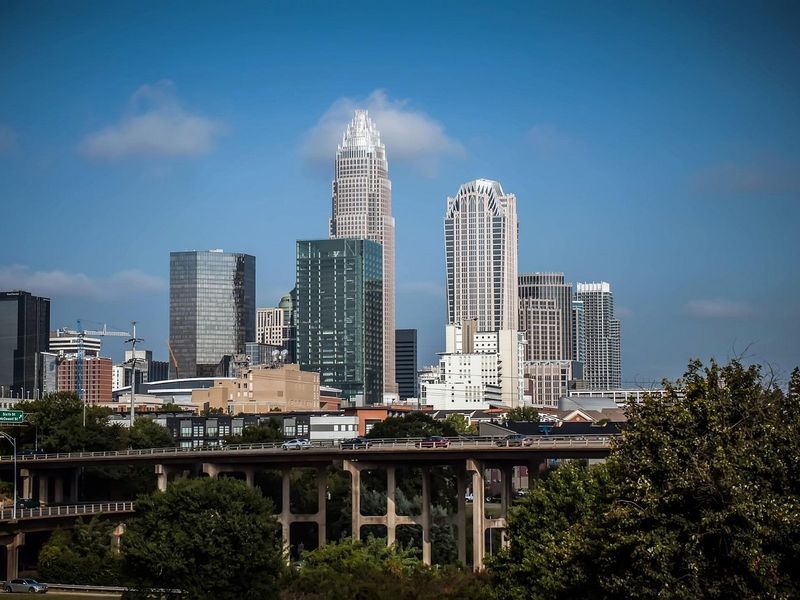
Hotels around Charlotte
Tap the map for prices and availability.
About Charlotte
Charlotte's Pride movement thrives through vibrant annual events that celebrate the LGBTQ+ community across North and South Carolina. The highlight is the grand Pride parade winding through Uptown streets, followed by a massive festival featuring live music, vendors, entertainment, and community gatherings that draw crowds from near and far. These celebrations foster visibility, empowerment, and unity, making Charlotte a key hub for queer expression in the South.
The local LGBTQ+ history began with modest gatherings like workshops, picnics, sports tournaments, and rallies organized by early activists. Despite initial challenges and skepticism, these efforts built a strong foundation, leading to the growth of dedicated organizations. Charlotte Pride has expanded programming to include film festivals like Reel Out Charlotte, initiatives for women, Latinx and immigrant communities, transgender individuals, and queer faith groups, ensuring broad representation and support.
For English-speaking visitors, Charlotte Pride offers an inclusive atmosphere infused with Southern charm. The events emphasize diversity, with parades showcasing colorful floats, drag performances, and speeches that inspire change. Community programs promote dialogue, youth panels, and grassroots activism, highlighting the city's evolution toward greater acceptance. Attendees enjoy a mix of high-energy parties, cultural showcases, and family-friendly activities that capture the spirit of resilience.
Charlotte's Pride scene continues to evolve, blending local heritage with national movements. It provides a platform for storytelling, healing, and joy, inviting everyone to join in parades, festivals, and after-parties. This timeless commitment to visibility and solidarity makes Charlotte a welcoming destination for Pride enthusiasts seeking connection and celebration.
Nearby Prides

From the magazine
Volunteering at Pride: What happens behind the scenes
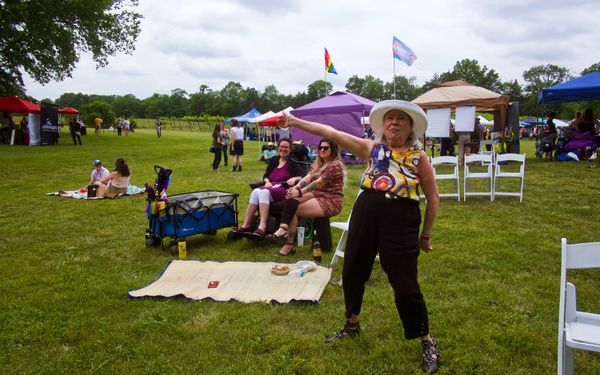
Pride events rely on people at information points, around the venue and behind the scenes. This guide helps you choose a role and arrive with realistic expectations.
Pride is a public assembly, not a favour
Pride is often festive, but it is also a way to gather publicly and demand equality. What that means for organisers and visitors.

Bringing a sign to Pride: Make your point without shutting others out
A Pride sign can make a demand visible without blocking other people out. Practical choices about wording, size, photography and shared space make it work better.