
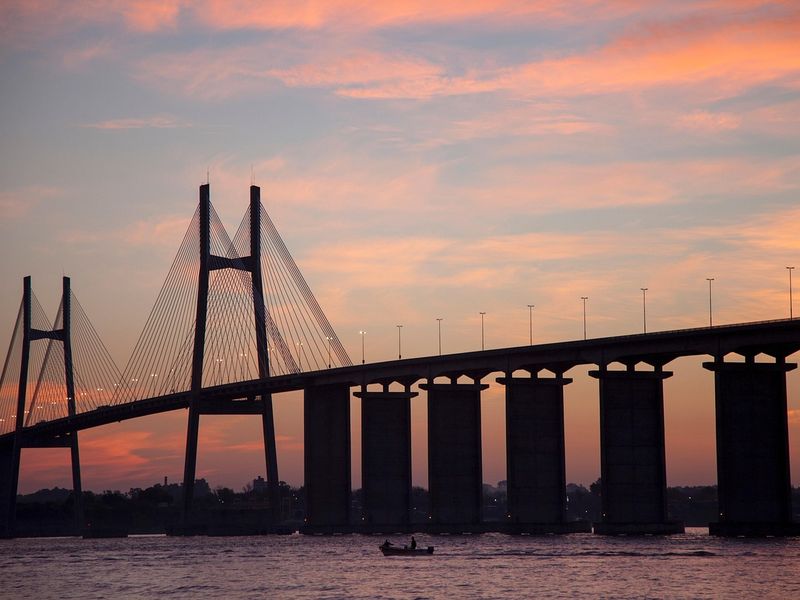
2027 date
The date has not been confirmed yet. Expected October 2027
You will find the date here as soon as it is confirmed. Already know it? Let us know.
Hotels around Rosario
Tap the map for prices and availability.
About Rosario
Rosario, Argentina, stands as a vibrant hub for Pride celebrations, where the LGBTQ+ community gathers annually to champion visibility, rights, and joy. The Rosario Pride March transforms the city's streets into a sea of colors, starting at Plaza Libertad—a historic square with deep cultural roots—and culminating at the National Flag Memorial. This route honors the city's legacy as the birthplace of Argentina's flag, blending national pride with queer empowerment.
The local LGBTQ+ scene in Rosario boasts a rich history of activism. Early national gatherings brought together advocates from across the country, fostering a united front that continues today through the Rosario Pride Coordinator. This collective unites dozens of organizations from the city and surrounding areas, working tirelessly to promote and protect the rights of sexual and gender minorities. The event draws massive crowds, creating an electric atmosphere of solidarity and festivity.
For English-speaking travelers, Rosario offers an authentic slice of Latin American queer culture. Unlike Pride events in the Northern Hemisphere tied to summer months, Rosario's celebration aligns with the local calendar, providing a fresh perspective. Visitors appreciate the welcoming vibe, where tango rhythms and riverside energy infuse the parades with unique flair. Themes of equality, anti-discrimination, and community resilience resonate globally, making it a must-visit for those seeking inclusive experiences.
The Pride March highlights Rosario's progressive spirit within Argentina, a pioneer in LGBTQ+ advancements in Latin America. Performances by local artists, street parties, and interactive sessions offer immersive insights into the community's vibrancy. English speakers will find approachable locals eager to share stories, while the event's scale ensures a sense of belonging. Rosario Pride embodies ongoing progress, turning historic streets into stages for unapologetic self-expression and collective triumph.
Rosario Pride – frequently asked questions


Nearby Prides

From the magazine

Bi Visibility Day and the Bi Flag: Where They Come From and What They Mean
23 September is Bi Visibility Day. Who started it, what the pink, purple and blue flag stands for, and how you can make bisexual people visible at Pride and in everyday life.
Transgender Day of Remembrance: Where It Comes From and How to Take Part
Every year around 20 November, vigils remember trans people who were killed. The origin of the day, the latest Trans Murder Monitoring figures and practical ways to take part (as of October 2026).
Going to Pride Alone: Plan Your First Visit at Your Own Pace
Going to Pride alone is common, and it can give you room to decide what feels right. A simple plan for arrival, breaks and your journey home helps you stay open to the day.