
October 2026

Rosario Pride 2026

Santa Fe Pride 2026
November 2026
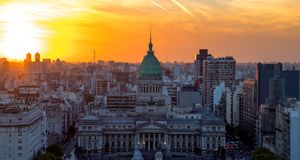
Buenos Aires Pride 2026
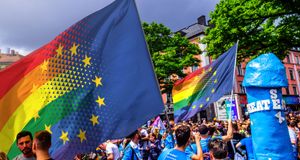
Neuquén Pride 2026

Córdoba Pride 2026

San Miguel de Tucuman Pride 2026
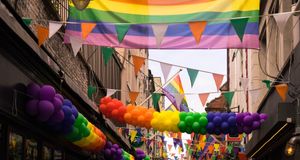
Salta Pride 2026
December 2026

Mar del Plata Pride 2026

Mendoza Pride 2026
Argentina stands out as a beacon of LGBTQ+ progress in Latin America, with a history of bold legal advancements and vibrant Pride celebrations. Same-sex activity has been legal since 1887, but the modern movement ignited after democracy returned in 1983. The founding of the Comunidad Homosexual Argentina (CHA) in 1984 sparked activism, leading to the first Pride marches in Buenos Aires during the late 1980s and 1990s, drawing growing crowds amid political awakening.
Key milestones define this journey: In 2010, Argentina became the first Latin American nation to legalize same-sex marriage, a narrow Senate victory that reshaped the region. The 2012 Gender Identity Law revolutionized access, allowing gender changes without surgery or medical approval, alongside protections against discrimination, bullying safeguards in schools, and inclusive reproductive rights. Today, massive Pride events like Buenos Aires' Marcha del Orgullo attract over a million participants annually, blending festive parades with calls for justice against ongoing violence, particularly toward trans individuals.
Buenos Aires hosts the largest Pride, but cities like Córdoba, Rosario, and Mendoza pulse with their own lively gatherings, featuring music, drag shows, and advocacy. Public support is strong, with surveys showing over 75% acceptance of homosexuality. Yet challenges persist, including high rates of trans murders and conservative pushback. The movement draws inspiration from early leaders like Carlos Jáuregui, whose legacy fuels continued fights for full equality.
Argentina's Pride scene offers a mix of celebration and solidarity, making it a must-visit for global queer travelers seeking inspiration from a nation that turned dictatorship-era shadows into democratic triumphs.