
June 2026
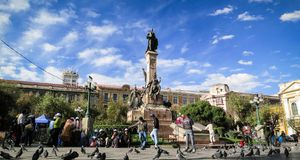
The Pride movement in Bolivia has emerged as a bold symbol of resistance against discrimination, drawing inspiration from global milestones like the 1969 Stonewall Riots. LGBTQ+ rights in Bolivia gained momentum during the country's democratization in the early 2000s, intertwining with indigenous struggles and social reforms. A key legal milestone came in 2009 with the new constitution under President Evo Morales, which recognized gender identity and same-sex unions, positioning Bolivia as a progressive force in South America.
Major Pride celebrations light up cities like La Paz, Cochabamba, and Santa Cruz each June. The Cochabamba Pride march stands out, with thousands waving rainbow flags and chanting for equality amid vibrant street parties. These events highlight intersectional issues, linking queer rights to poverty reduction and indigenous empowerment, as many participants hail from marginalized communities. Despite progress, challenges persist: conservative backlash in rural areas and political turmoil post-Morales era fuel ongoing homophobia and violence.
Today, Bolivia's Pride scene thrives on grassroots activism. Organizations like Comunidad Homosexual de Bolivia (CHB) lead advocacy for anti-discrimination laws and healthcare access. Transgender rights have advanced with legal name changes, though implementation lags. Pride events now feature art installations, music festivals, and panels on mental health, fostering community amid economic hardships.
For international visitors, Bolivia offers an authentic Pride experience – raw, resilient, and culturally rich. Unlike commercialized events elsewhere, these marches emphasize survival and solidarity. As activism grows via social media and youth networks, Bolivia's Pride is poised to influence the region, celebrating diversity in the heart of the Andes.