
Hotels around St. Pölten
Tap the map for prices and availability.
About St. Pölten
St. Pölten has its own Pride. St. Pölten PRIDE is organised by the association ST. PRIDE – Queere Menschen in Niederösterreich, which grew out of a regular get-together and was set up specifically to run the event. The organisers describe the parade as a demonstration for the equal rights of queer people and make a point of keeping its political purpose in view.
The parade takes place in early summer or summer, and the exact date varies. Everything starts at the Domplatz, the cathedral square in the old town. Participants gather there before the march sets off through the city centre. Afterwards the Domplatz hosts a programme of music, drag performances, speeches and information stands from regional organisations, along with drinks and food trucks. Admission is free.
Around the parade the association runs a PRIDE Week. Together with other groups, initiatives and artists it offers talks, workshops, cultural evenings and community meetups focused on queer life in Lower Austria. Parade day ends with a club night at Cinema Paradiso on Rathausplatz, with DJs, drag and stage acts going on late into the night.
The city has taken a stance as well. The municipal council declared St. Pölten an LGBTIQ freedom zone, and during Pride Month in June the rainbow flag flies at the town hall.
Anyone who wants a large-scale Pride in June can head to Vienna. There the Regenbogenparade, the rainbow parade, moves along the Ringstraße, accompanied by the Pride Village on Rathausplatz and several weeks of Vienna Pride events. The St. Pölten event is smaller and focused on its own region: it is about making queer people visible in Lower Austria, outside the capital.
St. Pölten Pride – frequently asked questions

Nearby Prides
From the magazine
Gilbert Baker and the First Rainbow Flag: Eight Stripes, 1978
How a request from Harvey Milk became the rainbow flag, why it began with eight stripes, and what survives of the two originals.
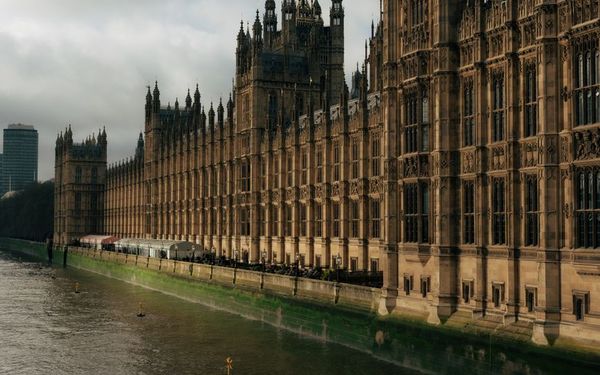
The Wolfenden Report 1957: Why Britain Needed Ten Years to Decriminalise Gay Sex
In 1957 a committee recommended ending criminal penalties for private sex between consenting adult men. The Sexual Offences Act followed only in 1967 and covered just England and Wales.
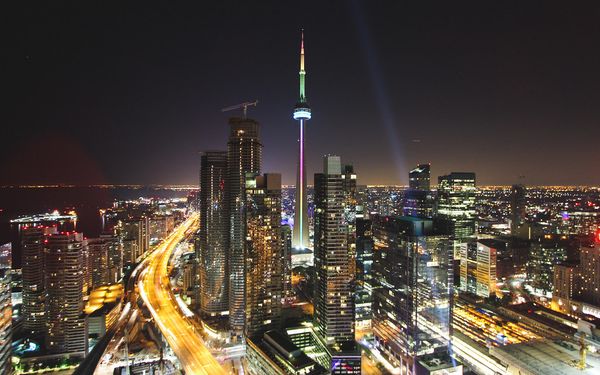
Toronto 1981: The Bathhouse Raids and the Protests Behind Toronto Pride
On 5 February 1981 Toronto police raided four gay bathhouses and arrested close to 300 men. What happened, how the sources count it, and how the protests connect to Toronto Pride.