
Hotels around Santa Cruz de la Sierra
Tap the map for prices and availability.
About Santa Cruz de la Sierra
Santa Cruz de la Sierra has one of the oldest marches for sexual diversity in Bolivia. The Marcha por la Diversidad Sexual, often called the Marcha del Orgullo, has taken place here for more than two decades. The first marches drew fewer than fifty people, who faced insults, thrown stones and even kicks from passers-by. Today organisers count several hundred participants; at one edition they reported around five hundred. It is a political demonstration with drums, banners and printed T-shirts rather than a sponsored parade with floats.
The march usually gathers in the city centre around Plaza 24 de Septiembre and walks to Plaza del Estudiante, where a street party with a stage and live bands follows. It is timed around International Pride Day at the end of June, although in some years it has been held later. Most of the money is raised by the movement itself, through charity fairs (kermeses) and small fundraising events.
One of the best-known local groups is the Fundación Igualdad LGBTI, whose leaders describe the march as a call for people to stop hiding who they are. The citizens' movement "El amor es amor" also backs it. It brings queer and straight people together against campaigns of hostility, many of which were sparked by Bolivia's gender identity law.
On the legal side, Bolivia's constitution prohibits discrimination based on sexual orientation and gender identity, and a separate law lets trans people change their name and gender marker. Same-sex marriage is not legal, because the constitution defines marriage as a union between a man and a woman. After a ruling by the Constitutional Court, however, the civil registry SERECÍ can register same-sex couples as a de facto union (unión libre). Visitors who want to take part can simply join the march.

From the magazine
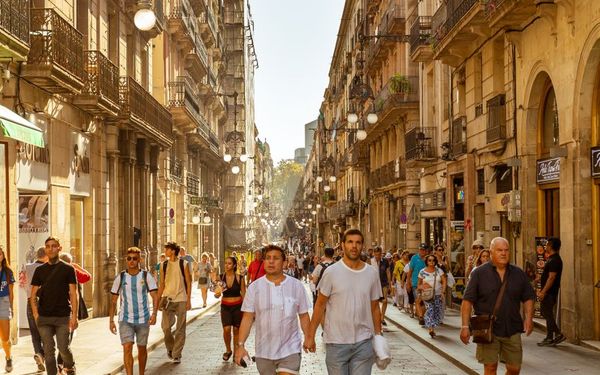
Barcelona 1977: Spain's First Pride March on La Rambla
On 26 June 1977, several thousand people marched without permission up La Rambla in Barcelona and demanded the end of a law that criminalised homosexuality. What happened and what came of it.
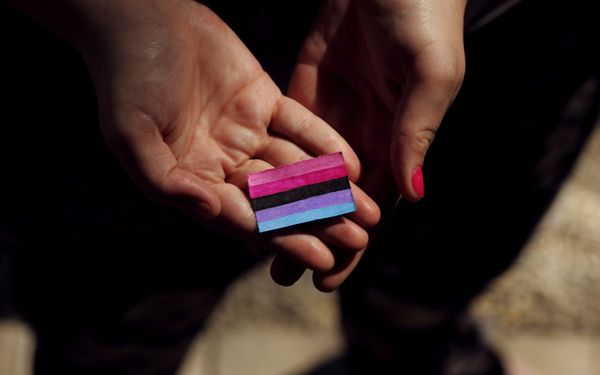
Bi Visibility Day and the Bi Flag: Where They Come From and What They Mean
23 September is Bi Visibility Day. Who started it, what the pink, purple and blue flag stands for, and how you can make bisexual people visible at Pride and in everyday life.
Transgender Day of Remembrance: Where It Comes From and How to Take Part
Every year around 20 November, vigils remember trans people who were killed. The origin of the day, the latest Trans Murder Monitoring figures and practical ways to take part (as of October 2026).