
Hotels around Piracicaba
Tap the map for prices and availability.
About Piracicaba
Piracicaba holds its own Pride march, the Parada da Diversidade e do Orgulho LGBTQIA+. For many years it has been organized by the local NGO Casvi (Centro de Apoio e Solidariedade à Vida), with support from the city's culture department. Traffic police, the municipal guard and the military police accompany the route. The municipal council for LGBT policy and networks such as Fórum Paulista LGBT, Antra, Rede Trans and ABGLT also back the event.
There is no fixed date. Recent editions took place on a Sunday in July, while earlier ones were held in November, so check Casvi's channels or the local press shortly before you go.
People gather in the early afternoon at Praça São Vicente de Paulo, better known as Praça da Paz, where Avenida 31 de Março meets Avenida Independência. Sound trucks, the trios elétricos, then roll along Avenida José Micheletti, Avenida Armando de Salles Oliveira and Rua XV de Novembro toward the river. The final stretch is on foot across the cable-stayed pedestrian bridge to Parque do Engenho Central, a former sugar mill that now serves as a cultural center. The program there is free and runs into the evening, with DJs, drag acts, local dance groups and concerts. Past guests have included Linn da Quebrada and the queernejo singer Gabeu.
Each edition carries a political theme, from fighting transphobia to encouraging people to vote with pride. One of the old mill warehouses becomes a health and citizenship space with information, condoms and rapid testing. Participants quoted in local media call Piracicaba a conservative city, which is exactly why many of them see the Parada as the one day a year to be openly visible downtown.
From the magazine
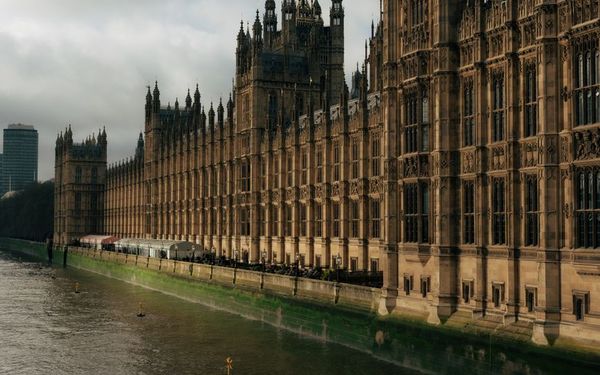
The Wolfenden Report 1957: Why Britain Needed Ten Years to Decriminalise Gay Sex
In 1957 a committee recommended ending criminal penalties for private sex between consenting adult men. The Sexual Offences Act followed only in 1967 and covered just England and Wales.
Toronto 1981: The Bathhouse Raids and the Protests Behind Toronto Pride
On 5 February 1981 Toronto police raided four gay bathhouses and arrested close to 300 men. What happened, how the sources count it, and how the protests connect to Toronto Pride.
Reading the ILGA-Europe Rainbow Map: What the Ranking Measures and What It Does Not
Every May ILGA-Europe colours in Europe. How the Rainbow Map is built, what the 2026 edition shows and why it is not a travel guide.