
2027 date
The date has not been confirmed yet. Expected September 2027
You will find the date here as soon as it is confirmed. Already know it? Let us know.
Calgary Pride 2026
Hotels around Calgary
Tap the map for prices and availability.
About Calgary Pride
Calgary Pride grew out of a grassroots initiative among the city's lesbian and gay community, which came together as an umbrella organization in the late 1980s. A small first summer festival followed soon after, with a concert, a workshop, community booths and a family picnic. A few years later came the first street parade: around four hundred people marched down Stephen Avenue to City Hall, accompanied by a controversial proclamation from the mayor of the time.
The grassroots movement later became a registered nonprofit organization. The parade moved from early summer to September, chasing more reliable weather. Permanent rainbow and trans-flag crosswalks on Stephen Avenue have marked the event's history ever since, and Two-Spirit leaders from the surrounding Treaty 7 territories have long been formally involved.
Today, Calgary Pride is a free parade through downtown followed by a festival program: booths run by community organizations, food, live music and a dedicated family area sit alongside a stage lineup of drag and music acts. The organization sees itself as a hub of information and resources for the city's queer community, and its programming deliberately keeps the movement's roots in resistance in view.
About Calgary
Calgary's Pride movement embodies resilience and celebration within Canada's vibrant LGBTQ+ landscape. It emerged from local gay and lesbian groups forming an umbrella organization to host festivals honoring global milestones like the Stonewall Riots. Early events featured concerts, workshops, art exhibits, dances, and family picnics, creating safe spaces amid widespread discrimination and invisibility.
The Pride Parade has become a cornerstone, drawing crowds through iconic routes like Stephen Avenue to City Hall, or along 17th Avenue ending at Olympic Plaza. Despite initial protests and challenges, it evolved into an annual spectacle with street festivals, live music stages, beer gardens, food vendors, and family zones. These gatherings highlight joy, acceptance, and education on issues like HIV awareness and equality.
Calgary's queer history is marked by trailblazers like Lois Szabo, who launched the city's first underground gay club, Club Carousel, fostering community bonds through secret patches and meetings. Central Memorial Park served as a hub for political rallies, transitioning Pride from protest to mainstream festivity. Today, events showcase vendor booths with rainbow merchandise, contests, and info on local groups, attracting diverse crowds including tourists snapping photos amid dancing youth and pets.
For English-speaking visitors, Calgary Pride offers a unique blend of urban energy and western hospitality. Institutions like the fire department now join history tours, acknowledging queer contributions. The festival promotes inclusivity, drawing global participants and emphasizing young people's empowerment. It's a testament to progress, where once-marginalized voices now fill plazas with color and unity, making it a must-visit for anyone exploring North American queer culture.
Calgary Pride – frequently asked questions
Downtown Calgary, 9th Avenue SW, from 5th Street SW to 4th Street SE (East Village)
From the magazine
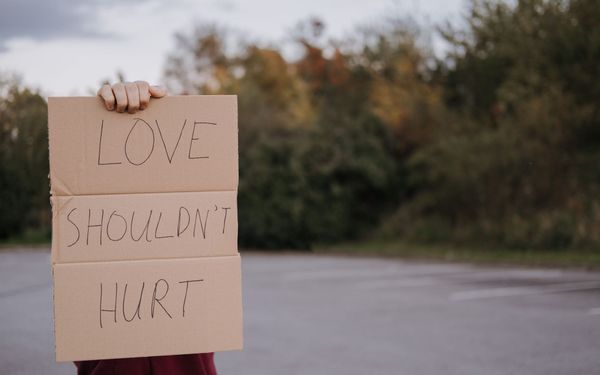
Bringing a sign to Pride: Make your point without shutting others out
A Pride sign can make a demand visible without blocking other people out. Practical choices about wording, size, photography and shared space make it work better.
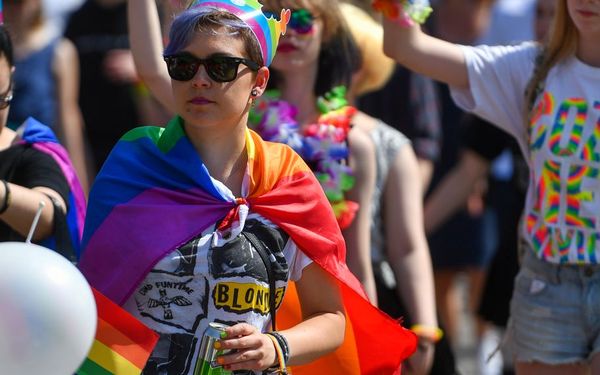
Queer and Seeking Refuge: Why Pride Is a Place of Arrival
For people who fled persecution because of who they are, Pride can be the first place where living openly feels safe. This guide covers the background, the support landscape and what organizers and fellow marchers can do to make the welcome real.
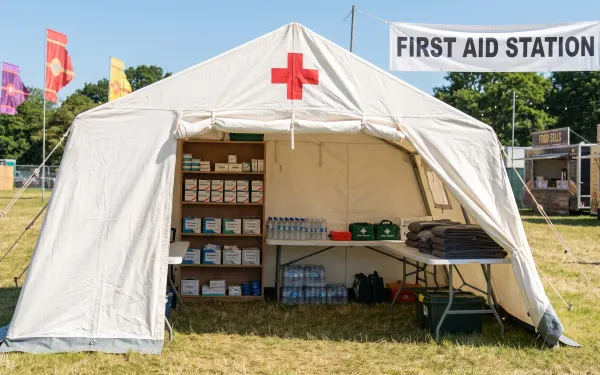
First Aid at Pride: How to Prepare Before You Go
Pride is a long, hot, crowded day. Most incidents stay minor — if organizers provide proper medical cover and attendees know when to ask for help. A practical guide to preparation, heat illness and dense crowds.