
2027 date
The date has not been confirmed yet. Expected June 2027
You will find the date here as soon as it is confirmed. Already know it? Let us know.
Hotels around Toronto
Tap the map for prices and availability.
About Toronto
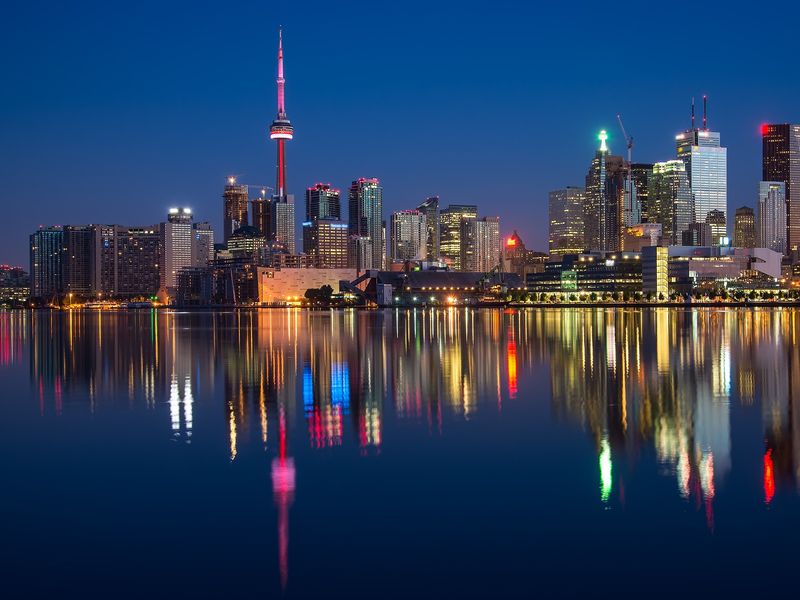
Toronto stands as a beacon for Pride celebrations in Canada, hosting one of North America's largest and most vibrant LGBTQ+ festivals. The Pride Parade transforms city streets into a dazzling display of music, dance, and advocacy, drawing massive crowds to the Church and Wellesley neighborhood, the heart of queer life in the city.
The local LGBTQ+ history is rooted in bold activism sparked by bathhouse raids that ignited widespread protests and demands for equality. These events birthed organizations pushing for visibility and rights, evolving Pride from intimate gatherings into grand spectacles that honor past struggles. Key elements include the Dyke March celebrating lesbian voices, the Pride and Remembrance Run to commemorate those lost, and Blockorama, a dedicated space for Black and BIPOC queer communities, highlighting the festival's commitment to inclusivity.
Pride Toronto emphasizes diversity, reflecting the city's multicultural fabric where over half the population hails from immigrant backgrounds. Parades wind through iconic routes like Yonge Street, featuring floats, performers, and speeches that blend joy with calls for justice. The month-long program offers art installations, concerts, and community events, fostering a sense of belonging for all.
For English-speaking visitors, Toronto's Pride offers an accessible, welcoming vibe with strong representation across genders, races, and identities. It's a place where queer history comes alive through storytelling and performance, making it a must-visit for anyone seeking authentic celebration and connection in a progressive urban setting.
Toronto Pride – frequently asked questions


From the magazine
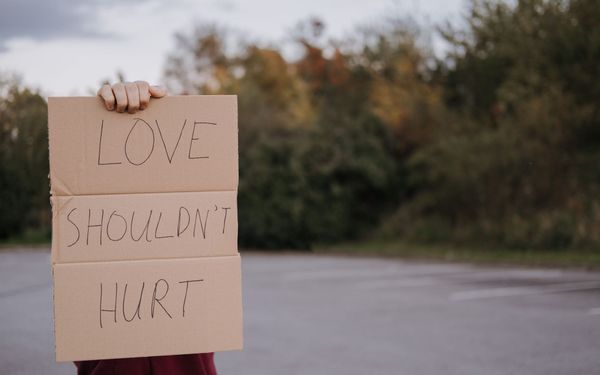
Bringing a sign to Pride: Make your point without shutting others out
A Pride sign can make a demand visible without blocking other people out. Practical choices about wording, size, photography and shared space make it work better.
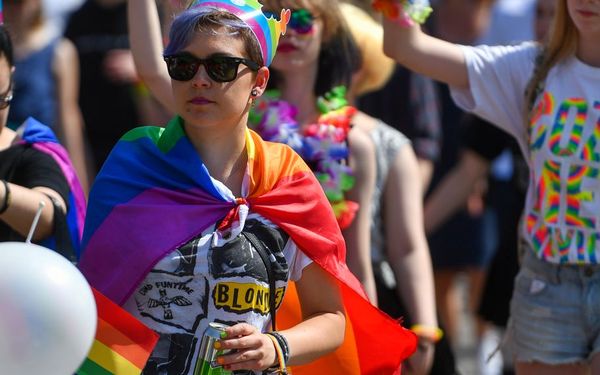
Queer and Seeking Refuge: Why Pride Is a Place of Arrival
For people who fled persecution because of who they are, Pride can be the first place where living openly feels safe. This guide covers the background, the support landscape and what organizers and fellow marchers can do to make the welcome real.
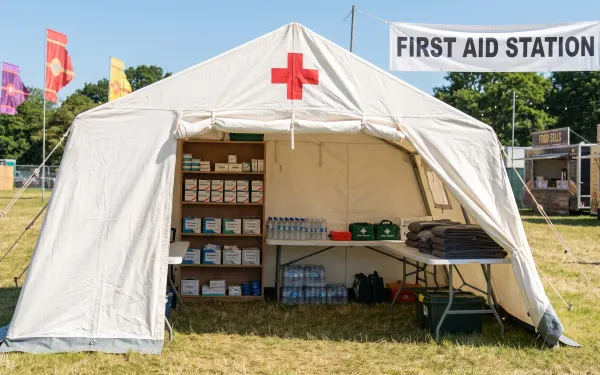
First Aid at Pride: How to Prepare Before You Go
Pride is a long, hot, crowded day. Most incidents stay minor — if organizers provide proper medical cover and attendees know when to ask for help. A practical guide to preparation, heat illness and dense crowds.