
Hotels around Barranquilla
Tap the map for prices and availability.
About Barranquilla
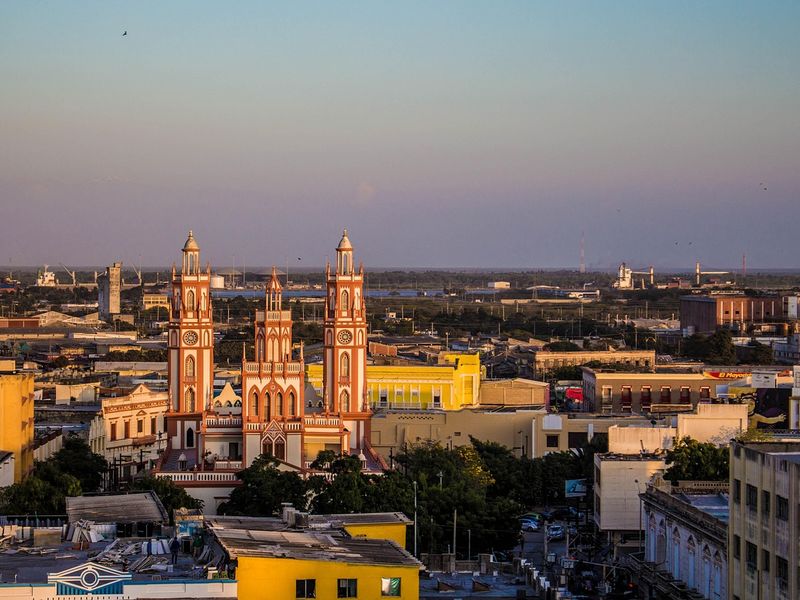
Barranquilla is the capital of Atlántico department on Colombia's Caribbean coast and, with about 1.34 million residents, the country's fourth-largest city. Its Pride is called the Marcha del Orgullo LGBTIQ+ de Barranquilla y el Atlántico. It is organized by the Mesa LGBTI de Barranquilla y el Atlántico, a coalition of local groups and activists.
The march takes place on a Sunday in late June or early July. People gather in the early afternoon at Parque Luis Carlos Galán Sarmiento, north of downtown, and walk to the Plaza de la Paz, where a stage hosts speeches, music and cultural acts. The march has now been held more than fifteen times.
It started as a protest. For years the police had put pressure on the city's gay discos. Organizers of a symbolic rally one November expected around fifteen people; more than a hundred and twenty showed up. The first march followed the next June.
Queer visibility at Carnival goes back further. In the late seventies, trans women joined the Carnival in wigs, heels and long dresses, presenting it as costume at a time of open repression. Today Carnival has its own LGBTIQ+ program, the Carnaval Gay.
Barranquilla is also home to Caribe Afirmativo, one of Colombia's best-known LGBTIQ+ organizations. It works on human rights, violence against queer people, access to justice and political participation across the Caribbean region.
Colombian law is relatively progressive. The Constitutional Court opened marriage to same-sex couples, and joint adoption is allowed without restriction. Trans people can change their name and gender marker, and besides F and M the ID system recognizes T and NB. Crimes motivated by the victim's sexual orientation carry heavier sentences. Everyday discrimination, especially against trans people, is still common.
Barranquilla Pride – frequently asked questions
From the magazine
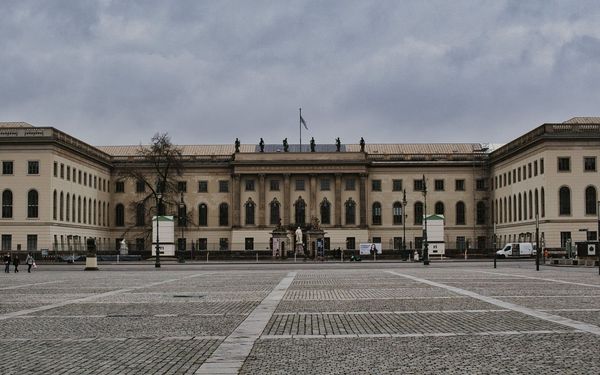
Magnus Hirschfeld and His Institute: What Was Lost on 6 May 1933
Long before Stonewall, Berlin had a place where homosexual people found advice and recognition. How the Institute for Sexual Science began and why it was destroyed in 1933.
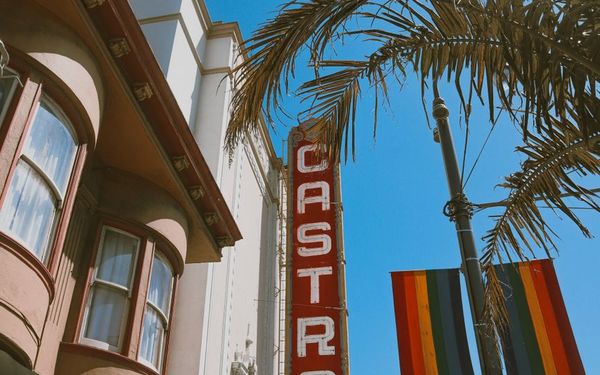
Harvey Milk and Proposition 6: The November 1978 Victory
In 1978 a California ballot measure would have forced queer teachers out of public schools. Harvey Milk fought it, and voters rejected it. What happened and what it has to do with Pride.
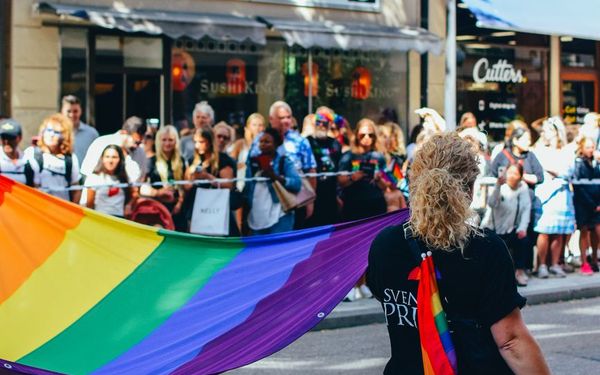
Brenda Howard and the Pride Week: Who Turned a Memorial March into a Tradition
After Stonewall, a march marked the anniversary in 1970, and later a whole week. Brenda Howard is named as one of the people behind it. What is documented and where the title Mother of Pride stays disputed.