
Hotels around Cali
Tap the map for prices and availability.
About Cali
Cali is Colombia's third-largest city after Bogotá and Medellín. Its Pride goes by Marcha del Orgullo or Marcha LGBTIQ+ and takes place around International Pride Day each year, in late June or on the first weekend of July, usually on a Sunday.
The march is organised by LGBTIQ+ activists, with support from the city's Secretariat of Social Welfare and its office for sexual and gender diversity. In several years the parade ran along Calle 5, one of the city's main roads. The Parque de las Banderas has served as the gathering point, though the route changes from year to year and is announced shortly beforehand. Turnout varies a lot: local media have reported a few hundred people in some years and more than fifteen thousand in others. For Pride month the city has also painted pedestrian crossings at several intersections in rainbow colours.
For some years Cali has had its own municipal policy for LGBTIQ+ people. Called CaliDiversidad, it was adopted by a city council resolution. A consultation committee with community representatives monitors how it is carried out. The policy aims to secure funding over ten years for inclusion and rights in areas such as health, work and education. People who face discrimination, for example when refused medical treatment or at work, can turn to the city office.
Nationally, the organisations Colombia Diversa and Caribe Afirmativo document violence against LGBTIQ+ people and publish figures on it. Colombia's legal framework is among the most advanced in South America. The Constitutional Court opened marriage to same-sex couples nationwide, making Colombia the fourth country on the continent to do so after Argentina, Brazil and Uruguay. The country's largest Pride marches take place in Bogotá and Medellín, and on the Caribbean coast Cartagena is known for its parade.
Cali Pride – frequently asked questions
From the magazine
Magnus Hirschfeld and His Institute: What Was Lost on 6 May 1933
Long before Stonewall, Berlin had a place where homosexual people found advice and recognition. How the Institute for Sexual Science began and why it was destroyed in 1933.
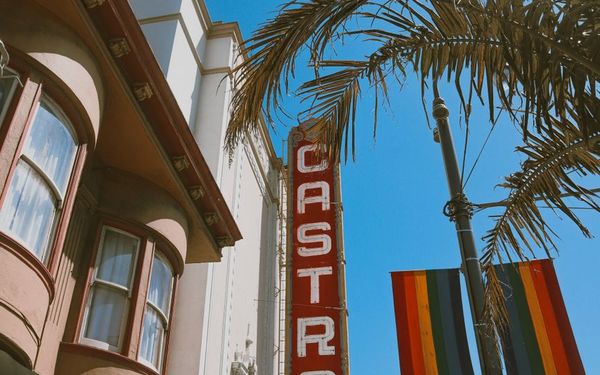
Harvey Milk and Proposition 6: The November 1978 Victory
In 1978 a California ballot measure would have forced queer teachers out of public schools. Harvey Milk fought it, and voters rejected it. What happened and what it has to do with Pride.
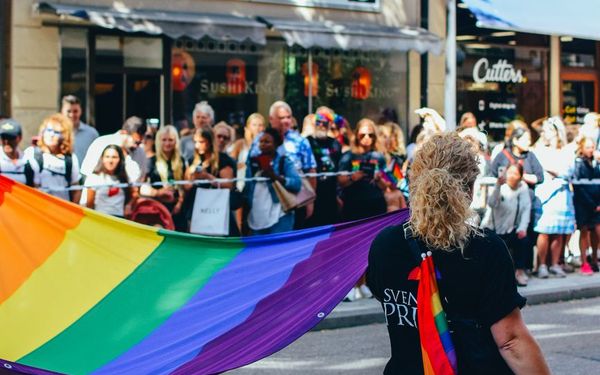
Brenda Howard and the Pride Week: Who Turned a Memorial March into a Tradition
After Stonewall, a march marked the anniversary in 1970, and later a whole week. Brenda Howard is named as one of the people behind it. What is documented and where the title Mother of Pride stays disputed.