

Hotels around Cúcuta
Tap the map for prices and availability.
About Cucuta
Cúcuta is the capital of Norte de Santander department and sits just a few kilometres from the Venezuelan border. Population projections from DANE, Colombia's statistics office, put the municipality at a little under 800,000 people. The border shapes the city, and its queer community too.
Like many Colombian cities, Cúcuta holds a Marcha del Orgullo. It falls within the national Pride season at the end of June or early July, when marches take place in many cities on the same Sunday. The meeting point and route change and are announced shortly beforehand by local groups and media. The march is much smaller than the big parades in Bogotá or Medellín.
Migration is a defining issue here. Many LGBTIQ people from Venezuela crossed the border and stayed in the city or the surrounding area. The organisation Caribe Afirmativo has published a report on their situation in Colombia's border regions. The pandemic made the work of local support groups even harder. Cúcuta is home to Fundación Censurados, an HIV and AIDS organisation that also supports Venezuelan migrants.
On paper, Colombia is one of the most progressive countries in Latin America. Same-sex couples can marry since the Constitutional Court opened marriage to them, and joint adoption is allowed. Trans people can change their name and gender marker on their ID, and besides F and M there is now a non-binary option. Homosexuality was decriminalised decades ago, gay and lesbian people may serve openly in the armed forces, and criminal law adds harsher penalties when a crime is motivated by the victim's sexual orientation.
Daily life does not always match the law. Organisations continue to report discrimination, especially against people who are vulnerable both as migrants and as queer people.
From the magazine
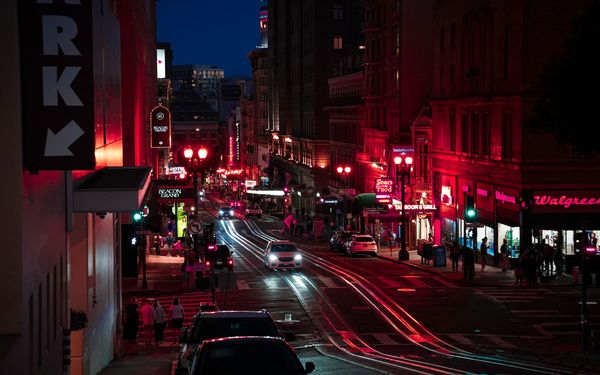
Compton's Cafeteria 1966: The Uprising That Began Three Years Before Stonewall
In August 1966, trans women and drag queens in a San Francisco cafeteria fought back against police harassment. What is documented, what is not, and why the story came back so late.
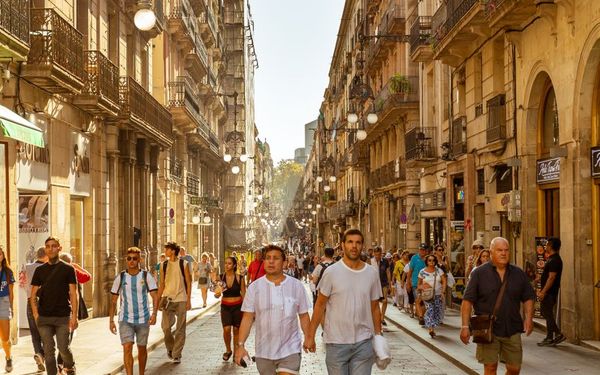
Barcelona 1977: Spain's First Pride March on La Rambla
On 26 June 1977, several thousand people marched without permission up La Rambla in Barcelona and demanded the end of a law that criminalised homosexuality. What happened and what came of it.
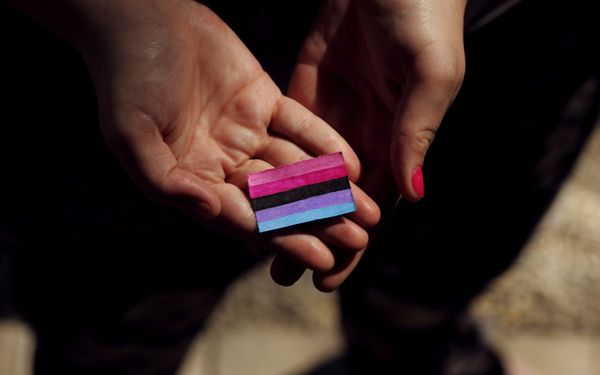
Bi Visibility Day and the Bi Flag: Where They Come From and What They Mean
23 September is Bi Visibility Day. Who started it, what the pink, purple and blue flag stands for, and how you can make bisexual people visible at Pride and in everyday life.